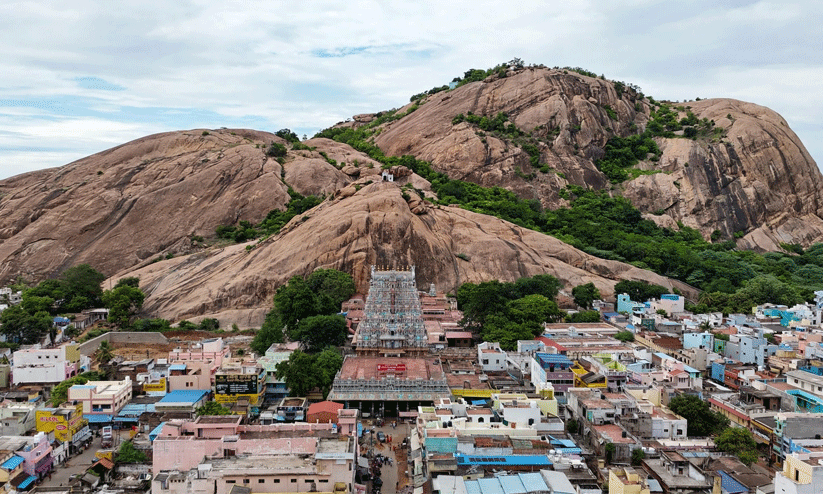
The Tiruparankundram hill has long stood as a site of profound significance, a landscape where faith and administrative oversight frequently intersect. As the festival of Karthigai Deepam approached, the question of whether a ceremonial lamp could be lit atop this landmark became a matter of intense legal scrutiny. The Karthigai Deepam, a festival deeply rooted in tradition, involves the lighting of a lamp to signify spiritual illumination. However, the path to this year’s observance, scheduled for November 24, was complicated by a series of conflicting judicial directives that threatened to leave the hilltop dark.
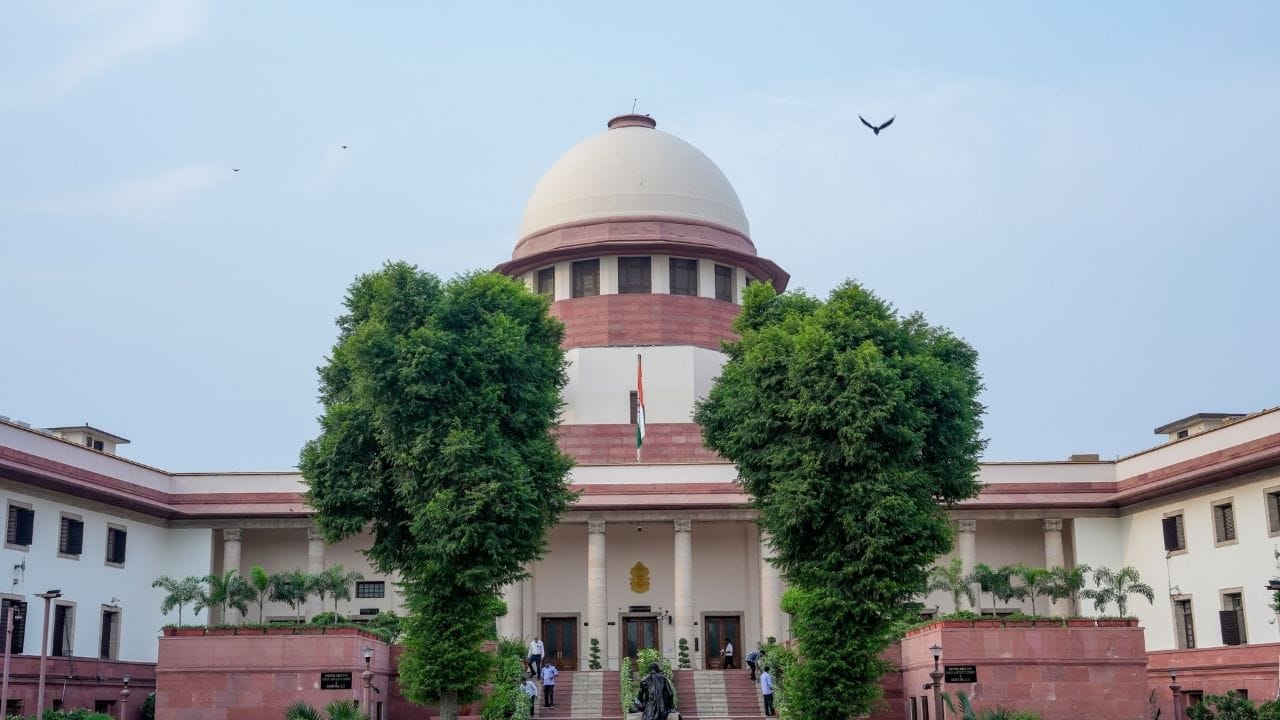
For a time, it appeared the ritual would proceed under the authority of a Madras High Court order. That permission, however, was met with a stay, effectively halting the plans and leaving the organizers in a state of uncertainty. The matter eventually ascended to the Supreme Court of India, the nation's highest judicial authority, which was tasked with reconciling the competing interests of religious tradition and the preservation of the site’s status quo. In a decisive interim order, the Supreme Court stepped in to break the deadlock, granting a one-time exception that would allow the lamp to be lit on November 24.
While the Supreme Court’s decision provides a path forward for the ritual, it is framed by rigorous constraints designed to prevent the event from becoming a flashpoint for broader disputes. The court was explicit: this permission is an isolated occurrence. It does not, in any legal sense, establish a precedent regarding traditional rights, land ownership, or the ultimate control of the hill. The order serves as a narrow bridge over a complex legal divide, ensuring the festival can occur without altering the underlying status of the land.
It does not, in any legal sense, establish a precedent regarding traditional rights, land ownership, or the ultimate control of the hill.
To ensure the order is carried out with precision, the court has mandated a highly restricted environment. Public access to the hilltop is strictly prohibited; instead, the ritual will be conducted by a limited team composed of temple and government officials. The entire process will fall under the direct supervision of the Madurai District Collector, who is charged with maintaining order and ensuring compliance with the court’s stipulations. Furthermore, the court has taken care to protect the existing religious harmony of the site, noting that worship at the Dargah and Mosque located on the hill must continue without any interruption. The final act of this administrative process will occur shortly after the festival, as the Collector is required to submit a comprehensive report to the court within three days of the event’s conclusion, closing the chapter on this year’s unique, one-time observance.