
Every year on May 1, France’s streets are filled with parades and speeches. The day is also a legal pause in the electoral calendar: the campaign trail shuts down the Friday before any vote. In 2027, the first round of the presidential election is slated for April 18, with a second round on May 2. The timing, approved by the executive, places the second round a day after the May 1 parades, a clash that Senator Gérard Larcher finds untenable.
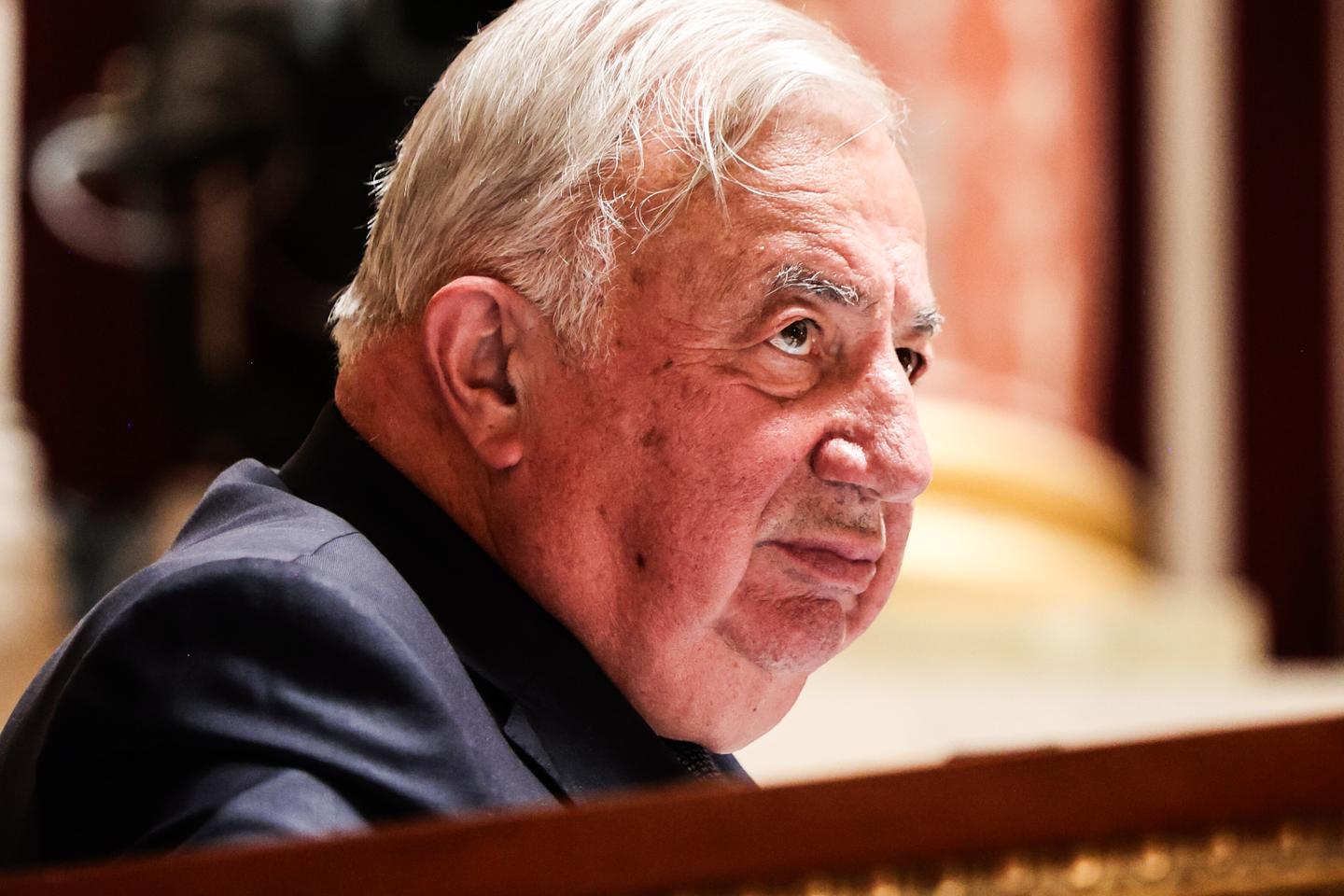
On BFMTV, Larcher said, “I made it clear … to the Prime Minister recently.” He argued that the current schedule conflicts with the May 1 Labor Day parades, which are a key moment for union and political expression. Larcher’s request is not a solitary one; he notes that he is “not the only one who has asked for it.” The call has found resonance among several political figures.
The French constitution mandates that the first round of a presidential election occur between 20 and 35 days before the end of the incumbent president’s term. With the current dates, the only viable alternatives that respect this window are April 11 or April 25. These dates would keep the election within the constitutional frame while sidestepping the May 1 conflict.
The government has until January 31 to publish the decree that would set new dates, a window that adds urgency to the debate.
Bruno Retailleau, a candidate from Les Républicains, has demanded the vote be advanced by a week, citing concerns that a second round on May 2 could trigger violence. The Rassemblement national party and Raphaël Glucksmann have also pressed for a change, with Glucksmann stating it would be “intelligent” to change the date.
The electoral code stipulates a campaign break that begins at midnight on the Friday before any vote. The government has until January 31 to publish the decree that would set new dates, a window that adds urgency to the debate.
Maud Bregeon, the government spokesperson, previously dismissed the idea of changing the dates, stating that they would not kneel before “delinquents” and “rioters.” Her comment underscores a broader governmental reluctance to alter the timetable.
The debate over the 2027 election dates reflects France’s struggle to balance democratic procedure with social stability. The May 1 parades and the presidential election are both significant events. A clash between the two could strain the social fabric.

As the deadline for the decree approaches, the political landscape remains tense. Larcher’s appeal has forced the government to confront the practical realities of holding a national vote amid a major public holiday. Whether the Prime Minister will heed the Senate’s request remains to be seen.