
Early Tuesday morning, November 24, 2026, the quiet street in Kulyunda, Altai Krai, was shaken by a domestic gas explosion. The force of the blast was significant enough to compromise the structural integrity of a multi-story residential building. The explosion triggered the collapse of the fourth and fifth floors in two separate sections of the building. In the immediate aftermath of the incident, authorities confirmed that one person died as a result of the disaster, highlighting the lethal potential of gas explosions in densely populated residential areas.
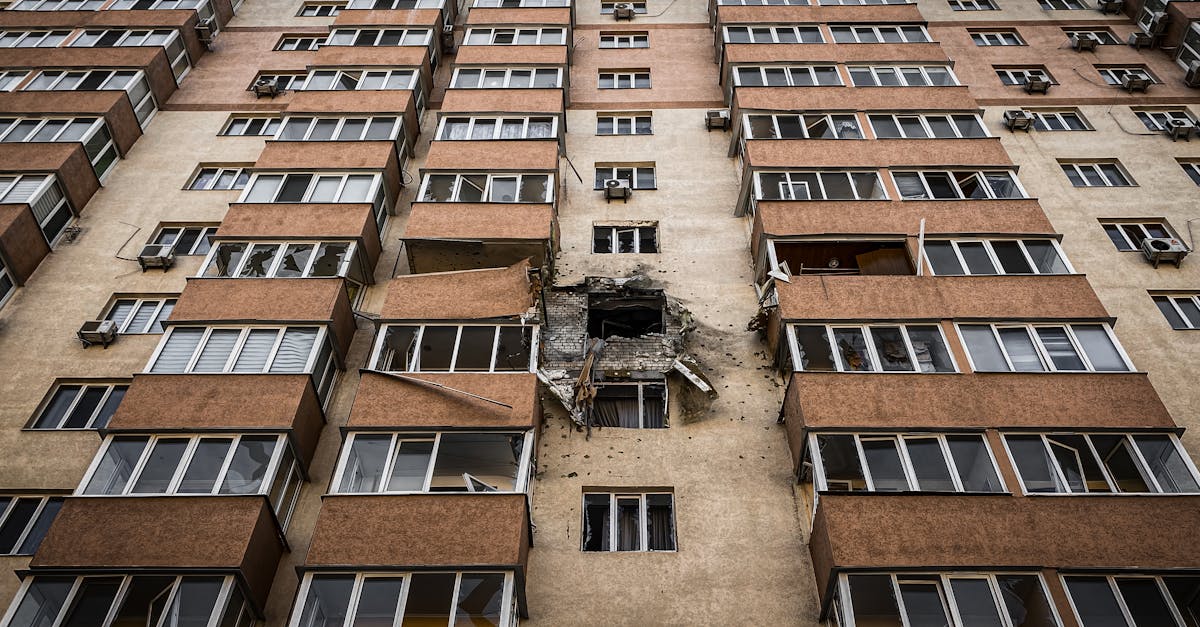
As the dust began to settle, the full weight of the state’s emergency response apparatus was deployed to the scene. Firefighters from the Main Directorate of EMERCOM, Russia’s federal ministry for civil defense and emergency situations, worked to extinguish the open burning that followed the initial explosion. The operation involved a substantial resource deployment, with a total of 89 emergency personnel on the ground. These specialists were supported by 19 units of equipment, ensuring that all necessary tools for rescue and containment were available. The response also included an airborne contingent and a dedicated operational group, indicating a coordinated effort that extended beyond the immediate local fire brigade to manage the complex logistics of the disaster site.
Beyond the initial structural collapse, there was the immediate threat of ongoing combustion. The firefighters focused on extinguishing the open burning to prevent the situation from worsening. Their efforts were concentrated and effective; by the time the initial operational reports were compiled, the fire had been localized to an area of 60 square meters. While this footprint might seem limited to an uninitiated observer, in the context of a collapsed multi-story building, containing the fire to this specific area was critical. It prevented the incident from evolving into a larger conflagration that could engulf surviving parts of the structure or spread to neighboring buildings, preserving the structural envelope and safety perimeter for ongoing operations.
A criminal case was initiated under Part 1 of Article 238 of the Russian Criminal Code.
As the immediate life-saving phase transitioned into the investigative stage, authorities did not leave the cause to speculation. A criminal case was initiated under Part 1 of Article 238 of the Russian Criminal Code. This specific legal provision concerns the provision of services that do not meet safety requirements for life and health. In practical terms, the state is asserting that a failure in the provision of services—likely related to gas infrastructure or building maintenance—created the conditions for this tragedy. This charge shifts the focus from a simple accidental event to a matter of institutional negligence, implying that responsible parties failed to maintain necessary safety standards. This legal track runs parallel to the physical rescue efforts, aiming to determine who allowed the gas leak to develop undetected.
Kulyunda is a community where a disaster of this magnitude affects the entire social fabric. The collapse of a local residential building is not a distant headline; it is a profound loss for neighbors and friends. The deployment of an airborne contingent and specialized equipment underscores the severity of the incident and the state's commitment to managing the aftermath. As the investigation into the causes of the explosion continues, the focus remains on understanding how such a catastrophic failure in service safety occurred, with the criminal case providing the legal framework for accountability. The incident serves as a stark reminder of the critical importance of infrastructure safety in residential areas.