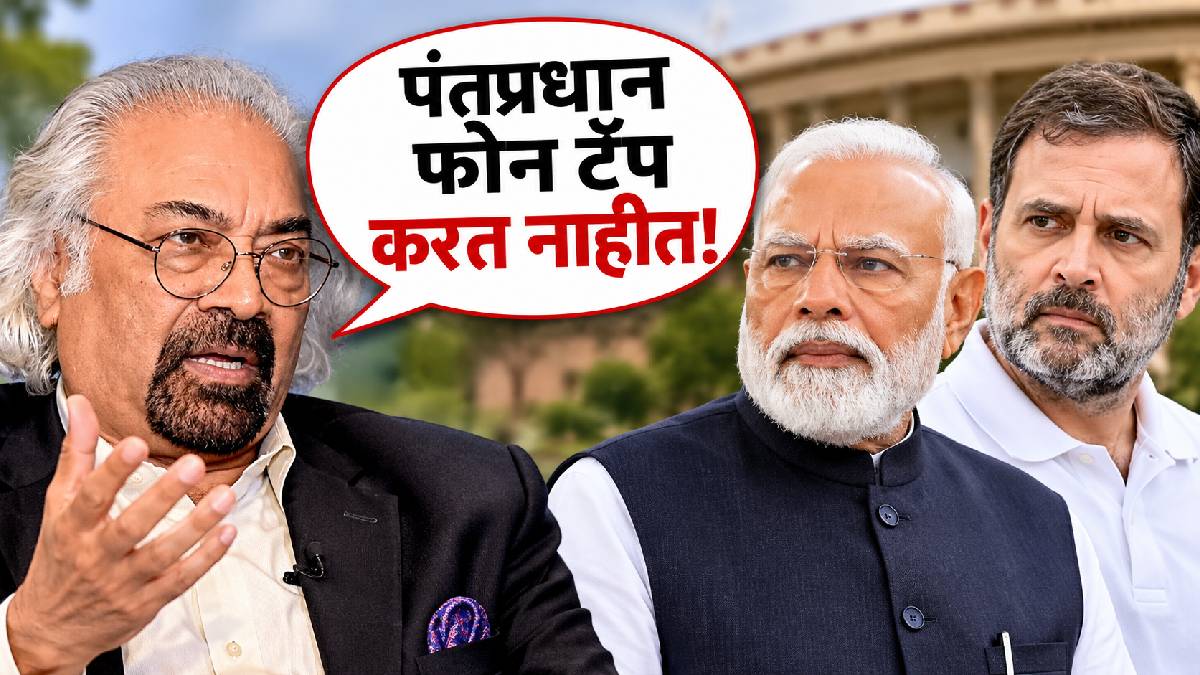
In the high-stakes theater of Indian politics, the battleground has shifted from the streets to the invisible architecture of the digital age. It is a realm of encrypted messages, bank ledgers, and the silent, unseen presence of surveillance. For Rahul Gandhi, a prominent leader of the Opposition, this is not a theoretical concern but a lived reality of state overreach. He has leveled a direct and serious allegation against Prime Minister Narendra Modi, claiming that the Prime Minister has been tapping his phone and monitoring his bank accounts.
This accusation, which carries the weight of a direct challenge to the central government's integrity, was accompanied by a demand for accountability: Gandhi has challenged Modi to a debate to address these claims of monitoring. It is a moment that places the sanctity of private communication at the center of a national political storm, suggesting a landscape where even the highest levels of political opposition feel the gaze of the state upon their most private transactions.
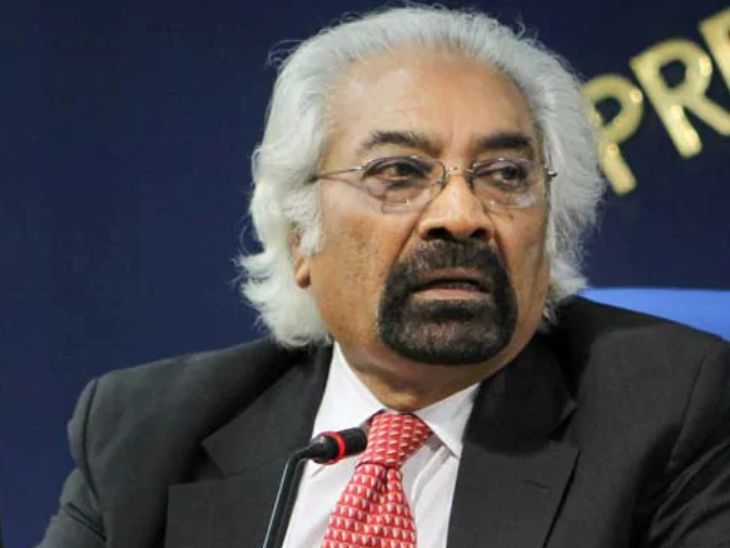
Yet, as the allegations from the Opposition grew louder, a surprising counter-narrative emerged from within the ranks of the Congress party. Sam Pitroda, a senior leader in the party, stepped into the fray not to bolster Gandhi’s claims, but to defend the Prime Minister. In an interview with a private channel, Pitroda offered a perspective that stood in contrast to the accusations being leveled by his own party's leadership.
The admission transformed the political allegation into a personal reality for one of the party's senior figures.
While Pitroda stood by the Prime Minister, his defense did not come from a place of perceived safety. In a revelation that added a layer of personal tension to the political debate, Pitroda confirmed that he, too, has been a target of these invisible forces. He admitted that his own phone has been tapped and that his bank accounts have been under surveillance.
This was not a mere suspicion; Pitroda noted that experts had even warned him about the reality of the tapping. The admission transformed the political allegation into a personal reality for one of the party's senior figures. The digital walls of his private life had been breached, a fact that would typically ignite a firestorm of political indignation and demands for an investigation into the perpetrators.
However, where one might expect a demand for justice or a finger pointed in accusation, Pitroda offered something far more enigmatic: a quiet acceptance. When pressed on the identity of those responsible for the monitoring of his communications and finances, he remained steadfastly silent. He refused to name the entity behind the surveillance, choosing instead to exist alongside the intrusion.
'Someone is doing it. I don't know. I am not worrying about that. I live with that. I have no problem,' Pitroda stated. It is a stance that is difficult to categorize—a blend of resignation and a refusal to let the surveillance dictate his psychological state. By stating that he has no problem with the monitoring, despite the expert warnings, he has created a strange paradox within the Congress party's response to the issue of state surveillance.
As it stands, the political landscape is defined by these two diverging paths. On one side, Rahul Gandhi seeks to bring the issue of digital monitoring into the light of public debate, framing it as a direct action by the Prime Minister and the central government. On the other, Sam Pitroda acknowledges the reality of the surveillance but separates the act from the person of the Prime Minister, even as he admits to being a victim of the very phenomenon Gandhi describes.
The tension between these two positions—one calling for a debate on the ethics of power, the other choosing to live unbothered in the shadow of the watcher—leaves the question of digital privacy in a state of profound uncertainty. The battle over who is watching, and why, continues to unfold in the silent spaces between phone calls and bank transfers.