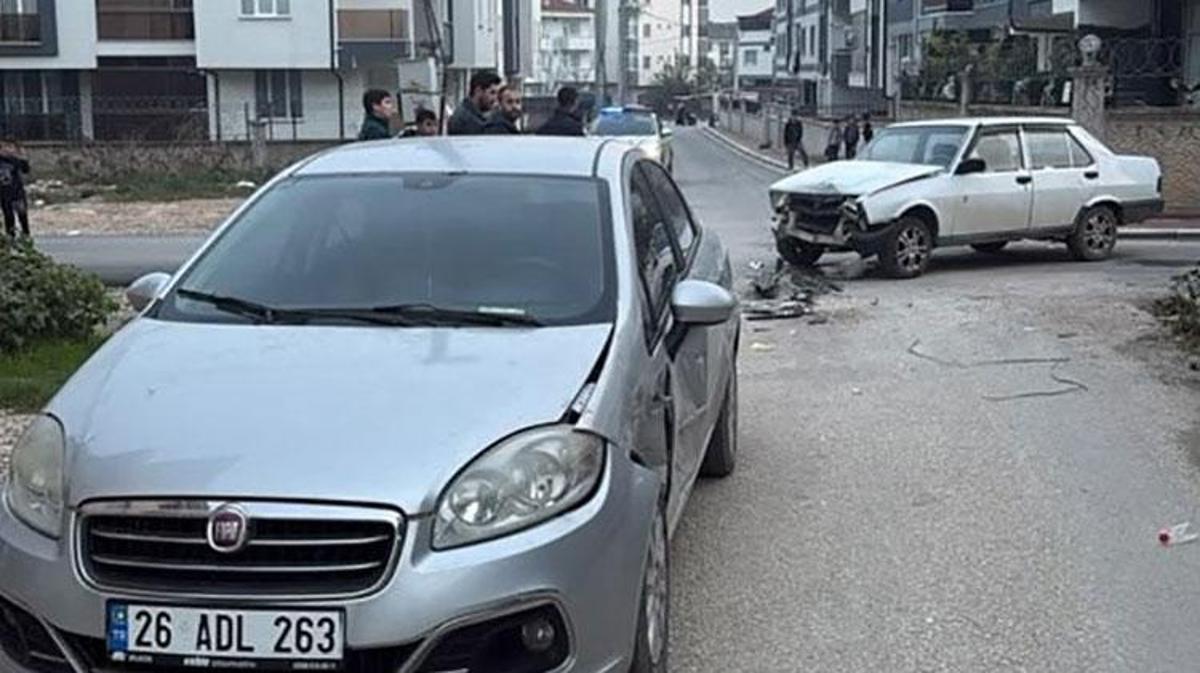
In İnegöl, Turkey, the ordinary rhythm of daily life was disrupted. At approximately 17:30, two automobiles met with devastating force at the intersection of İlbay Street and Süle Street in Yeni Mahalle. The impact was so severe that both vehicles were thrown from their positions, transforming a routine city intersection into a scene of emergency.
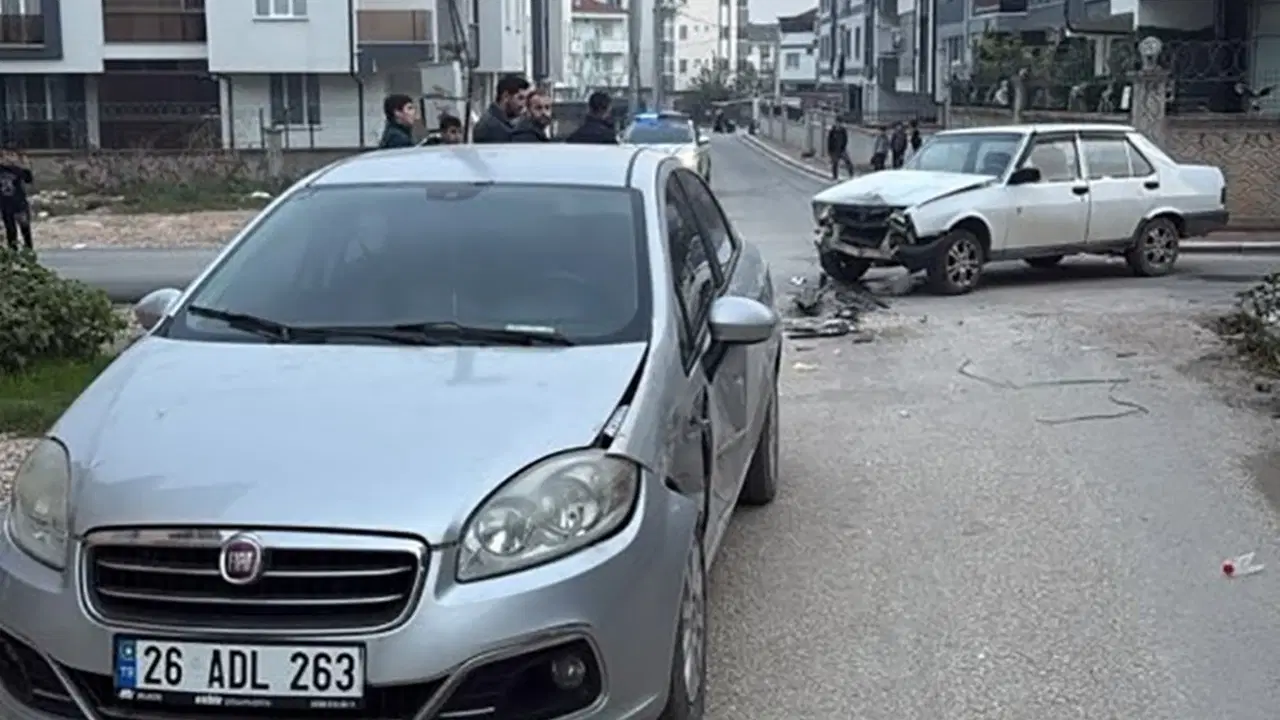
At the center of this unfolding tragedy were two drivers: Belgin T., a 35-year-old woman operating a vehicle with license plate 16 AV 050, and Mikail D., a 41-year-old man behind the wheel of car 26 ADL 263. Their paths converged with catastrophic consequences at what would later be described as an uncontrolled intersection—a detail that would become crucial to the police investigation that followed.
Belgin T.'s car carried more than just its driver. According to reports, her vehicle contained four passengers: two adult women and two young children. Among them were Eda G., aged 32, and P.T., who was 6 years old. The youngest victims included two 4-year-olds identified as A.T. and E.G., along with another child, E.G., who was 2 years old. This concentration of young passengers would amplify the stakes of the emergency response that followed.
This spontaneous response helped ensure that all seven victims received medical attention without delay.
When the dust settled from the collision, the human toll became clear: seven individuals had sustained injuries, four of them children. The victims included both drivers and all passengers from Belgin T.'s vehicle. The ages of the injured ranged from 2 to 41, representing a cross-section of the community suddenly united in trauma.
As emergency services made their way to the scene, ordinary citizens stepped into the breach. Bystanders, moved by the urgency of the situation, sprang into action, using their private vehicles to transport the injured to İnegöl State Hospital. This spontaneous response helped ensure that all seven victims received medical attention without delay.
In the aftermath of the collision, Turkish police launched a formal investigation to determine the precise circumstances leading to the crash. The focus would inevitably turn to the nature of the intersection where the vehicles met, with its uncontrolled status raising questions about visibility, right-of-way, and potential traffic safety deficiencies. The investigation would seek to answer whether this tragedy was the result of human error, mechanical failure, or dangerous road conditions.
News of the accident spread quickly through İnegöl. The collision, occurring during the transition from workday to evening, left residents grappling with the fragility of ordinary life. In neighborhoods where the victims lived, concern mingled with the community's response to the sudden nature of the accident.
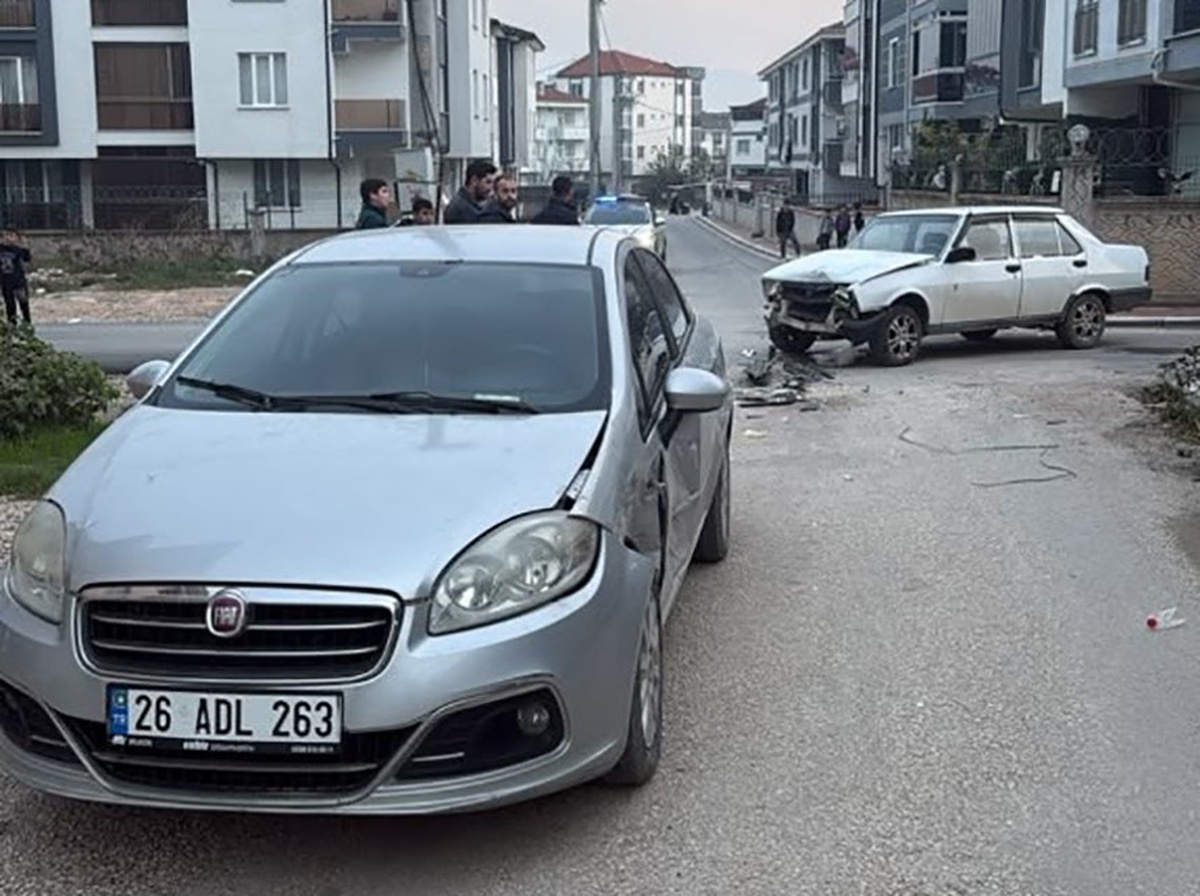
As the investigation continues, the victims of the İnegöl collision face a long road to recovery. The youngest among them, the 2-year-old and the two 4-year-olds, will require particular attention as they heal from physical trauma. For the community, the accident serves as a stark reminder of the importance of road safety, particularly at intersections where the absence of proper controls can transform a routine drive into a life-altering event.