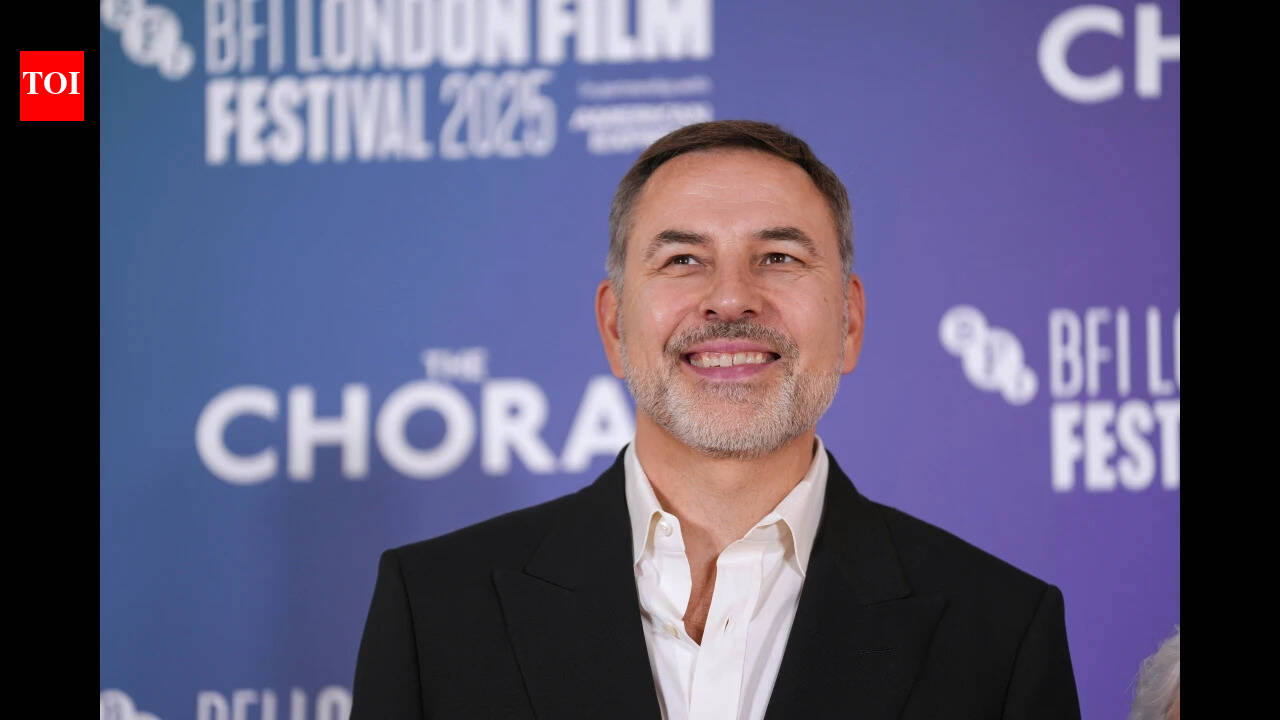
For many in Britain, David Walliams was a fixture of popular culture. From the wildly popular sketch show Little Britain to his successful career as a children’s author, he’d built a persona as a playful, often self-deprecating entertainer. But that image fractured in June 2023, when allegations of sexually inappropriate behavior began to surface, casting a shadow over his career and raising difficult questions about power dynamics and celebrity.

The first public sign of trouble came not from an exposé, but from a legal maneuver. Walliams, 55, attempted to secure a court injunction to prevent the media from naming him in connection with the accusations. His legal team argued that publication would cause “irreparable harm” to his mental health, even suggesting it could lead to suicide. This attempt to silence reporting, however, backfired. Justice Matthew Nicklin at the High Court rejected the injunction, stating that it would cause “an exceptionally serious interference” with media rights. The judge’s decision meant Walliams’ identity could be revealed, and the story, already brewing, was free to explode into public view. He did not appeal the ruling.
On Tuesday, June 6, 2023, ITV News and The Guardian published the results of a three-year investigation. Multiple women accused Walliams of using his fame to groom girls and young women for sex. One woman described an encounter when she was 15 years old as “sexual assault.” The accusations spanned a period dating back to 2003, encompassing his time as a television personality, a judge on the hugely popular Britain’s Got Talent, and his burgeoning career as an author.
The line between playful banter and predatory grooming, critics argued, was often blurred, and Walliams’s position of power complicated the dynamic.

BREAKING: Labour has today suspended David Walliams as a party member following the allegations of misconduct
Walliams vehemently denied all the allegations. “I am not a sexual predator,” he stated, adding, “I have not broken the law.” However, alongside his denial, he offered a carefully worded statement of regret. “Looking back, I realise that at times I behaved thoughtlessly towards other people I had casual sexual relationships with,” he wrote. This acknowledgement of “thoughtless” behavior, while not admitting to the specific accusations, sparked debate about the nature of his actions and whether it constituted an apology. The line between playful banter and predatory grooming, critics argued, was often blurred, and Walliams’s position of power complicated the dynamic.
The publication of the allegations had immediate consequences. Later that year, in November 2026, HarperCollins UK dropped Walliams as a publisher. Simultaneously, The Children’s Trust, a charity supporting children with disabilities, announced he was no longer an ambassador. A spokesperson for the charity stated, “After a review of our ambassador programme earlier in the year, David Walliams is no longer an ambassador of The Children’s Trust.” These decisions signaled a clear distancing from Walliams by organizations previously aligned with his public image. The speed and decisiveness of these actions underscored the severity with which the allegations were being taken.

Labour's celebrity wing is having a day. Breakfast: defending Miliband kissing-arse with a convicted rapist. Lunch: suspending David Walliams. Lucy Powell's excuse in 2015 was "you couldn't search things up". In 2026 they waited for the Guardian.
Adding another layer to the unfolding story, ITV aired an hour-long documentary at 10.50pm on Tuesday night. Produced by Eloise Swinton, the documentary delved deeper into the allegations, featuring interviews with the women who came forward and examining the context of Walliams’s behavior within the entertainment industry. The broadcast served as a platform for the accusers to share their stories and for the public to grapple with the complex issues raised by the case.
As of today, David Walliams continues to deny the allegations. The legal proceedings have concluded without further action, but the damage to his reputation is undeniable. The case has ignited a broader conversation in Britain about the privacy rights of public figures versus the public interest in reporting potential sexual misconduct. The accusations against Walliams serve as a stark reminder of the potential for abuse of power and the importance of holding individuals accountable for their actions, even – and perhaps especially – those in the public eye. His future in entertainment remains uncertain, overshadowed by the weight of these allegations and the ongoing scrutiny of his past behavior.