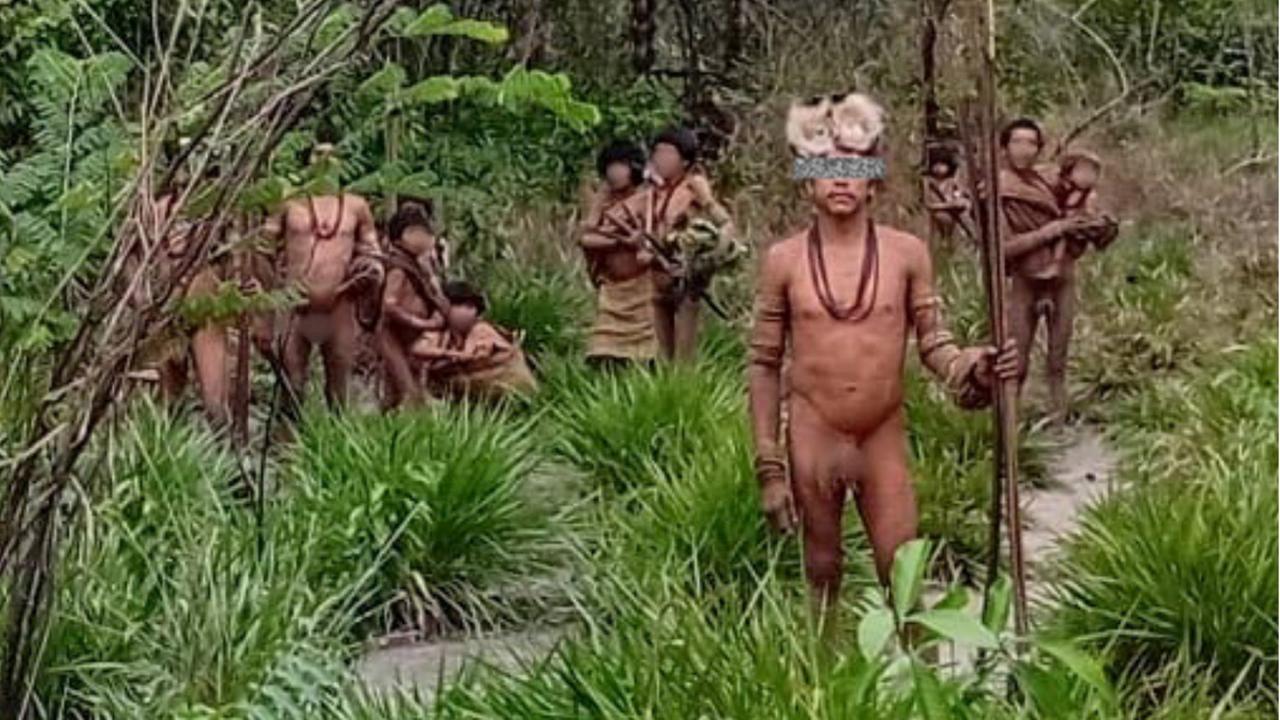
For generations, the Awá of Brazil’s Amazon rainforest existed in a state of deliberate separation from the wider world. They are hunter-gatherers, a lifestyle that requires vast, untouched stretches of forest to sustain a population of people who have historically avoided contact with outsiders. But in November 2026, that separation fractured. Approximately 20 members of the isolated group emerged from the green expanse to seek food in a nearby village. It was not a ritual exchange or a diplomatic gesture; it was an act of survival driven by hunger. In the context of indigenous rights, this specific moment is classified as a 'historical encounter'—the first time a group of isolated people has broken the boundary that has kept them hidden. For the Awá, this break is not a victory, but a symptom of a crisis so severe that staying in the forest is no longer possible.

The immediate trigger for this departure was a lack of food. The Awá are traditionally hunter-gatherers, relying on the forest for every meal. When that resource base fails, they have nowhere else to turn unless they cross the line into contact with non-indigenous communities. The move into a village to forage or trade for sustenance represents a profound shift in their cultural and biological existence. It is a last resort, a signal that the internal economy of the forest can no longer support the people living within it.
This pressure is not accidental; it is the result of sustained external encroachment. The Awá territory is under siege by loggers, hunters, and cattle ranchers who are pushing into their lands. These actors do not view the forest as a protected space for indigenous life but as a resource to be extracted. The presence of these outsiders fragments the habitat, drives away the game the Awá depend on, and creates a chaotic border zone that makes the forest dangerous and food-scarce. The critical stance toward these groups is clear: their activities are the direct cause of the hunger that forced the Awá into the village. The invasion of their territory is not a border dispute but an existential threat to a people who have lived in isolation for centuries.
The consequences of this retreat extend beyond geography into health and safety.
As the external pressure mounts, the Awá are being forced into a shrinking area of the rainforest. This geographic compression is a key dynamic in the story. The forest that once provided a buffer of safety and resources is becoming a smaller and smaller pocket of habitable land. The group is retreating inward, or rather, being pushed into a corner, surrounded by what one observer described as 'destruction.' This phrase captures the environmental toll of the encroachment: the clearing of trees, the loss of biodiversity, and the degradation of the ecosystem that supports the Awá way of life. The shrinking forest is not just a loss of land; it is a loss of the very means of survival.
The consequences of this retreat extend beyond geography into health and safety. Contact with outsiders is a major concern for isolated indigenous groups. Historically, such encounters have often led to the spread of diseases like influenza, measles, or tuberculosis, against which isolated communities have little immunity. The 20 members who entered the village in November 2026 face a heightened risk of contracting these illnesses and bringing them back to the rest of the Awá population, who remain in the forest. This biological vulnerability makes the 'historical encounter' not just a cultural event but a potential health crisis. The act of seeking food becomes an act of exposure, forcing a choice between the immediate danger of starvation and the long-term danger of disease.
Caroline Pearce, speaking on the situation, described the Awá as having to retreat into an 'ever-shrinking area in the rainforest, surrounded by destruction.' Her words highlight the inescapable nature of the dilemma. There is no safe middle ground. If they stay, the forest continues to shrink and the food supply continues to dwindle. If they leave, they face the health risks of contact. The term 'surrounded by destruction' emphasizes that the external environment is no longer neutral; it is actively hostile, a space defined by the loss of trees and the intrusion of those who do not respect indigenous rights. The Awá are not merely adapting to change; they are being eroded by it.
Survival International, an organization that advocates for isolated and tribal peoples, characterized the encounter as 'a worrying sign.' This assessment reflects the broader trend observed in the Amazon, where external pressures are increasingly driving isolated groups into contact. The 'worrying' nature of the sign lies in its implication: the mechanisms that protected the Awá in the past are failing. The isolation that once shielded them from disease and cultural disruption is now breaking down under the weight of economic expansion and environmental degradation. The 20 people who walked into the village are not just individuals; they are harbingers of a shift that could impact the entire group and potentially other isolated communities facing similar pressures.
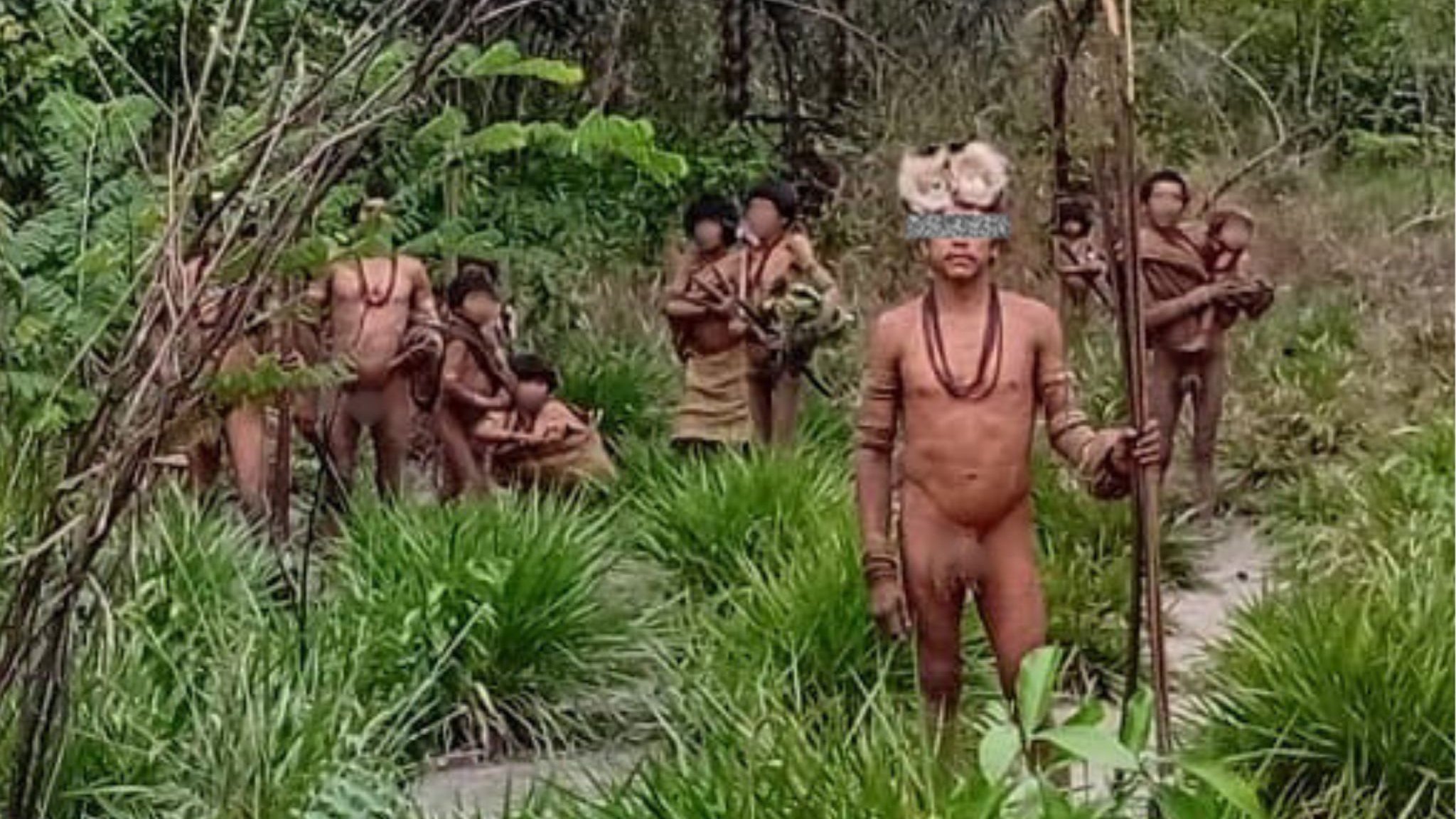
The situation stands now as a critical inflection point. The Awá have already made the move into the village, breaking the barrier of isolation. The shrinking forest and the surrounding destruction continue to press in. The hunger that drove them out may be temporary, but the structural causes—loggers, hunters, and ranchers encroaching on their territory—remain unresolved. As the 'historical encounter' unfolds, the focus turns to whether the international and national attention it generates can translate into protection for the remaining Awá in the forest. For now, the narrative is one of retreat and survival, a story where the last safe space is diminishing, and the cost of leaving it is high.