
For any global financial institution, the integrity of its internal records is the bedrock of its reputation. On November 17, 2026, that bedrock was shaken by a massive data leak. Millions of internal documents from Deutsche Bank, Germany’s largest lender, have been exposed, providing an unprecedented look into the inner workings of a financial giant. The leak has triggered immediate market anxiety, with the bank’s stock reacting negatively in pre-market trading on the same day the news broke. At the heart of the controversy are allegations that the bank repeatedly prioritized the pursuit of wealthy and influential clients over the rigorous application of safety protocols.
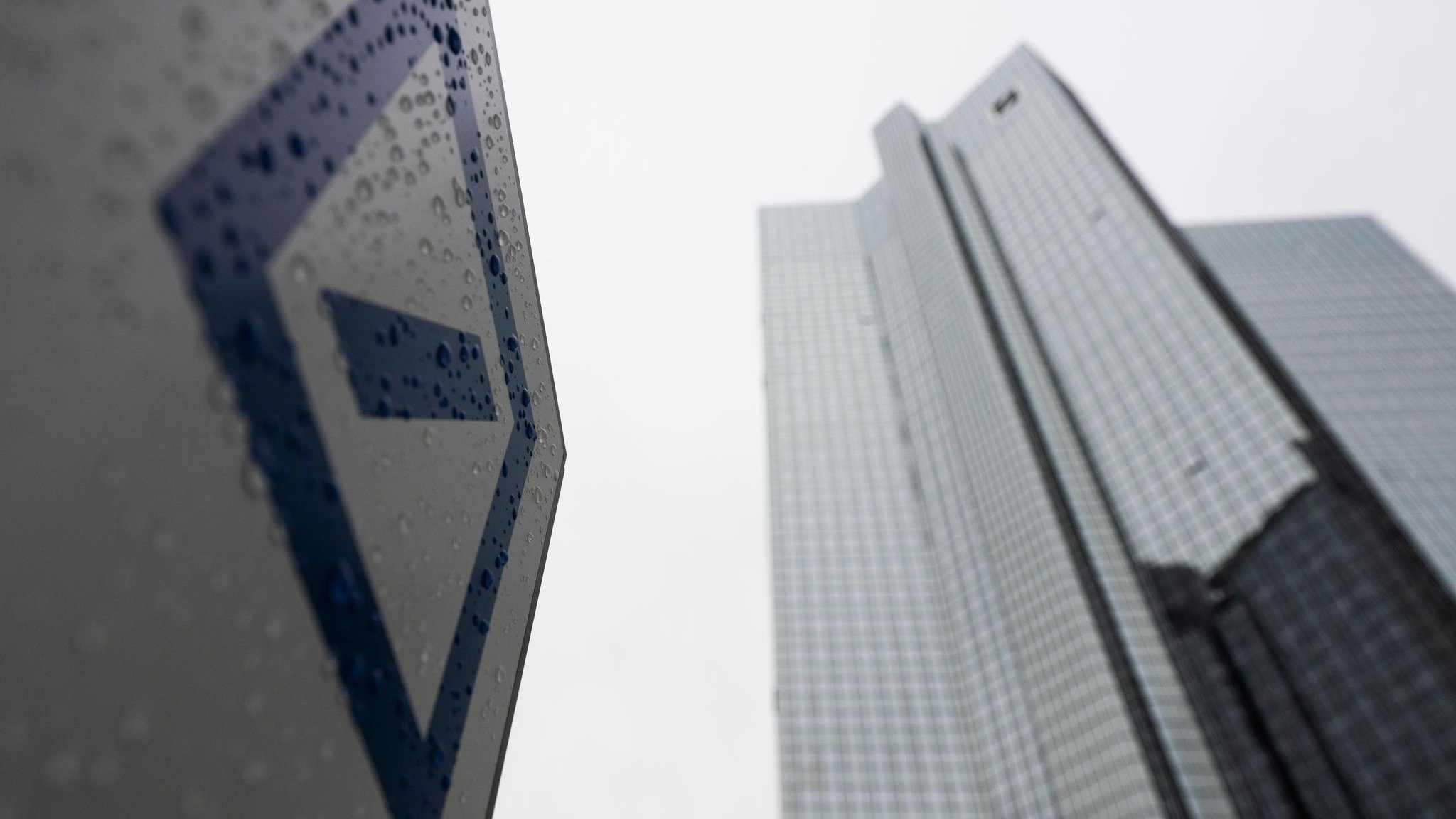
At the core of the investigative reports published by ZDF frontal and Spiegel is a troubling pattern: the systematic sidelining of internal warnings. According to these reports, the bank frequently ignored red flags raised by its own experts regarding potential money laundering, corruption, and sanctions violations. Spiegel reported that, in an effort to cut costs and ensure that internal compliance checks did not hinder the activities of its traders, the bank often bypassed the necessary strictness required by law. ZDF frontal summarized the situation, stating that internal warnings were "frequently ignored to continue problematic business or to acquire new clients."

How was it possible for Deutsche Bank to become so dysfunctional? Our journalists have combed through millions of documents and found hidden losses, secret payments to a Qatari royal and how the lender accidentally leaked Donald Trump’s tax records https://t.co/GTwCCIB9mo https://t.co/hDesX4sRS0
Central to this narrative is the concept of "Know Your Customer," or KYC. These are the mandatory statutory guidelines designed to prevent banks from being used as conduits for illicit funds. KYC requires institutions to verify the identity of their clients and understand the nature of their business. However, the leaked documents suggest that these rules were not always applied with the necessary rigor. By relaxing these standards, the bank allegedly opened its doors to a high-risk clientele, including convicted criminals, Russian oligarchs, and fraudsters. The documents also reveal that the bank’s reach extended to controversial figures, with new details emerging regarding business relationships with convicted sex offender Jeffrey Epstein and US President Donald Trump.
Furthermore, the bank reportedly developed complex, controversial tax planning models specifically tailored for its wealthiest clients.
Beyond the individual client relationships, the leaked materials paint a picture of a bank with a global strategy that often collided with geopolitical reality. The documents indicate that Deutsche Bank aimed to expand its Russian business operations shortly before the war in Ukraine began. Furthermore, the bank reportedly developed complex, controversial tax planning models specifically tailored for its wealthiest clients. These revelations suggest an institution that was willing to push the boundaries of risk to maintain its competitive edge in lucrative, yet volatile, markets.

Deutsche Bank shares drop after reports on mass data leak ➡️ https://t.co/KpaOKLDHuz https://t.co/1Xc9HVGY1R
Deutsche Bank’s response to these revelations has been to draw a sharp line between its past and its present. In a statement issued on November 17, 2026, the bank argued that the events highlighted in the reports are not reflective of its current operations. "The facts that are the focus of the media reports date back many years, in some cases even two decades," the bank stated. They emphasize that the institution has undergone a fundamental transformation under the leadership of CEO Christian Sewing, who assumed office on April 1, 2018.
To support its claim of a "fundamental transformation," the bank points to a massive investment in its own infrastructure. Between 2019 and 2025, Deutsche Bank invested seven billion euros specifically to strengthen its internal controls. The bank maintains that this capital injection was not merely a technical upgrade but a strategic pivot to ensure compliance and security. "Through all of this, we are today a different, stronger, and safer bank," the institution asserted.

JUST IN: Deutsche Bank took on Jeffrey Epstein in 2013 years after his conviction, leaked files show. Whistleblowers gave more than 15 million files to over 50 newsrooms in the largest known bank leak. The bank later flagged about $600 million in suspicious transactions tied to Epstein.
Despite these assurances, the bank continues to navigate a difficult landscape. While the leadership insists that the culture of the bank has changed, the institution has faced repeated searches in recent years related to ongoing money laundering allegations. As the fallout from the latest data leak continues to unfold, the tension between the bank’s narrative of reform and the reality of its documented history remains the central challenge for the firm. For now, the market and the public are left to weigh the bank’s multi-billion-euro investment in safety against the millions of pages of evidence that suggest a much more complicated past.
