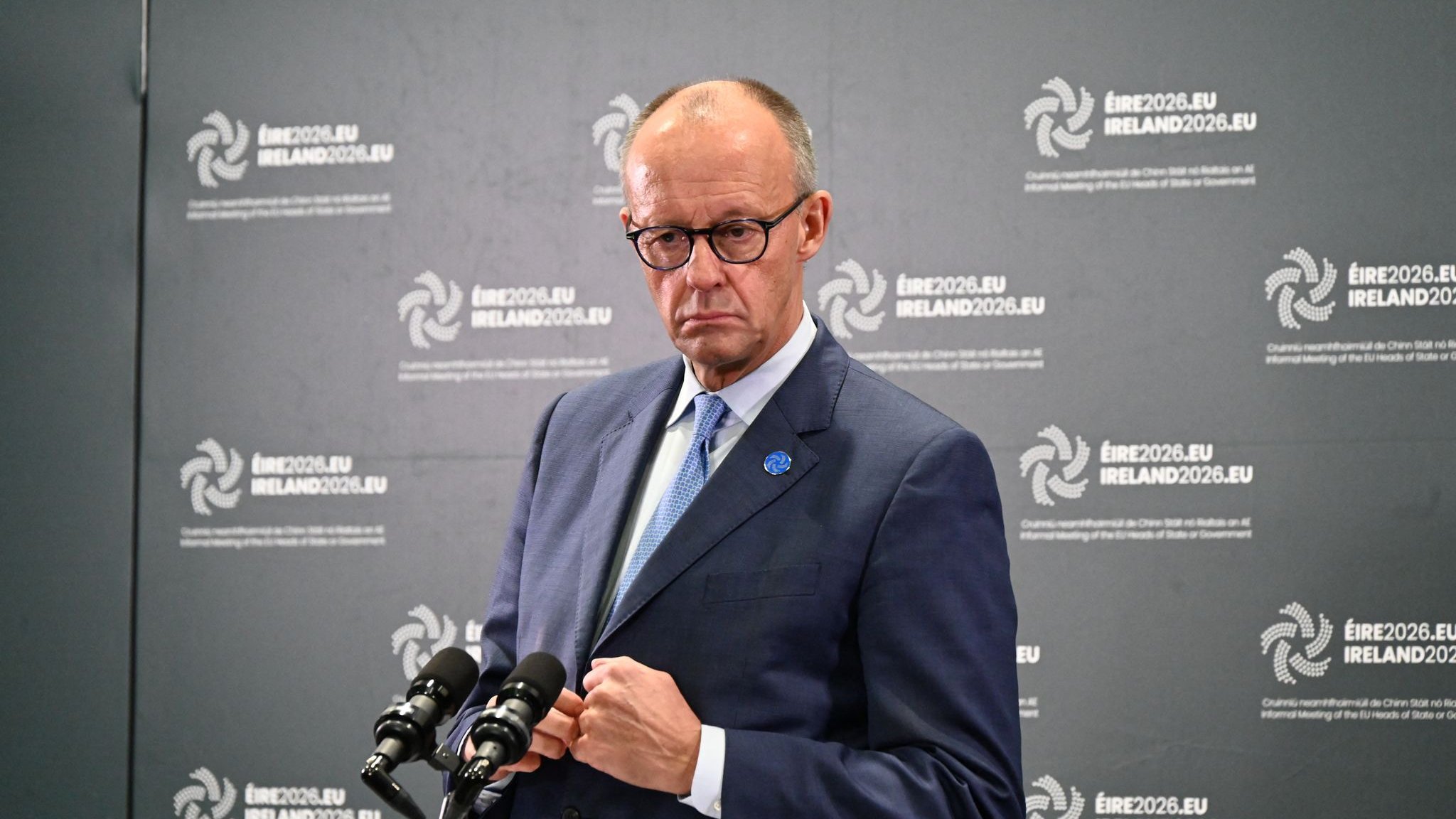
On November 13, as leaders gathered in Dublin for an informal European Union summit, the air was thick with a specific, historical anxiety. German Chancellor Friedrich Merz, speaking to the press before the sessions began, articulated a fear that has been quietly circulating through the halls of European power: that the coming peace negotiations regarding the Russian-Ukrainian war might mirror the past. Merz explicitly invoked the specter of a "second Anchorage moment," a reference to the previous summit between U.S. President Donald Trump and Russian President Vladimir Putin. For European leaders, that earlier encounter remains a cautionary tale of what happens when major powers negotiate behind the backs of their allies, potentially trading regional stability for bilateral convenience.
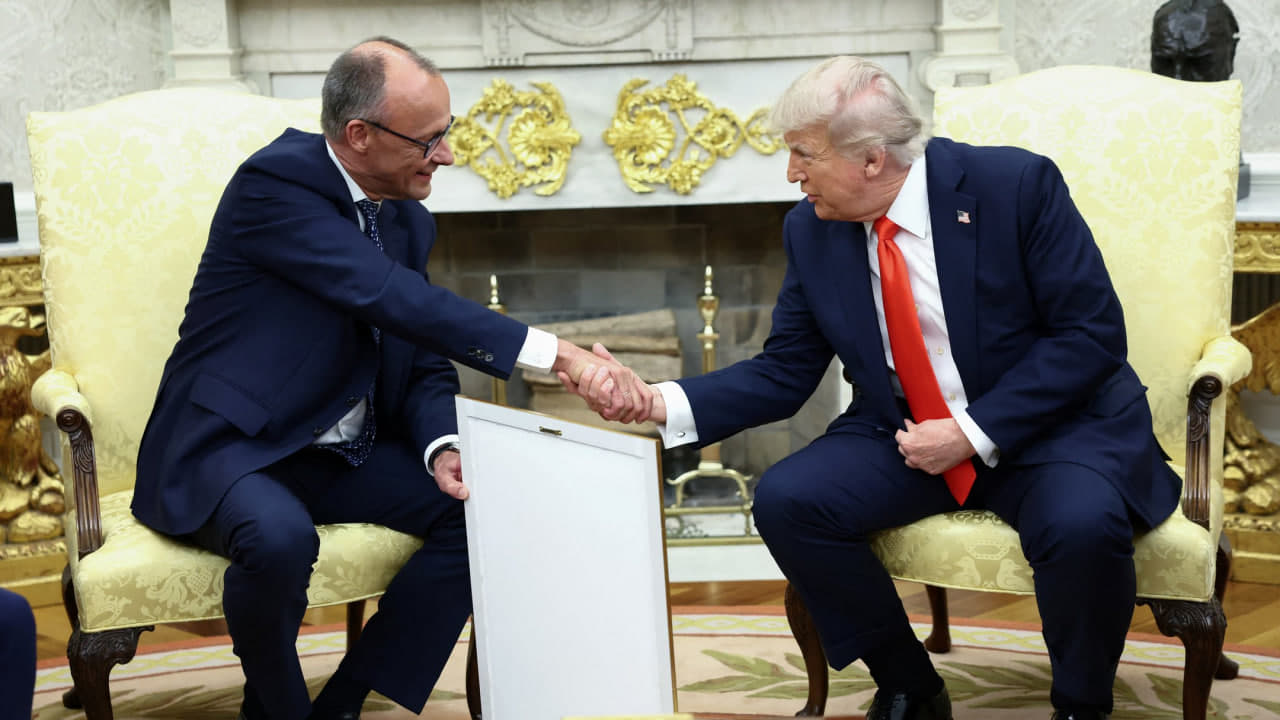
Chancellor Merz’s message to Washington was both a request and a firm directive. Standing in Dublin, he urged the United States to avoid any "surprises" as the diplomatic landscape shifts. His plea was rooted in the necessity of maintaining a unified front. "I want to state our message to the United States very clearly: please, no surprises. Continue to act as part of 'Team Europe' and 'Team Ukraine'," Merz stated. This emphasis on "Team Europe" and "Team Ukraine" serves as a reminder that the war is not merely a bilateral dispute between Moscow and Washington, but a conflict that fundamentally reshapes the security architecture of the entire European continent.
The urgency of Merz’s comments was underscored by the timing of global diplomatic movements. On the same day as the Dublin summit, reports confirmed that representatives from the United States and Russia had been holding meetings in Abu Dhabi. These discussions, while opaque, have signaled that the gears of negotiation are turning, even if the direction remains unclear. U.S. special envoy Steve Witkoff has already confirmed that a subsequent meeting of negotiating teams is being planned, signaling that the process is moving from preliminary contact toward a more formal stage.
These discussions, while opaque, have signaled that the gears of negotiation are turning, even if the direction remains unclear.
One of the few points of optimism for the European bloc is the degree to which they have managed to insert themselves into this evolving process. Ukrainian President Volodymyr Zelensky has noted that the American side successfully facilitated the inclusion of European representatives in the negotiation framework. This inclusion is vital for Kyiv, which views the presence of its European partners as a safeguard against being sidelined in a "grand bargain" between the world’s nuclear superpowers.
Beyond the logistics of who sits at the table, the substance of the negotiations remains a point of intense contention. Russia has reportedly pushed to prioritize a new European security architecture in the talks—a move that Merz and other European leaders firmly reject. The argument from the German side is that the security architecture of Europe is not a blank slate waiting to be drawn by Moscow; it already exists through the framework of NATO. Merz argued that the focus of any future discussions must be narrowed to a singular, critical objective: "In what framework can Ukraine's security be guaranteed after peace is achieved?"
The diplomatic tension is further complicated by the prospect of a planned summit between Trump and Putin in China. Merz has cautioned the U.S. President against taking unilateral actions during these discussions, fearing that a lack of coordination could lead to a repeat of past diplomatic missteps. The situation is so volatile that reports suggest the summit itself remains at risk of being cancelled. As the international community watches, the message from Berlin is clear: the era of unilateral diplomacy is a luxury that the current security climate cannot afford. Whether the U.S. will heed this warning, or whether the "surprises" Merz fears will become reality, remains the central question as the world moves toward a new, uncertain phase of the war.