On the slopes of Tiruparankundram hill in Madurai, a stone pillar stands at a point of intense religious tension. For decades, the community has debated where the sacred lamp for Kartheeka Deepam should be lit: at the lower Uchippillaiyar temple or on the upper stone pillar, which sits in close proximity to a Muslim dargah. This is not merely a logistical question of where to place a wick; it is a symbolic contest over space, sanctity, and historical precedence on a hill that holds deep significance for devotees of Lord Murugan. For the faithful, the lighting of the lamp is a ritual act of profound spiritual weight, and for the state, the location of that act becomes a matter of public order and administrative control. The dispute had simmered for years, a friction point where religious observance met the machinery of government enforcement.
The conflict escalated into a legal crisis on 20 November 2026, when the Supreme Court issued an order regarding the lighting of the Deepam. The court’s directive was clear, but it was met with what the judges described as a refusal to comply by state officials. This standstill transformed a local religious disagreement into a matter of constitutional gravity. In Indian law, the Supreme Court is the final arbiter of legal disputes, and its orders are binding on all entities, including the state government and its police forces. When officials ignore such an order, they are not just refusing a religious request; they are challenging the authority of the highest court in the land, a act that carries serious legal and political consequences.
In response to the failure to honor the 20 November order, the Supreme Court moved decisively. The court issued contempt notices to a high-profile list of individuals: the Chief Secretary, the Director General of Police (DGP), and 13 other officials. The act of issuing these notices is a formal step toward holding these individuals in contempt of court, a legal sanction that can lead to fines or even imprisonment for defying a judicial directive. This was not a minor reprimand; it was a public declaration that the chain of command in the state had failed to respect the judiciary’s authority. Furthermore, the court took the extraordinary step of suspending the temple’s trustee board. The trusteeship, which is normally the governing body responsible for the temple’s administration and rituals, was removed from its usual administrators. The court intervened directly into the temple's governance structure, a move that signals a complete breakdown of trust in the local administration's ability to manage the situation neutrally.
The Supreme Court’s investigation into the 20 November standstill did not stop at issuing notices.
To ensure the new order was followed, the Supreme Court did not simply hand the temple back to the suspended trustees. Instead, it placed the temple’s administration in the hands of two retired High Court judges. This is a standard legal mechanism for neutralizing a dispute with the potential for communal or political bias. By appointing retired judges, the court creates an independent body of administrators who are not subject to the pressure of the state government or the political leadership. These two judges are now responsible for the day-to-day operations of the temple, including the critical task of ensuring the Deepam is lit exactly as the court has ordered. This judicial takeover is a sign that the court views the situation as too volatile to be managed by any party that might be seen as having a political or local stake in the outcome.
The Supreme Court’s investigation into the 20 November standstill did not stop at issuing notices. The court demanded that the state government provide call records and government correspondence related to the incident. This is a powerful move for a court to make. By requesting internal communications and call logs, the judges are looking for evidence of whether the officials who ignored the order did so of their own accord, or if they were acting on political directives from higher up the chain. In a country where the line between the state and the ruling party can be blurry, the court is asking for a forensic accounting of the decision-making process that led to the defiance of its own order. This investigation aims to uncover if there was a systematic effort to subvert the judiciary's authority in favor of a political narrative.
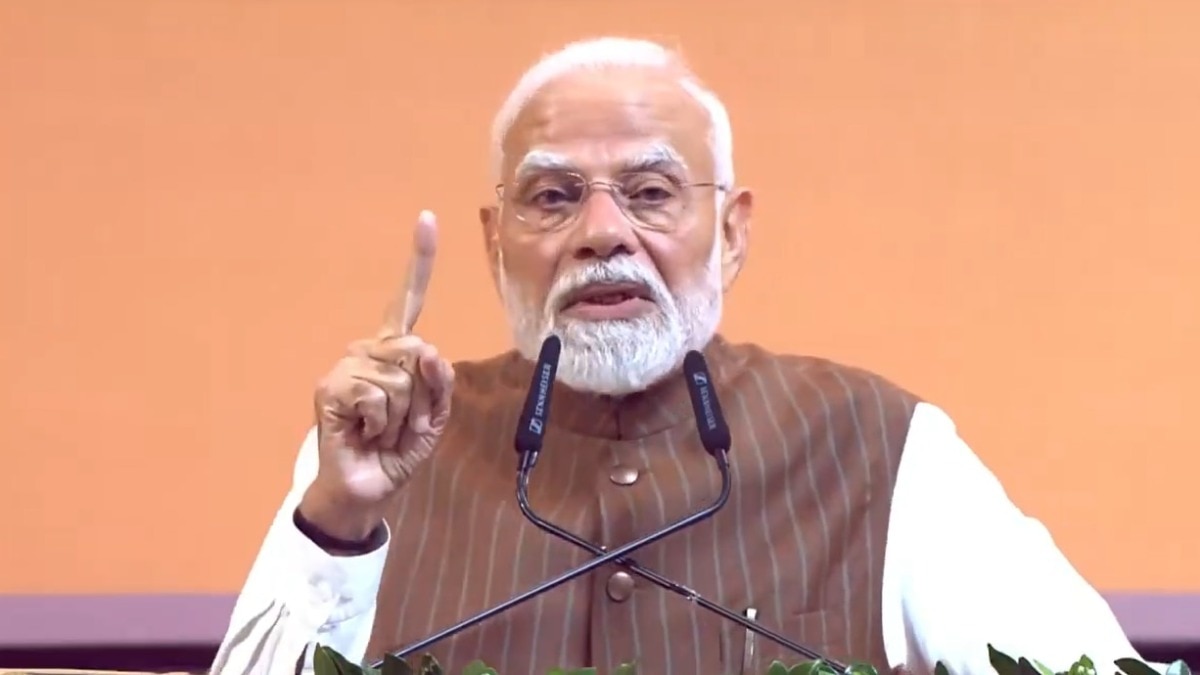
Hours after the Supreme Court’s strong-arming orders and the suspension of the temple board, Prime Minister Narendra Modi entered the public discourse. He shared a post on the social media platform X, honoring Lord Murugan. The post featured the Tamil devotional chant 'Vetrivel Muruganukku Arohar!' and a message declaring 'Victory to Lord Muruga'. The timing of this post, immediately following a major judicial intervention in a religious dispute, drew significant attention. However, a closer look at the content reveals a strategic choice. The post celebrated the deity and the religious sentiment of the event but did not explicitly mention the court orders, the contempt notices, or the disputed pillar. The framing was entirely devotional, focusing on the spiritual aspect of the Deepam rather than the legal battle over its location. This allowed the Prime Minister to align himself with the sentiment of the devotees while avoiding a direct comment on the court’s findings or the administration’s failure.
As of the current moment, the temple is under the direct administration of the two retired High Court judges. The 13 officials, the Chief Secretary, and the DGP are all under the threat of contempt proceedings for their actions on 20 November. The Supreme Court has now ordered that the Kartheeka Deepam be lit on the pillar on the 24th of November. The dispute, which began as a local question of where to place a lamp, has evolved into a national legal and political case study in the relationship between the judiciary, the executive, and religious communities. The court has established its control over the immediate situation, but the underlying questions about who directs state action and how religious spaces are managed in India remain unresolved, waiting for the lamp to be lit on Saturday.