
The Anti-Mafia Investigative Directorate (DIA), Italy’s specialized agency tasked with dismantling organized crime, finds itself at the center of a digital mystery. In recent days, the agency has been forced to pivot from its usual focus on criminal syndicates to an internal, urgent investigation: a suspected cyberattack that could potentially expose sensitive state information. While the agency has not yet issued an official confirmation that its systems were compromised, the digital underworld is already buzzing with claims that suggest a significant breach of security.
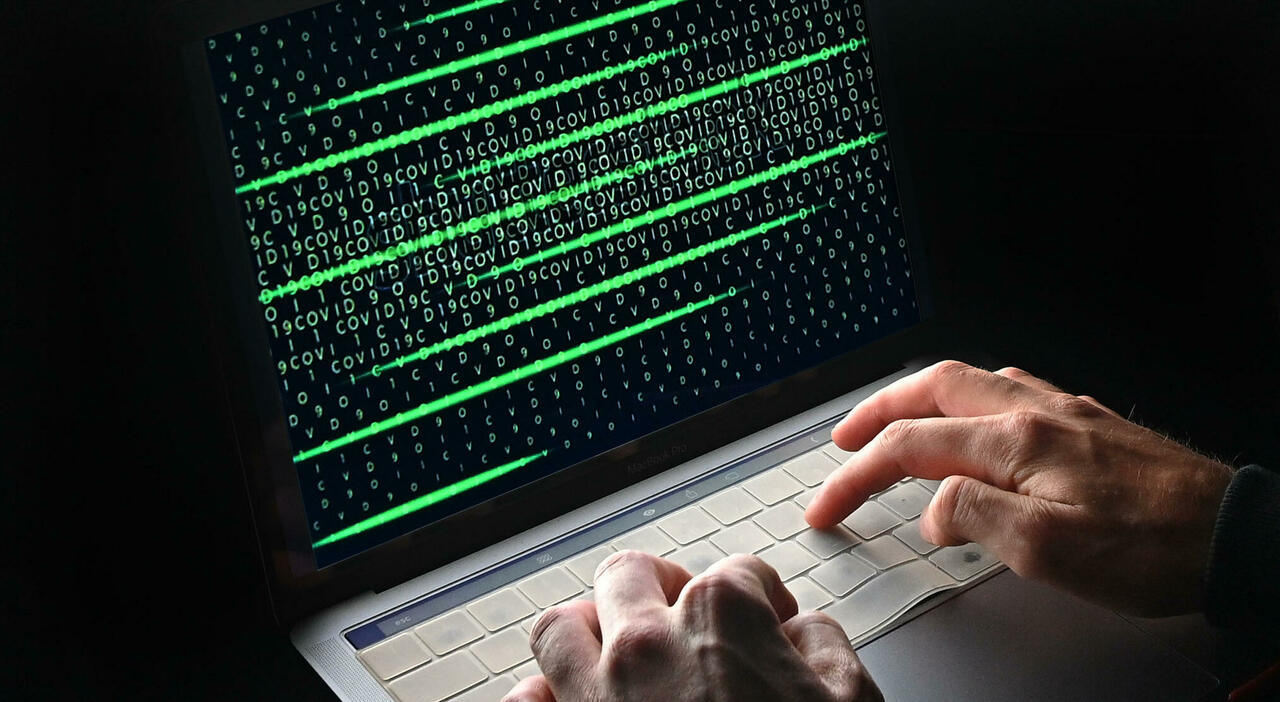
The suspicion stems from a listing on the dark web, the hidden portion of the internet often used for illicit transactions. A user operating under the pseudonym 'weykofa' has surfaced, claiming to possess a cache of stolen data allegedly siphoned from the DIA’s own databases. The archive, according to the seller, consists of over 300 files, totaling approximately 220 megabytes of information. For an agency that handles the most delicate intelligence regarding Italy’s criminal underworld, the mere existence of such a claim is a matter of grave concern, prompting immediate technical verifications to determine the authenticity of the files and the extent of the potential intrusion.
This incident does not exist in a vacuum; it arrives amid a broader, unsettling trend of cyber-hostility across the European continent. In recent times, a wave of coordinated cyberattacks has targeted a diverse array of critical infrastructure, including supermarket chains, major airlines, educational institutions, and complex transport systems. These attacks have served as a stark reminder of the vulnerability of modern institutions to digital disruption. The timing of this suspected breach is particularly notable, occurring as European authorities prepare for an upcoming police summit. The proximity of these events has led observers to consider whether the DIA incident is part of a larger, orchestrated campaign designed to test or embarrass European security apparatuses.
These attacks have served as a stark reminder of the vulnerability of modern institutions to digital disruption.
As the DIA continues its technical audit, the situation remains in a state of fragile uncertainty. There is a profound gap between the claims made by 'weykofa' and the reality of the agency’s internal security status. Until the investigators complete their review, it remains unclear whether the files being offered for sale are genuine intelligence or a sophisticated bluff designed to capitalize on the agency’s reputation. For now, the DIA remains in a defensive posture, working to secure its digital perimeter while the public waits to see if this is a genuine breach of state secrets or merely the latest shadow play in the dark web’s ecosystem of misinformation.