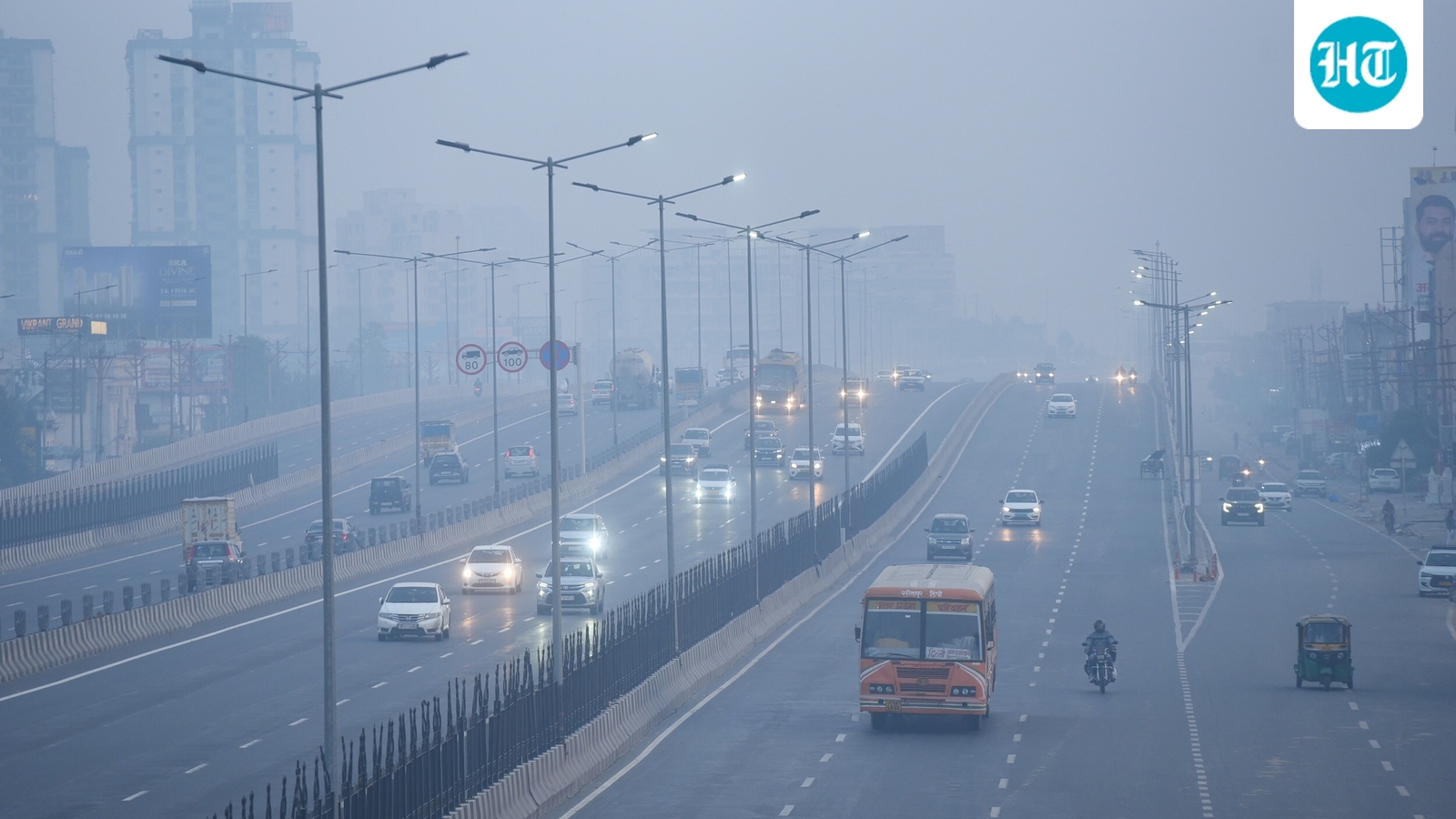
The morning bell at schools across Delhi and the National Capital Region now rings differently for children up to fifth grade. This is the new reality imposed by Stage III of the Graded Response Action Plan, an emergency measure activated on November 6, 2026, as air pollution in one of the world's most polluted metropolitan areas reached dangerous levels.
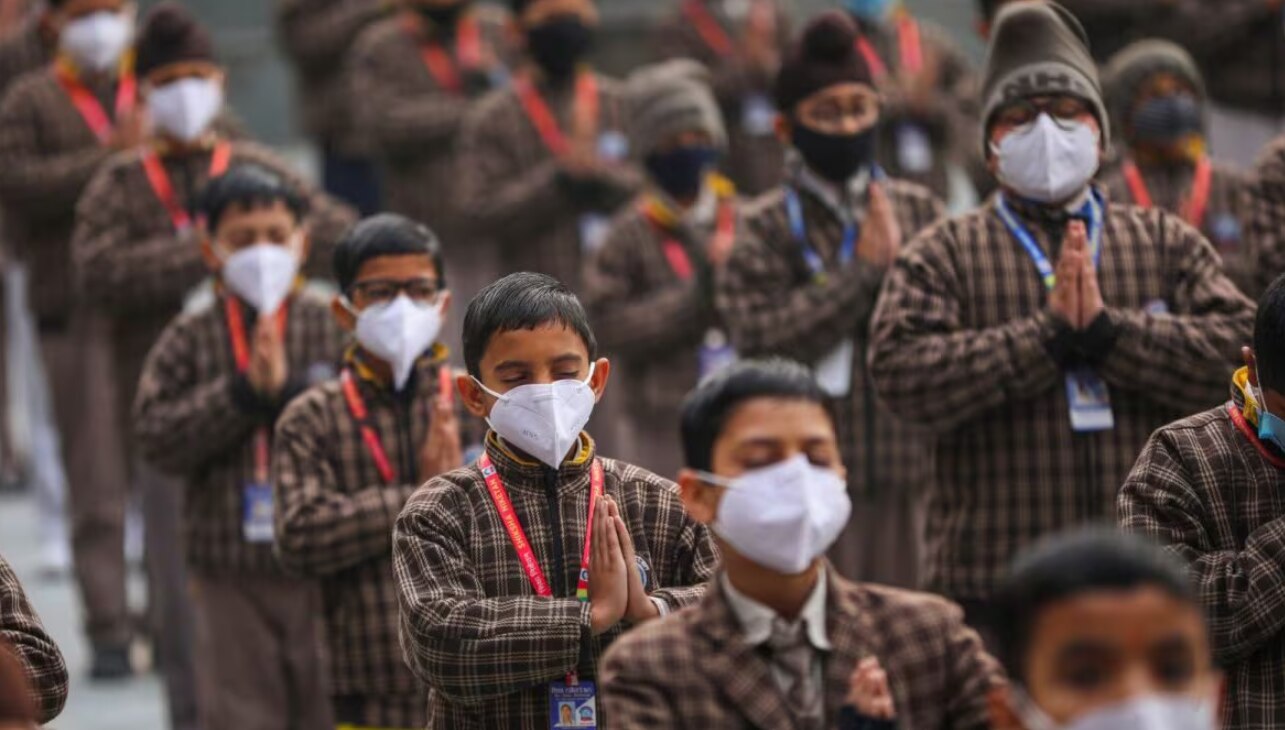
The Graded Response Action Plan represents India's systematic approach to combating air pollution. Think of it as a tiered emergency response system, with each stage triggering increasingly stringent measures as air quality deteriorates. Stage III represents a significant escalation, indicating pollution has crossed severe thresholds and requires substantial intervention to protect public health, particularly vulnerable populations like children.
On November 7, 2026, District Basic Education Officer Rahul Pawar issued a directive that transformed the educational landscape for young students. Schools in Gautam Buddha Nagar—which includes Noida and Greater Noida—were ordered to implement hybrid learning models for children up to Class 5. This means while school buildings remain physically open, institutions must provide viable online learning options wherever feasible. The directive applies comprehensively, covering government schools, aided institutions, and recognized private schools.
Education officials recognize the critical importance of in-person learning for young children's social and cognitive development.
Gautam Buddha Nagar is not alone in this educational pivot. The directive extends across six districts total: Delhi itself, plus five neighboring National Capital Region districts—Ghaziabad, Gurugram, Faridabad, and Sonipat. This coordinated response reflects the regional nature of the pollution crisis, which doesn't respect administrative boundaries. The blanket approach ensures consistent protection for young students across these areas.
The decision to maintain physical school presence while mandating online options represents a careful balancing act. Education officials recognize the critical importance of in-person learning for young children's social and cognitive development. Yet they also acknowledge the well-documented health risks of exposing children to severely polluted air. The hybrid model attempts to mitigate these risks while preserving educational continuity.
School administrators have faced significant operational challenges in implementing this sudden shift. Teachers have had to rapidly develop dual-capability lesson plans that work equally well in physical and virtual environments. Many families have struggled with inconsistent internet access or lack of appropriate devices for remote learning. Despite these hurdles, the education department has emphasized compliance, viewing this as a necessary public health intervention.
As the winter season progresses—traditionally when air quality in Delhi-NCR reaches its worst—the effectiveness of these measures will be closely watched. The hybrid learning mandate represents one of the most substantial educational adaptations to air pollution in the region's history. Whether it will become a standard seasonal practice or remain an emergency measure remains to be seen. For now, it stands as a testament to the lengths authorities will go to protect children's health while attempting to preserve their education in an increasingly challenging environment.