
The recent diplomatic tit‑for‑tat between Iran and Argentina is not merely a contemporary spat but a continuation of a bitter conflict spanning three decades. At its heart lies the unresolved question of responsibility for two devastating attacks that struck Buenos Aires in the early 1990s, killing 29 people in one and 85 in the other. These attacks have cast a long shadow over relations between the two nations, culminating in the latest exchange of designations that has pushed their already strained ties to a breaking point.
The first major incident occurred on March 17, 1992, when a bomb destroyed the Israeli Embassy in Buenos Aires, killing 29 people.
Two years later, on July 18, 1994, a far more devastating attack targeted the AMIA Jewish community center in Buenos Aires. The bombing killed 85 people and injured many more, making it one of the most tragic events in recent Argentine history. Hezbollah was held responsible for this bombing, and Argentine officials have linked the attack to Iran’s alleged support.
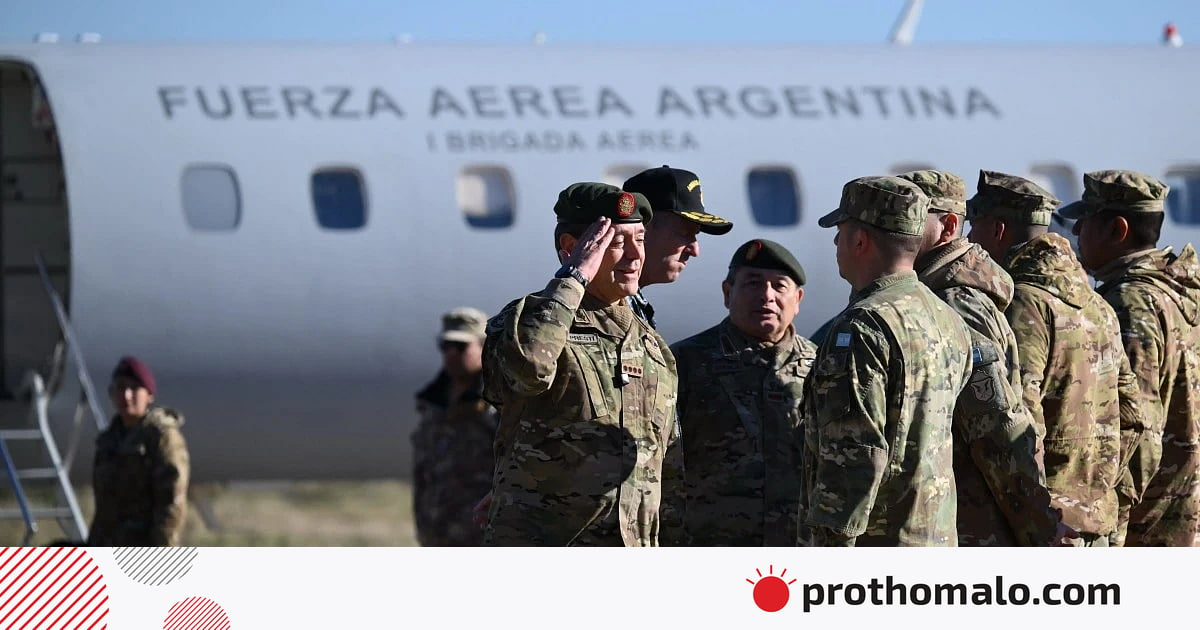
In response, Iran designated Argentina’s navy and air force as terrorist organizations on May 10, 2023.
Argentina designated the Islamic Revolutionary Guard Corps (IRGC) as a terrorist organization on April 1, 2023. The decision was linked to Iran’s alleged role in both the 1992 embassy bombing and the 1994 AMIA attack.
In response, Iran designated Argentina’s navy and air force as terrorist organizations on May 10, 2023. Tehran framed this as a reciprocal action based on a 2019 Iranian law that permits countermeasures against countries supporting the U.S. designation of the IRGC as a terrorist organization. The Iranian statement characterized Argentina’s action as a hostile violation of international law and warned that Argentina would bear responsibility for any consequences.
Iran’s designation carries legal weight under its 2019 legislation. According to the Iranian Foreign Ministry, the Argentine Navy and the Argentine Air Force are subject to the provisions of the aforementioned law and are hereby designated as terrorist organizations. The government explicitly warned that Argentina bears full responsibility for all consequences arising from this reciprocal action.
Iran’s designation excluded the Argentine army, suggesting a calculated approach to the reciprocal action. While the full reasoning behind this selective targeting is not detailed, it may reflect an assessment of which branches would be most impacted or an attempt to keep diplomatic channels open through the army.

The exchange of designations represents a dangerous escalation in already fraught relations between the two countries. Argentina’s decision to label the IRGC a terrorist organization was a significant step in its decades‑long pursuit of justice for the 1992 and 1994 attacks. Iran’s reciprocal designation demonstrates its willingness to use diplomatic tools to defend what it views as an affront to its national institutions and sovereignty. As both countries dig in their positions, the cycle of recrimination shows little sign of abating, leaving the victims of the 1990s attacks still waiting for resolution as their governments engage in this high‑stakes diplomatic confrontation.