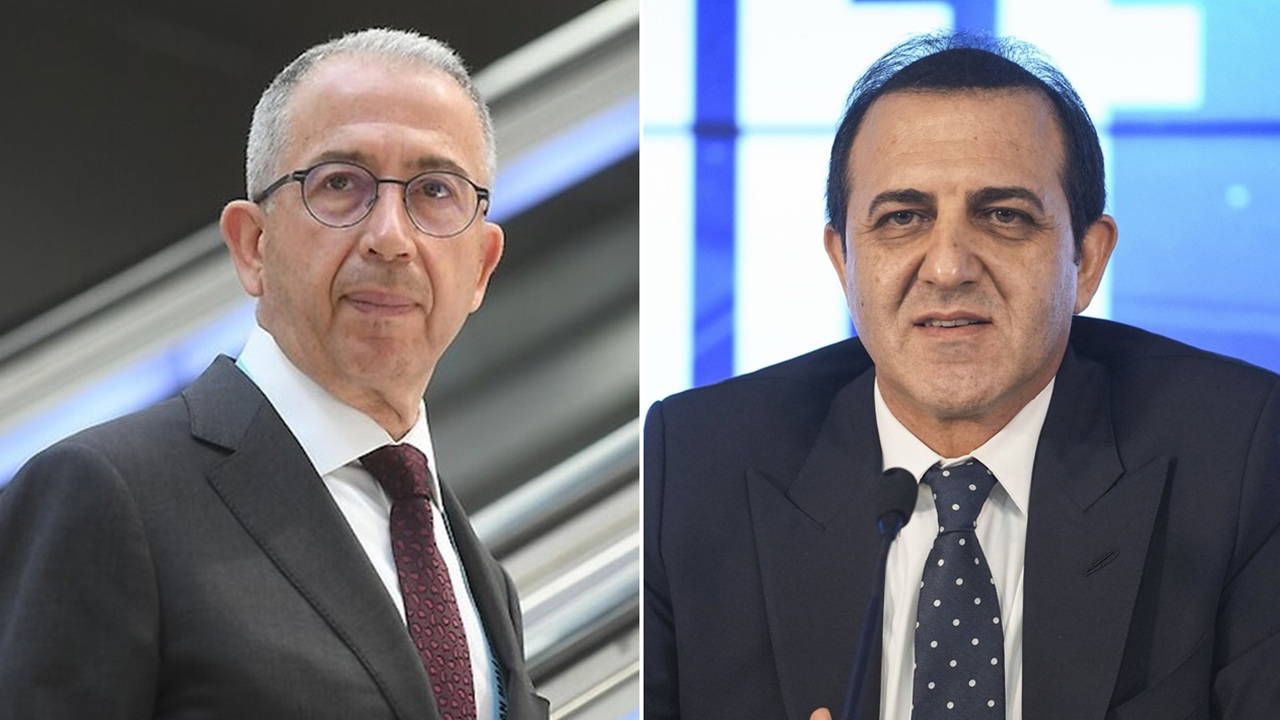
For a long-time supporter of Galatasaray Sports Club, the notification of executive departures usually arrives with a quiet sense of finality. It is a standard procedure in the high-stakes world of Turkish football administration, where the churn of power is often as predictable as the tides along the Bosphorus. Yet, on November 13, 2026, the rhythm broke. The club did not release a single consolidated memo regarding its leadership changes. Instead, it issued two distinct, separate statements, each carrying the same formal weight and a similar tone of polite gratitude. The result is a day that stands out in the recent administrative history of one of Turkey’s most prominent institutions, a day where the club’s inner circle quietly thinned without the public spectacle of public feuds or dramatic press conferences.
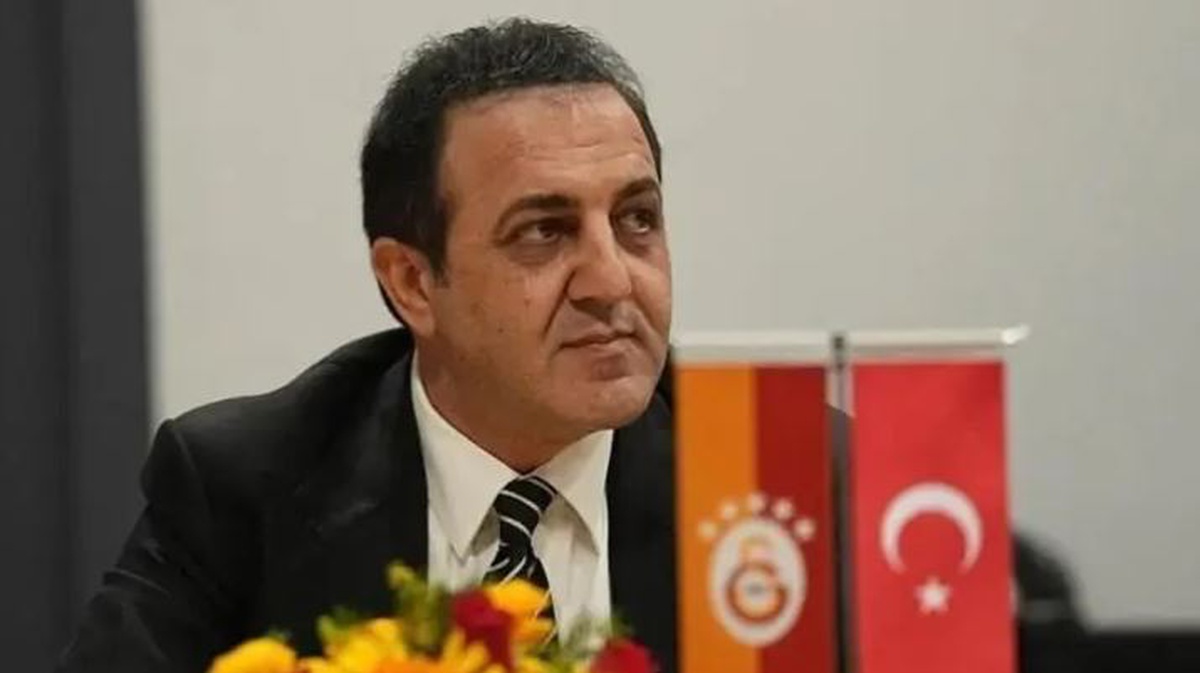
The first of the two statements to reach the public confirmed the resignation of Metin Öztürk. At the time of his departure, Öztürk held the title of Second Vice President, a role that places him firmly within the upper echelon of the club’s governance structure. By confirming his exit, Galatasaray closed a chapter on Öztürk’s tenure. The statement was careful to maintain a dignified tone. There was no mention of discord, internal conflict, or performance reviews. Instead, the club focused on what has been referred to as “labor and contributions.” This phrasing is significant. In the lexicon of corporate and club governance, thanking an outgoing official for their “effort” serves a dual purpose. It publicly acknowledges the work done to preserve the organization’s stability while simultaneously signaling that the relationship has concluded on mutually respectful terms. For Öztürk, this public affirmation allowed him to step away from the Second Vice President’s duties with his reputation intact, a rare commodity in the often-turbulent landscape of major sports clubs.
Shortly after the news of Öztürk’s departure became public, a second announcement followed. This time, the subject was Abdullah Kavukçu, a member of the Board of Directors. The timing of this second statement was crucial. The structure of the statement mirrored the first almost perfectly. It identified Kavukçu’s specific role as a Board of Directors member and immediately transitioned into a message of thanks. The repetition of the specific language—gratitude for hard work and contributions—reinforced the club’s official stance that these resignations were amicable. It was a deliberate rhetorical choice to present the departures as a natural evolution rather than a crisis. For a board member like Kavukçu, the public record would now reflect a tenure marked by service and a departure marked by institutional respect. There were no counter-narratives in these official releases, no leaked memos, and no hints at the personal reasons that might have driven either individual to step down. The silence on the “why” is as telling as the facts of the “who” and “when.”
By keeping the messaging tight, the club prevented the media from framing these resignations as evidence of a deeper systemic failure.
The most striking aspect of the November 13 announcements is the absolute neutrality of the club’s voice. Galatasaray, known for its passionate and sometimes volatile public image, adopted a tone of bureaucratic calm. The statements did not speculate on the impact these exits might have on the team’s performance, nor did they hint at any power vacuum that needed to be filled. They were strictly informational. This neutrality is a protective measure. In the Turkish sports press, where rumors often outpace facts, a neutral official statement acts as a firewall against sensationalism. By keeping the messaging tight, the club prevented the media from framing these resignations as evidence of a deeper systemic failure. It treated two significant leadership losses as administrative updates, manageable and expected. This approach suggests a high degree of internal control, or at the very least, a disciplined communication strategy designed to keep the focus on the club’s sporting endeavors rather than its backroom politics. The lack of emotional punctuation in the text—no exclamation marks, no dramatic adjectives—reflects a desire to normalize the change.
While the two statements were separate, their proximity in time created a narrative of pair. In organizational behavior, when two senior officials leave a body within hours of each other, observers inevitably look for connections. Did they resign in solidarity? Was there a shared disagreement with the First Vice President or the President that neither was willing to resolve? The facts provided are strictly about the resignations and the club’s thanks. However, the sheer coincidence of two distinct roles—Second Vice President and Board Member—vacating on the same day suggests a moment of transition. It could be the culmination of a long period of internal discussion, or it could be the result of two individuals simply reaching the end of their personal service clocks. The club’s refusal to link the two stories in a single document preserves the independence of each resignation, allowing the club to treat Öztürk and Kavukçu as individual cases with individual merits and circumstances, even if they happened to depart on the same calendar day. This separation protects the integrity of the individual narratives while acknowledging the collective shift in the club’s leadership.
As the dust settles on November 13, 2026, the situation within Galatasaray Sports Club is one of managed transition. The club has publicly thanked both Metin Öztürk and Abdullah Kavukçu for their efforts, establishing a baseline of respect for their past work. The administrative gap they leave behind is now the responsibility of the remaining board members and executive team. For the supporters and the wider public, the story remains one of quiet continuity. The club did not collapse under the weight of two resignations; it announced them with procedural precision. In the broader context of the club’s history, this day is likely to be remembered not for drama, but for the discipline of its communications. The leadership has shifted, but the institution has held firm, thanking its outgoing members and moving forward with the resources remaining. The silence following the announcements is not a vacuum, but a space filled with the unspoken work of keeping a major sports club afloat during a period of personnel change.