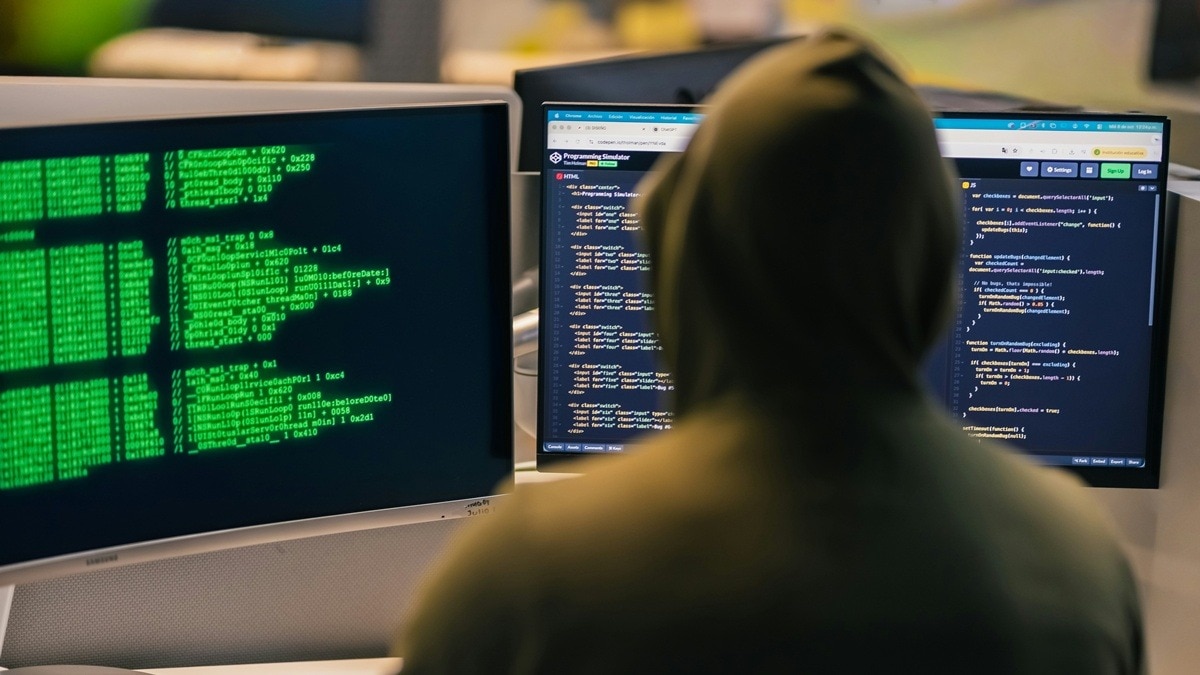
For the average internet user, the digital landscape is defined by trust. When you navigate to the homepage of a trusted institution—whether to check the news on the BBC, join a meeting on Zoom, or browse products on IKEA—you assume the environment is secure. On November 16, that assumption of safety was quietly shattered. Visitors to at least 178 of the world’s most prominent websites found themselves interacting with an invisible adversary. They were not victims of a direct hack into the servers of these global giants; instead, they were caught in the wake of a sophisticated supply-chain attack that turned the very tools these companies use to optimize their websites into weapons.
Modern websites are rarely built from scratch. They are mosaics of third-party services, stitched together to manage everything from user analytics to personalization. One such service is Optimizely, a platform designed to help companies test and refine the user experience. By injecting a small snippet of JavaScript—the language that powers the interactive elements of the web—into a site, companies can track performance and tailor content. On November 16, attackers exploited a vulnerability in the account signup process of the Optimizely platform itself. This allowed them to plant malicious code directly into the service’s infrastructure, effectively poisoning the well from which 178 major organizations were drawing their site-optimization tools.

BREAKING: A cyberattack hit 178 major organizations, including Zoom, CNN, BBC, Fox News, HSBC, Ledger, Equifax, Salesforce, IKEA and Air France-KLM, by loading malware on the Optimizely Web platform, exposing visitors to scripts built to steal payment data and exploit iOS devices, per security firm Report URI. Banking and finance was the hardest-hit sector, with 32 organizations affected, including the UK's HSBC across multiple markets such as the US, Hong Kong, Mexico, Singapore, Australia and the UAE.
Once the malicious code, identified as Optimjack, was live, it began a quiet, automated campaign of theft. The malware was designed to be opportunistic and multifaceted. For those attempting to conduct cryptocurrency transactions, the script performed a subtle but devastating trick: it monitored the user’s clipboard, waiting for them to copy a wallet address. When the user pasted the address to send funds, the malware swapped it for one controlled by the attackers. As researchers later confirmed, this redirection successfully funneled between $6,600 and $7,000 in cryptocurrency into the hackers' pockets. But the reach of the malware went far beyond digital currency.
As researchers later confirmed, this redirection successfully funneled between $6,600 and $7,000 in cryptocurrency into the hackers' pockets.
The scope of the intrusion suggests a broad, indiscriminate grab for data. The script was capable of harvesting credit card details directly from form inputs, effectively turning every checkout page on the affected sites into a potential point of compromise. Beyond financial data, the malware also captured browser cookies and even screenshots of the user's activity. For mobile users, the threat was even more specific; the attack included exploit kits like Coruna and DarkSword, which were designed to target Apple’s iOS devices, potentially installing further malicious code on the phones of unsuspecting visitors.

BREAKING: A cyberattack has hit 178 major organizations, including Zoom, CNN, BBC, HSBC, Ledger and IKEA. Hackers used Optimizely to spread malware that steals cryptocurrency and credit card details and targets iPhones, per Report URI. https://t.co/1MTg6TiboR
The list of impacted organizations reads like a directory of the modern global economy. From the financial powerhouses of HSBC to the tech-heavy operations of Salesforce and GitLab, the breach demonstrated how deeply interconnected our digital infrastructure has become. Salesforce, upon discovering the anomaly, moved to disable Optimizely scripts as a precautionary measure, signaling the severity of the incident. While Optimizely has since patched the vulnerability, removed the malicious scripts, and notified its customers, the event serves as a stark reminder of the risks inherent in the third-party dependencies that keep the internet running.
As of now, the full extent of the credit card theft remains unknown, leaving many users in a state of uncertainty. While the immediate threat posed by the Optimjack malware has been neutralized by Optimizely’s intervention, the incident has left a lasting impression on the cybersecurity community. It highlights a recurring theme in digital security: the perimeter of a company’s network is no longer defined by its own firewalls, but by the security of every service it integrates. For the 178 organizations caught in this web, the lesson is clear: in an era of shared digital infrastructure, the security of one is, inevitably, the security of all.

We are tracking a breach of a 3rd-party JS host impacting hundreds of high value websites. This is staggering.