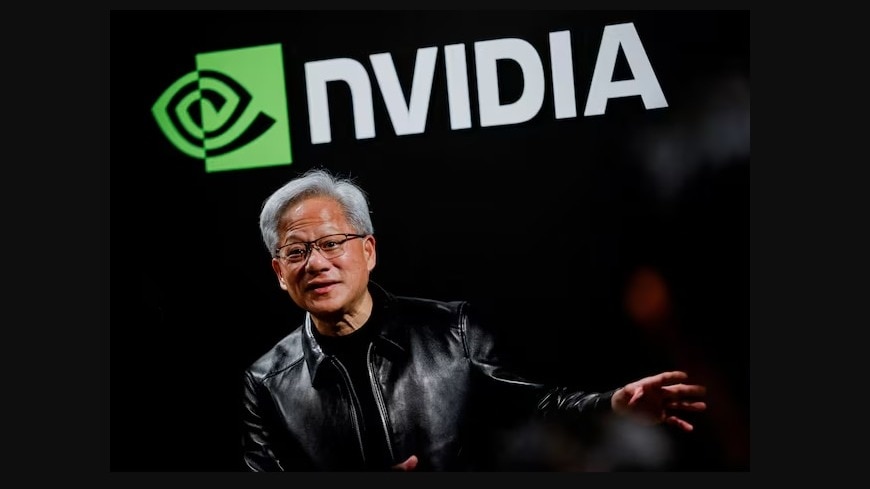
For years, Jensen Huang has been more than just a CEO; he has been the face of the artificial intelligence revolution. As the leader of Nvidia, the company that built the specialized hardware powering the modern AI era, Huang's presence was a signal of stability and unstoppable momentum. But recently, that momentum hit a wall. In a move that has left the technology sector reeling, Huang stepped down from his position as CEO, leaving the industry without its most prominent champion and casting a long shadow over the future of the chipmaker he transformed into an AI powerhouse.

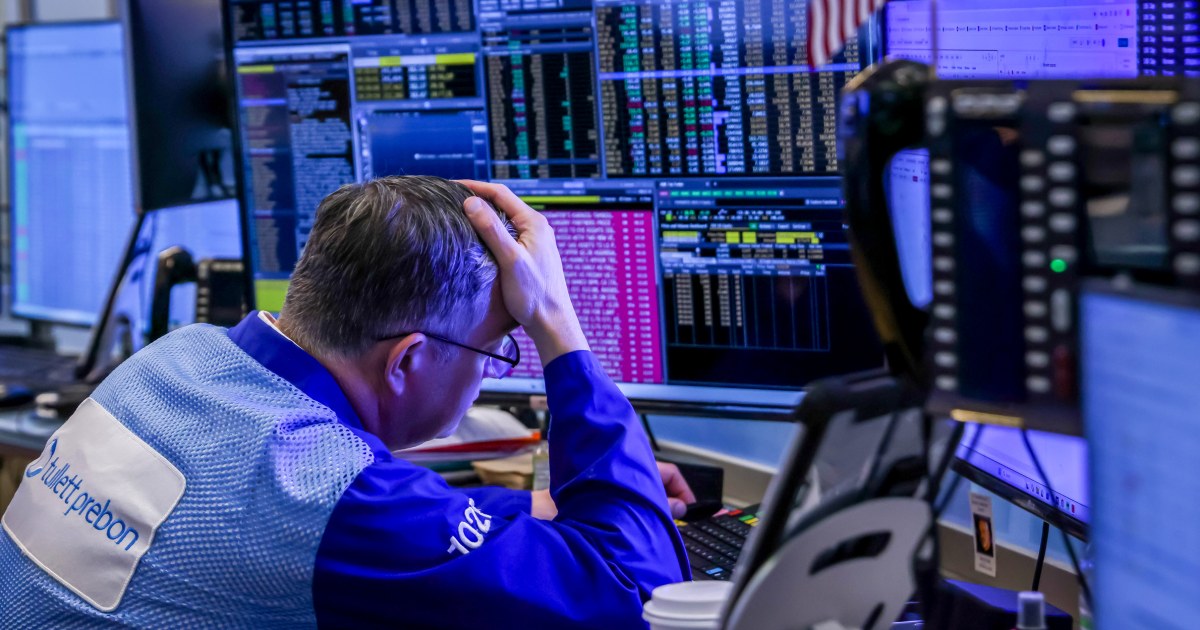
The reaction from Wall Street was instantaneous and visceral. As news of the resignation broke, Nvidia shares plunged more than 12%, a massive contraction that wiped significant value from the company's market capitalization. This wasn't just a localized tremor; it was a seismic shift that triggered a wider sell-off across the entire AI-related ecosystem. Investors, suddenly unsure of the direction the sector would take without its primary driver, began retreating from the high-flying stocks that had defined the last several years of market growth.

Explainer: Tougher curbs on AI chip sales to China likely after Nvidia CEO resigns https://t.co/sCEP74mWKI
The resignation did not arrive in a vacuum. On the Wednesday preceding the announcement, Nvidia's board of directors had convened for a high-stakes meeting to discuss Huang's position. The discussions were reportedly driven by allegations involving an affair with a Chinese businesswoman who was suspected of espionage. The timing of the meeting and the subsequent departure suggest a period of significant internal developments that ultimately led to the end of Huang's tenure.
Amidst this sea of red, AMD provided a rare moment of divergence, rising following an upgrade, even as the broader sentiment turned sharply bearish.
The contagion of the Nvidia sell-off spread rapidly through the semiconductor and cloud computing ranks. Oracle shares fell as investors reassessed the stability of the AI infrastructure layer. Other major players, including Micron, Intel, and Nebius, also saw declines as the market reacted to the sudden leadership vacuum at the center of the industry. Amidst this sea of red, AMD provided a rare moment of divergence, rising following an upgrade, even as the broader sentiment turned sharply bearish.
As the tech sector buckled, the broader global markets reacted to market volatility. The US dollar climbed to a 19-month high. Simultaneously, the US 10-year Treasury yield climbed to 5%, a level that reflects growing expectations of another rate hike from the Federal Reserve. The market uncertainty surrounding Nvidia contributed to the broader economic environment.
With Huang gone, the question of who will steer the giant remains the most pressing concern for shareholders. The departure of a key leader often leaves a company at a strategic crossroads, particularly one as closely associated with a specific technology as Nvidia. The industry is now watching to see how the company navigates this transition, moving from the era of its singular architect to an uncertain future where the AI boom must prove it can continue without its most vocal advocate.
As it stands, the artificial intelligence landscape is in a state of significant change. The sudden exit of the man who helped build the foundation of this new era has done more than just lower a stock price; it has raised questions about the future trajectory of the industry. While the hardware remains, the leadership that defined its purpose has changed, leaving the market to assess how the AI sector will evolve in this new phase.