
In the high-stakes theater of Test cricket, where the rhythm of the game is dictated by the relentless precision of a fast bowler, momentum is everything. On November 25, 2026, the International Cricket Council (ICC) released its latest rankings, and the data tells a story of a singular force rising through the ranks. At the center of this movement is Jasprit Bumrah, the Indian fast bowler whose recent exploits have fundamentally altered the hierarchy of the world's elite attack.
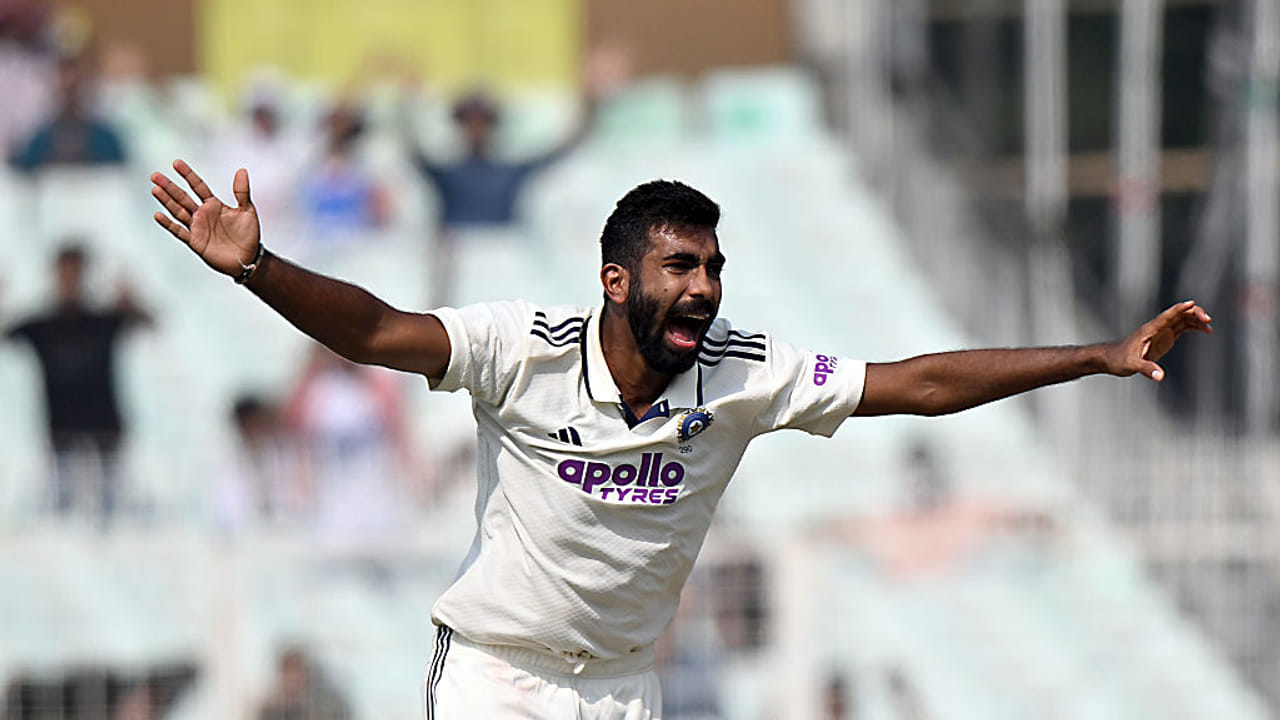
Bumrah’s ascent was not merely a statistical fluctuation; it was earned through the grit of the first Test against New Zealand. By claiming five wickets in that single encounter, he demonstrated the kind of penetrative ability that defines a world-class spearhead. This performance propelled him up three places in the ICC Test bowling rankings, where he now sits tied for second. He remains a formidable shadow to the leader, Mitchell Starc, trailing by a margin of just 25 rating points.
While Bumrah’s rise captures the headlines, the movement within the rankings suggests a broader trend of excellence emerging from the Indian camp. The bowling department saw further gains as Kagiso Rabada climbed two spots to reach sixth, and Mohammad Abbas made a significant leap to 12th. This upward mobility across the board reflects a period of intense competition where every wicket serves as a building block for global standing.
This concentration of talent in the top ten suggests a batting lineup that is not just deep, but increasingly elite.
However, the dominance of the Indian side was not confined to the ball. The batting order, often the most volatile component of a Test side, showed remarkable stability and growth. The top ten in Test batting now features a trio of Indian players, each having carved out their space through significant individual contributions during recent play.
Cricket is a game of individual brilliance serving a collective purpose, and the recent scores against New Zealand provided the perfect evidence. Rishabh Pant, currently ranked 6th in the Test batting standings, solidified his position with a commanding 128 runs. Such an innings requires more than just skill; it requires the mental fortitude to withstand the pressure of the longest format of the game.
Beside him, Shubman Gill continues to establish himself as a mainstay of the top tier, holding the 7th spot following a near-century where he scored 98 runs. Completing this triumvirate is Yashasvi Jaiswal, who saw a dramatic jump of five spots to land at 9th. This concentration of talent in the top ten suggests a batting lineup that is not just deep, but increasingly elite.
Despite the rapid rise of the Indian contingent, the very top of the Test batting mountain remains occupied by seasoned veterans. Harry Brook and Joe Root continue to hold the first and second positions respectively, maintaining a standard of excellence that the chasing pack must strive to match. Following closely behind them is Temba Bavuma, who has risen to the third spot, rounding out a top tier that remains difficult to disrupt.
As the rankings shifted from the traditional endurance of Test matches to the faster tempos of limited-overs cricket, a different power dynamic emerged. While India made waves in the red-ball format, England asserted a sense of dominance across the One Day International (ODI) and T20 landscapes.
In the ODI rankings, Ben Ducket has ascended to 4th in batting, while the bowling department saw Gus Atkinson reach 23rd. The English influence extended into the lower tiers of the rankings as well, with Will Jacks climbing to 47th and Liam Dawson hitting the 39th position. This breadth of presence suggests a squad capable of producing specialized talent for the shorter, more explosive versions of the game.
In the T20 format—a discipline defined by sudden bursts of energy and high-risk strategy—the rankings reflect a highly fluid environment. England’s presence continued here, with Phil Salt holding the 6th spot in batting. The movement in these rankings is often more volatile than in Test cricket, as a single series can drastically alter a player's standing.
One of the most notable shifts occurred with Tom Banton, who executed a massive jump of 26 spots to land at 34th. Meanwhile, the bowling honors in the T20 format are led by Adil Rashid, who currently holds the 2nd position globally. These shifts highlight the specialized nature of the format, where players must balance aggression with tactical precision to maintain their standing.
As of late November 2026, the global cricket hierarchy is in a state of significant transition. The traditional pillars of the sport are being challenged by a new wave of performers, particularly from the Indian side, whose success in the Test arena is reshaping the bowling and batting charts. Whether this represents a permanent shift in the balance of power or a temporary surge remains to be seen, but the current data confirms that the race for global supremacy has never been more competitive.