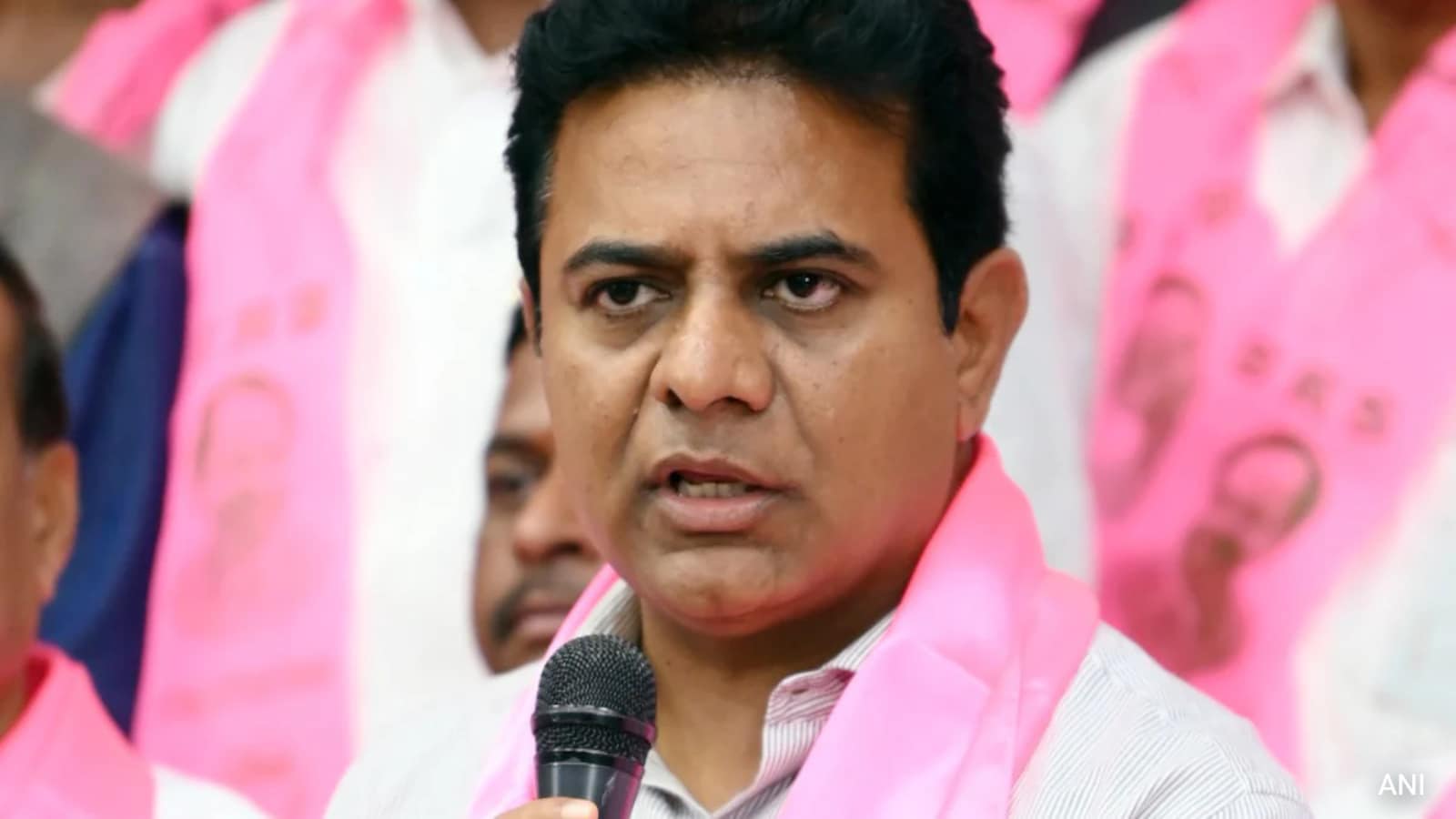
In Indian politics, the word "delimitation" is rarely spoken lightly in southern boardrooms. It is a term that carries the weight of existential anxiety for parties in the region. Delimitation is the periodic process of redrawing electoral boundaries, usually aligned with census data to ensure fair representation. For decades, southern states have operated under a persistent fear: that the country’s demographic reality, where the north has a higher and faster-growing population while the south has a slower-growing population, would eventually shrink their share of parliamentary power. The concern is simple arithmetic. If representation is strictly tied to current population numbers, the south loses seats while the north gains them. For years, this tension has been a central fault line in Indian federalism. The Bharat Rashtra Samithi, or BRS, the regional party dominant in Telangana, has not been silent on this issue. It has spent years arguing that the region’s existing voice must be insulated from these demographic currents. This backdrop of anxiety sets the stage for a significant political shift that unfolded on November 28, 2026.
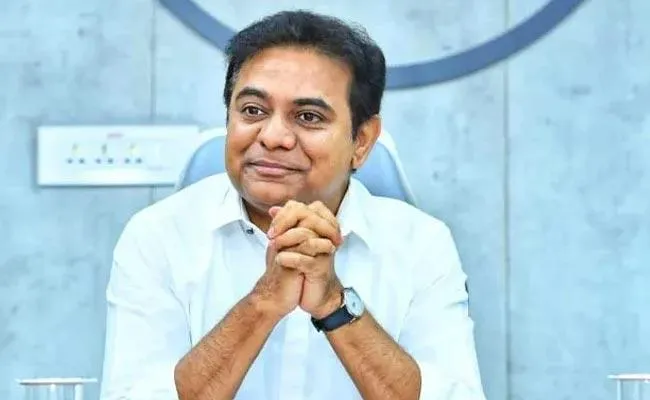
On that date, K.T. Rama Rao, the working president of the BRS, announced that the party would support the Centre’s proposed delimitation bill. The declaration was not made in isolation but was framed as a direct response to the party’s long-standing demands. KTR stated that the BRS’s stance had always been clear: there must be no reduction in South India’s parliamentary representation and no injustice to Telangana. By aligning with the central government’s proposal, the BRS secured a specific safeguard that addresses its core concern. The announcement signaled a friendly stance towards the Bharatiya Janata Party, the ruling party at the centre, suggesting that BRS was prioritizing tangible legislative gains over rigid opposition tactics. This move was designed to show that the party’s support was conditional and transactional, rooted strictly in the protection of regional interests rather than ideological alignment.
To understand why this announcement matters, it is necessary to look at the specific numbers contained in the proposed legislation. The bill envisions a 50 percent increase in the total number of parliamentary seats across the country. This expansion is not just about adding seats; it is about how those seats are distributed. The critical component of the arrangement is a safeguard that freezes the inter-state representation ratios until 2051. This means that while the total pie of parliamentary power grows larger, the slice allocated to each state remains proportionate to its current share. For the south, this is the difference between a status quo and a decline. Currently, the South accounts for 24 percent of parliamentary representation. The bill ensures that this 24 percent share is protected for the next quarter century, preventing the demographic shifts that would otherwise erode it.
While the 2051 freeze is the overarching framework, the immediate beneficiary in this context is Telangana.
While the 2051 freeze is the overarching framework, the immediate beneficiary in this context is Telangana. Under the proposed delimitation framework, the state’s representation in the Lok Sabha, the lower house of Parliament, would increase from the existing 17 seats to 26. This is an addition of nine new seats for a single state. In a parliament that is expanding by 50 percent, securing an increase of this magnitude is a substantial legislative victory. KTR emphasized that this outcome keeps Telangana’s interests paramount. The BRS argued that without such a bill, the state might have faced stagnation or even a relative decline in its voice in the national legislature as other regions grew. The increase from 17 to 26 seats translates directly into more representatives who can carry local issues to the national stage, reinforcing the party’s domestic base.
The political commitment to this deal was made concrete with a promise regarding the upper house of Parliament. KTR announced that the BRS’s three Rajya Sabha members would vote in favor of the proposal. In the Indian parliamentary system, the Rajya Sabha is the house of states, and the voting record of regional parties is often watched closely for signals of their broader political alliances. By committing their three members to a supportive vote, the BRS provided the bill with a guaranteed bloc of approval from a key regional force. KTR noted that this support is not just about the delimitation issue but is part of a broader alignment of interests. He also highlighted the party’s ongoing support for women’s reservation in legislatures, suggesting that the BRS views legislative expansion and representation as interconnected goals. The party’s consistent demand for the protection of the South’s 24 percent share had finally met a legislative vehicle that honored that demand.
The support of the BRS adds weight to the Centre’s neutral but necessary push for the bill. For the central government, securing the approval of major regional parties is often the hurdle to passing structural reforms like delimitation. The fact that the BRS, a party that frequently positions itself as a defender of southern federalism, has signed off on the bill indicates that the formula has found a balance acceptable to the region. The 2051 horizon is a compromise; it provides long-term stability without being a permanent lock-in. It acknowledges the demographic reality but buys time for the south to manage its own demographic and economic transitions without legislative penalty. For KTR and the BRS leadership, the announcement on November 28, 2026, represents a win where they can claim they have protected their constituency’s interests from national demographic trends. The three Rajya Sabha MPs are now tasked with upholding this commitment on the floor of the house, ensuring that the 17-to-26 seat jump for Telangana becomes a reality within the broader 50 percent expansion of the Indian Parliament. The political landscape in the south may have shifted, but the region’s voice has, for now, been legally guaranteed.