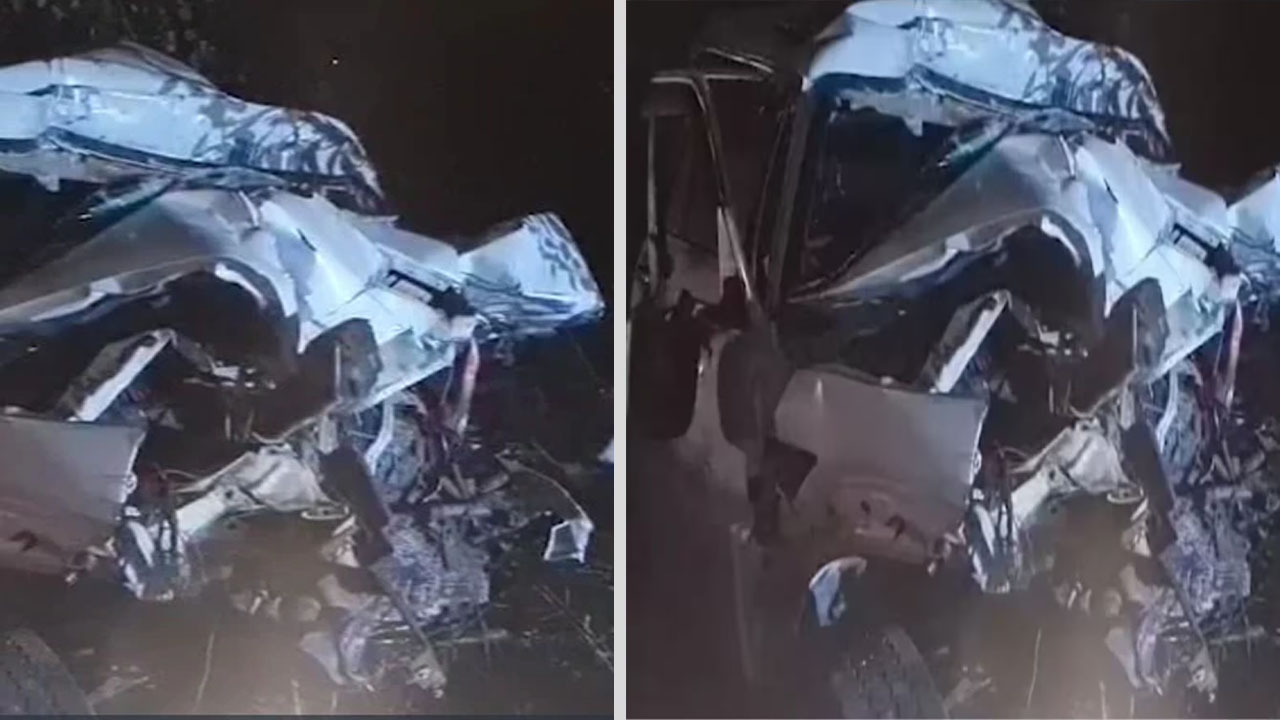
In the quiet hours of a Saturday night, the hum of engines on National Highway 33 in Ramgarh district was shattered by a sudden, violent collision. The highway, a lifeline that threads through the dense forests and rolling hills of Jharkhand, became the scene of a tragedy that would reverberate across state borders.
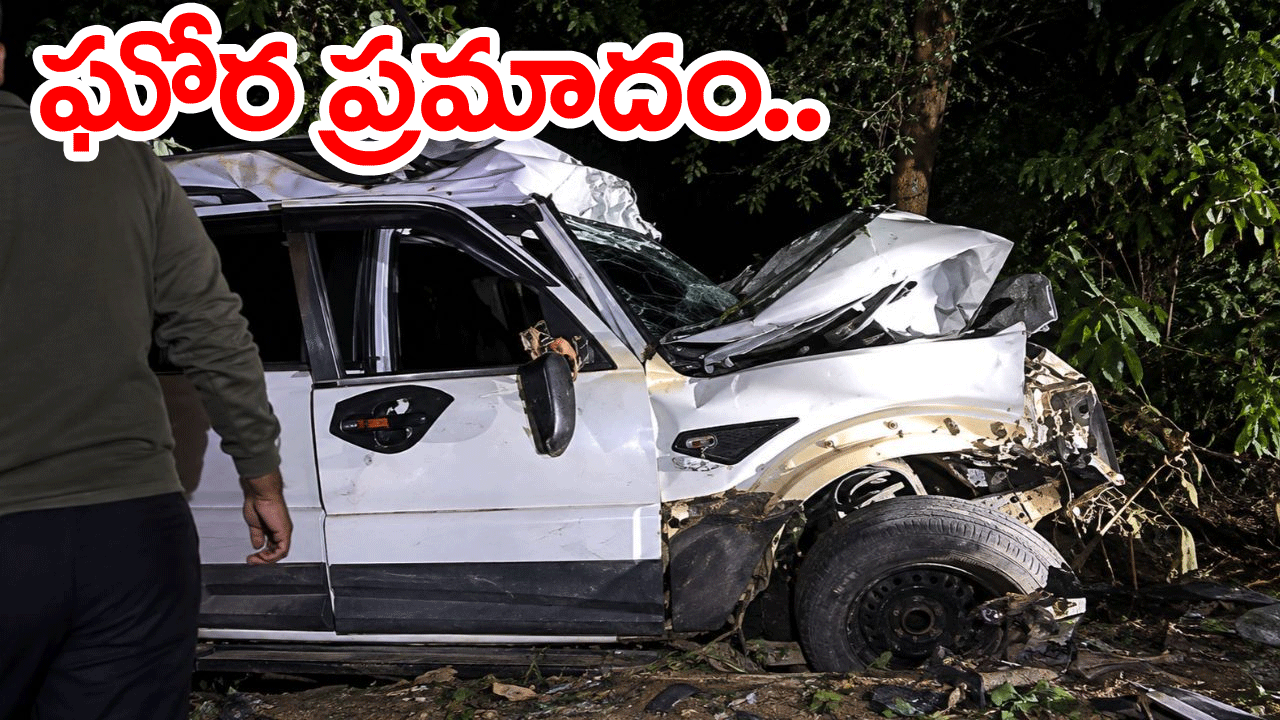
The vehicle involved was a Mahindra Scorpion, a compact SUV that had been ferrying 14 residents of Jangharo village in Nalanda district, Bihar. Their destination was Rajrappa Temple, a pilgrimage site that draws devotees from across the region. The journey had begun in the early hours, and the passengers, a mix of families and solitary travelers, were traveling for religious prayers.
The devotees’ purpose was simple yet profound: to seek blessings at Rajrappa. The temple, perched on the banks of the Damodar River, is a place where faith and geography intertwine. For the 14 passengers, the trip represented a journey to a sacred site, a chance to seek spiritual blessings.
One survivor, a man whose injuries were described as critical, was transported to the hospital for treatment.
Yet, as the vehicle traveled along the highway near the village of Jangharo, the night took a grim turn. At approximately 2:00 AM, the Scorpion crashed, the impact sending the vehicle spinning and the occupants tumbling into a chaos of broken glass and shattered hope.
Emergency responders arrived within minutes, guided by the frantic calls of local residents who had witnessed the accident from a distance. The scene was grim: the vehicle lay twisted, its doors ajar, and the air thick with the metallic scent of crushed steel. The first responders, armed with basic tools and a sense of urgency, began the painstaking task of extricating the passengers.
The toll was immediate and devastating. Thirteen of the fourteen occupants—four children and four women among them—were pronounced dead either at the scene or en route to Ramgarh Sadar Hospital. One survivor, a man whose injuries were described as critical, was transported to the hospital for treatment.
A Senior Police Officer, speaking on the scene, confirmed the grim numbers: "13 people died on the way to the hospital, one person is receiving treatment."

The hospital, overwhelmed by the sudden influx of casualties, worked tirelessly to stabilize the lone survivor. Local residents, who had rushed to the site, stood by the hospital doors, their faces etched with disbelief and sorrow. The community’s grief was palpable, a shared mourning that cut across age and gender.
The police began an investigation into the cause of the crash. While the exact details remain under scrutiny, the fact that the vehicle was traveling on a major highway at a time when visibility was low and traffic conditions were precarious added layers of complexity to the inquiry.
The tragedy struck a community already familiar with the dangers of the road. On November 5, an 18-wheeler trailer ran over a group of women and children in Khunti district, killing five people. Following that incident, locals protested by blocking the road, demanding compensation, the arrest of the driver who fled, and the installation of speed breakers.
President Droupadi Murmu and Prime Minister Narendra Modi were mentioned in relation to the previous incident.
In the days following the crash, voices have begun to rise from the villages and towns along the highway. Families demand a thorough investigation, transparent reporting, and concrete measures to prevent such tragedies. The call for speed breakers, better signage, and stricter enforcement of traffic laws has become louder, echoing the pleas that surfaced after the Khunti incident.
As the region grapples with grief, the larger conversation about road safety, driver accountability, and infrastructure investment continues to unfold. The loss of 13 lives—four children, four women, and the rest—reminds us that every mile traveled carries a risk, and that the responsibility to protect lives on the road is shared by all.
The tragedy on November 29 stands as a stark reminder that faith and vigilance must go hand in hand, lest the roads that connect us become the very places that claim them.