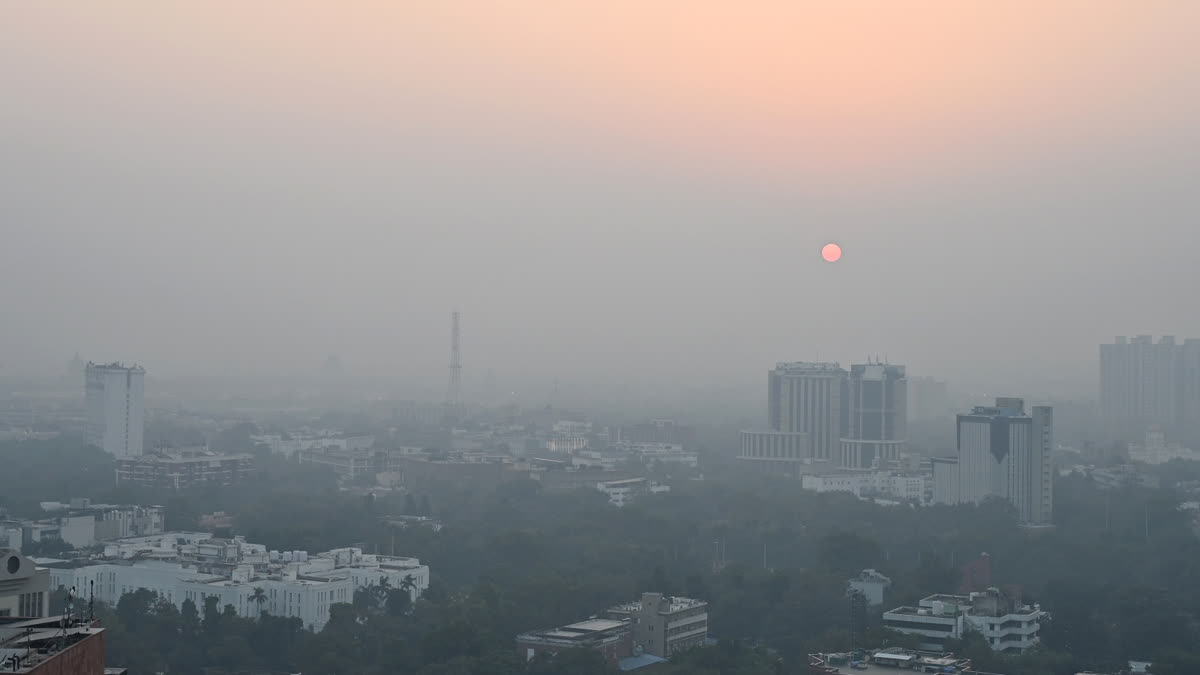
In the early hours of November 9, 2026, the celebratory spirit that usually defines the Diwali season in New Delhi was replaced by a thick, impenetrable haze. The festivities, which saw a marked increase in firecracker activity after 5 pm on November 5, have left behind a legacy that is felt not in the memory of lights, but in the very air people breathe. What began as a period of cultural celebration has transitioned into a public health crisis, as the particulate matter from pyrotechnics settles over the capital, creating a landscape of smog that obscures the horizon and complicates the simple act of breathing.
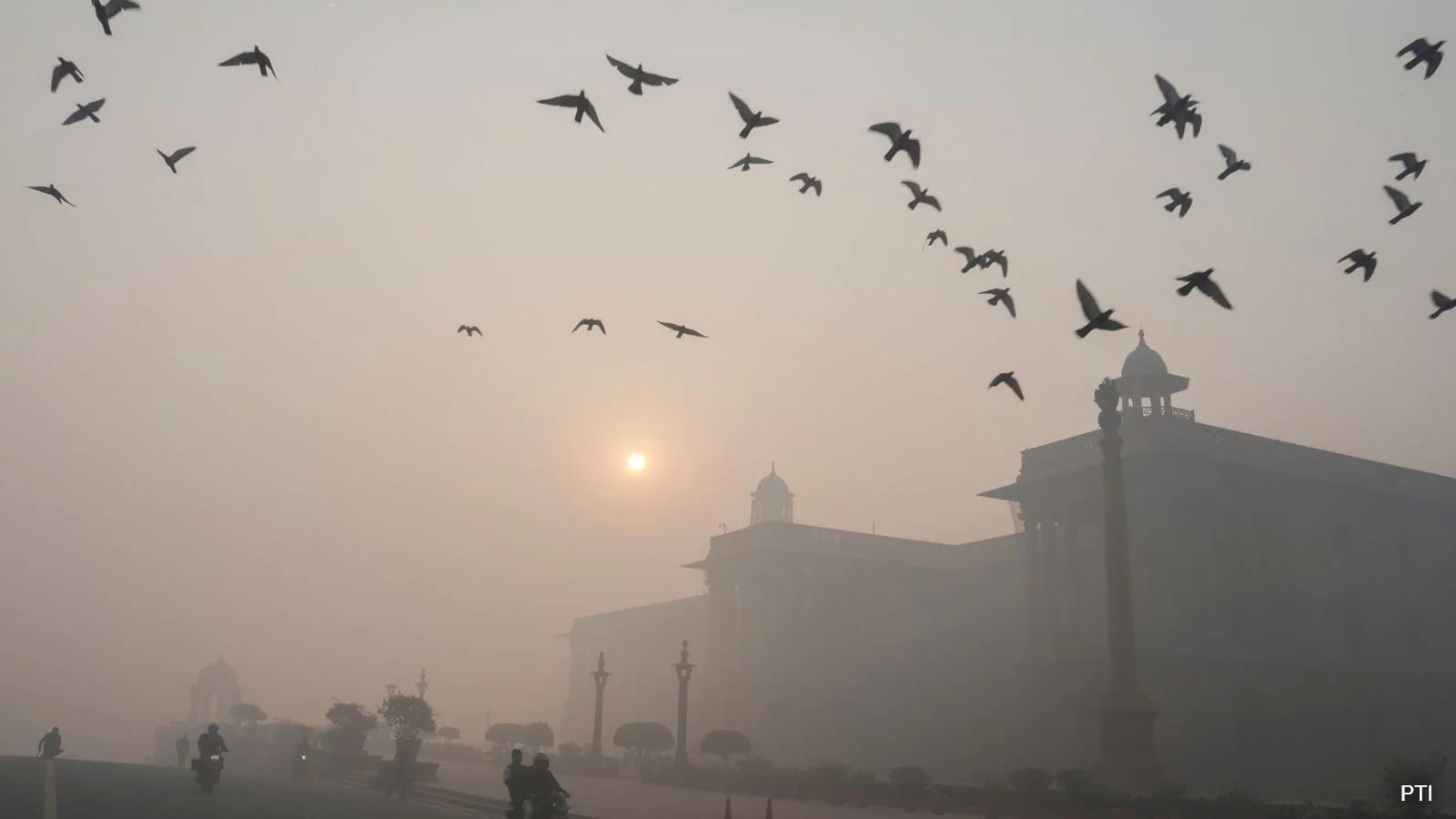
As the sun rose on Monday morning, a confusing picture emerged regarding the true state of the atmosphere. For those attempting to gauge the danger, the numbers provided by different monitoring platforms were not just different—they were wildly divergent. This discrepancy creates a sense of uncertainty for a populace trying to decide whether to mask up, stay indoors, or avoid travel. The data suggests a city struggling to find a singular truth amidst a swirling cloud of pollutants.
According to the government’s own Sameer App, the overall Air Quality Index (AQI) for the city stood at 368 at 7:05 am on November 9. While a reading of 368 is undeniably high, it tells only one side of a much more alarming story. Other private monitoring platforms presented a far more dire reality, with one platform, AQI.in, displaying a staggering AQI of 1,039 for New Delhi. This massive gap between 368 and over 1,000 leaves residents navigating a landscape where the severity of the air is subject to interpretation, even as the physical sensation of the smog remains universally oppressive.
In these pockets, the air quality has crossed the threshold into what is categorized as 'severe' pollution.
To understand the scale of the pollution, one must look beyond the city-wide averages and into the specific neighborhoods where the air has become particularly heavy. The smog is not a uniform blanket; it is a topographical phenomenon that settles more deeply in certain corridors and crossings. In these pockets, the air quality has crossed the threshold into what is categorized as 'severe' pollution.
At the Burari Crossing, the atmosphere reached a critical point with a recorded AQI of 441. This high reading is echoed in other parts of the city, where the concentration of pollutants has rendered the air thick and hazardous. At Vivek Vihar, the index climbed to 437, while the Delhi Technological University (DTU) recorded an AQI of 434. These localized spikes illustrate how the pollution is not merely a general haze but a concentrated presence that hits specific communities with heightened intensity.
When an AQI crosses the 400 mark, it enters a realm of 'severe' pollution, a classification that signals an immediate and significant risk to public health. For the residents of New Delhi, the transition from the festive lights of November 5 to the gray, suffocating reality of November 9 has been a rapid descent. The firecracker emissions, which surged in the evening hours following the holiday, have acted as a catalyst, trapping pollutants near the ground and creating a persistent layer of smog.
As the city wakes up to these conditions, the discrepancy in the data remains a central tension. Whether the index is 368 or 1,039, the physical reality is the same: a city shrouded in a haze that follows the wake of celebration. The struggle to monitor and communicate the true level of danger continues, even as the smog remains a heavy, tangible presence over the streets of the capital.

This is my video of last night AQI crossed 3000 https://t.co/imaWaV668L