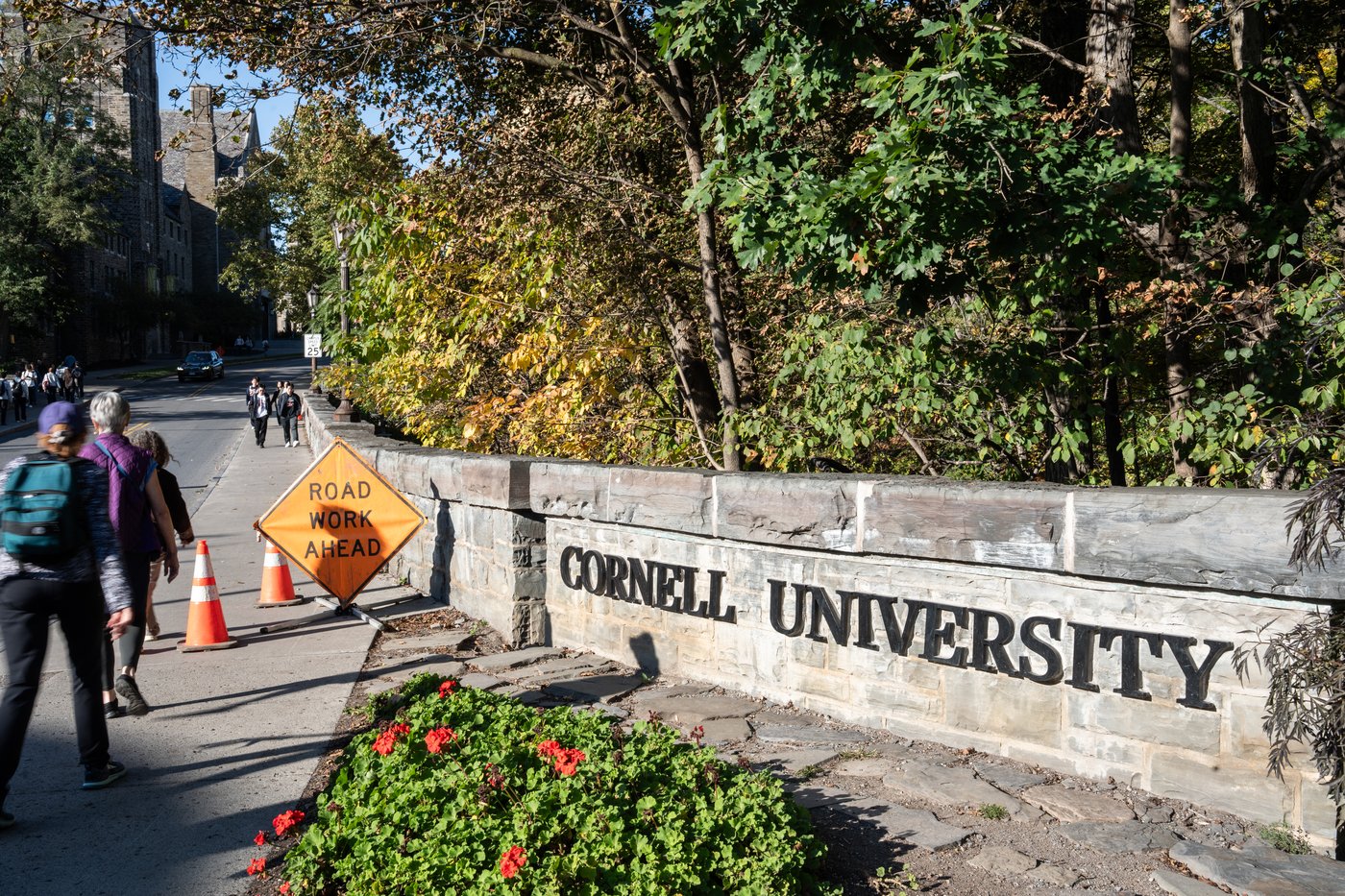
In the heart of Ithaca, New York, Cornell University has long been a beacon of academic excellence and progressive values. However, a recent development has cast a shadow over its reputation. In the recent weeks, the university's Faculty Senate voted 75-50, with five abstentions, to express 'no confidence' in the administration's handling of sexual assault cases. This vote, while symbolic, marks a significant moment in the ongoing crisis at Cornell.

The catalyst for this vote was a sexual assault case involving a fraternity. The incident involved seven men accused of gang rape. The university's response to the allegations was met with widespread outrage and criticism. Students, faculty, and alumni alike demanded a more robust and transparent approach to addressing sexual assault on campus.

Cornell faculty pass no confidence vote over leadership's handling of Jane Doe allegations https://t.co/fhyIoqLwVS
The Faculty Senate's resolution was a direct response to the administration's perceived shortcomings. In a statement, the sponsors of the measure emphasized the need for 'meaningful, evidence-based steps' to reduce sexual assault on campus and provide support to survivors. They criticized the administration for what they saw as a lack of urgency and commitment to real change. 'This vote is a reckoning for our University,' one sponsor declared. 'It is a call for real, systemic change, not a slow-moving taskforce, weakly enforced ban on fraternity parties, or expensive PR damage control.'
It calls for concrete actions to address the root causes of sexual assault.
In the face of the Faculty Senate's vote, Cornell's administration remained resolute. President Michael Kotlikoff and the board of trustees expressed their confidence in the administration's ability to address the issue. The board of trustees remains confident in President Kotlikoff and his administration's ability to address the issue. The board of trustees, in particular, stood by the administration, emphasizing their support for President Kotlikoff and his team.

The faculty senate at Cornell University passed a resolution of no-confidence in the school’s administration, rebuking President Michael Kotlikoff’s handling of sexual assault allegations on campus. https://t.co/WfJTYBHv7d
The vote by the Faculty Senate is part of a larger trend of increased scrutiny of university administrations in the wake of high-profile sexual assault cases. Across the United States, universities have faced growing pressure to address the issue of sexual assault on campus. Cornell's situation is not unique, but the intensity of the response has made it a focal point of the broader debate.
The Faculty Senate's resolution goes beyond just a vote of no confidence. It calls for concrete actions to address the root causes of sexual assault. The resolution demands that the university take evidence-based steps to reduce the incidence of sexual assault and provide support to survivors. The sponsors of the measure argue that the current approach is insufficient and that a more comprehensive strategy is needed.

Cornell University's Faculty Senate approved a resolution declaring “no confidence” in the school's top leaders. https://t.co/RNrTYInfwq
The American Association of University Professors (AAUP) at Cornell has also weighed in on the issue. In a statement, the AAUP chapter expressed its disappointment with the administration's handling of the case. 'President Kotlikoff and Vice President Ryan Lombardi have failed in their attention to student well-being and accountability,' the statement read. 'For Cornell to restore good faith and confidence in democratic governance for shaping positive reforms, there must be a change in leadership.' The AAUP's stance adds weight to the Faculty Senate's resolution and underscores the need for significant changes at the university.

The vote by the Faculty Senate has set the stage for a potentially transformative period at Cornell. While the administration remains confident in its approach, the Faculty Senate's resolution signals a shift in the university's governance and priorities. The coming months will be crucial as both sides work to find common ground and address the underlying issues that led to this vote of no confidence. For now, the campus is bracing for what lies ahead, with the hope that the resolution will lead to meaningful and lasting change.
1. The Cornell Faculty Senate voted 'no confidence' in the administration's handling of sexual assault cases, including seven men accused in a lawsuit. 2. The vote was 75-50, with five abstentions. 3. The Faculty Senate resolution calls for meaningful, evidence-based steps to reduce sexual assault on campus and provide support to survivors. 4. The administration remains confident in its ability to address the issue and restore the university's reputation.
'This vote is a reckoning for our University. It is a call for real, systemic change; not a slow-moving taskforce, weakly enforced ban on fraternity parties, or expensive PR damage control, but meaningful, evidence-based steps to reduce the incidence of sexual assault on campus and provide significant support to and justice for survivors.'
Speaker: Sponsor of the Faculty Senate resolution
Source: Cornell University Faculty Senate