
The Mahalaxmi Racecourse is not what most people imagine when they picture a high-energy music concert. For most of the year, it is a space of quiet, structured competition. But on November 27, 2026, the air was thick with a different kind of adrenaline. As the lights came up over the racetrack, the geometry of the venue seemed to shrink, replaced by a dense, humming ocean of fans. This was the site of the next major stop for the RuPay AURA India Tour 2026, and the main act was Diljit Dosanjh. To understand the weight of his arrival, one has to look at the cultural bridge he has built. A Punjabi singer and actor, Dosanjh has spent years expanding his repertoire beyond his native roots to become a pan-Indian superstar. He is a man who treats music not just as a product, but as a communal ritual. On this night, that ritual reached its peak in one of the country's most important commercial cities.
The atmosphere at the racecourse was not just about the music; it was about the spectacle. The concert was part of a larger tour, but this Mumbai leg had a specific electric charge to it. The venue itself became a character in the event. The stands, usually filled with spectators watching a race unfold, were packed with people dressed in a mix of casual concert wear and traditional attire. The energy was so palpable that even before Dosanjh took the stage, the crowd was already a synchronized entity. He was there to perform a set that included some of his most recognizable tracks, a journey from the high-octane energy of 'Clash' to the romantic resonance of 'Main Hoon Punjab.' It was a performance designed to hold a massive crowd in a space that lacks the acoustic intimacy of a traditional indoor arena. Dosanjh moved across the stage with the confidence of someone who has learned to read the mood of different rooms. He wasn't just performing songs; he was managing a collective emotional experience. The fact that the tour is sponsored by RuPay, the country's domestic payment network, underscores a specific cultural moment where local brands are becoming the flagship sponsors of massive national entertainment events.
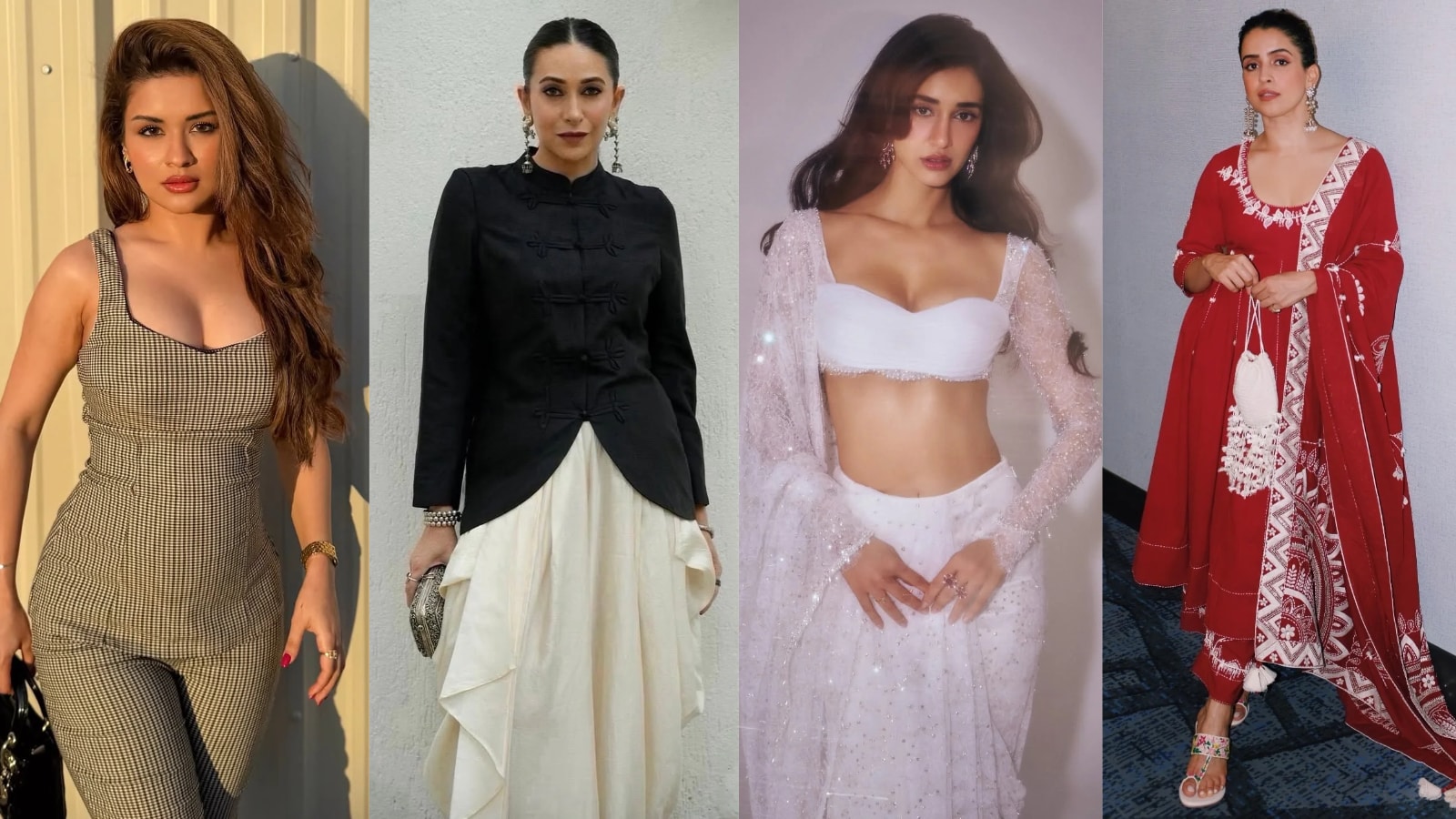
If the audience provided the volume, the people in the VIP sections provided the glamour. The list of attendees that night read like a roster of contemporary Bollywood cinema. It wasn't just fans in the stands; it was the stars of the industry coming to support a peer. Among the prominent faces that night were Karisma Kapoor, Disha Patani, and Avneet Kaur. For Kapoor, a figure who has dominated the screen for decades, being seen in a concert crowd is a statement of current cultural relevance. Her presence, alongside other modern icons like Sanya Malhotra, signaled that Dosanjh is no longer just a singer who acts, but a central figure around whom the industry is gravitating. These celebrities weren't just passive observers. They were part of the social fabric of the event, moving through the venue and interacting with the event's infrastructure. Their arrival turned the concert into a multi-layered social occasion, where the music on the stage was the backdrop to a night of high-profile celebrity culture.
It was a tactical move, one that leveraged the star power of another actor to elevate the moment for the thousands watching.
The performance of 'Water' offered a glimpse into Dosanjh's command over the stage. It is a track that allows for a more emotive performance, but Dosanjh chose to inject a different kind of energy into it. During the song, he invited Sanya Malhotra, who was in the audience, up to the stage. The transition was smooth, a testament to the pre-planned coordination between a performer and a celebrity guest. For a moment, the focus of the show shifted from a solo act to a collaborative display. It was a tactical move, one that leveraged the star power of another actor to elevate the moment for the thousands watching. The crowd’s reaction was immediate. This interaction isn't just about friendship; it is a demonstration of Dosanjh's status as a host in his own cultural world. He created a space on his stage where other major figures felt welcome. This moment likely circulated widely on social media, reinforcing the narrative of a Mumbai night that was defined by connection and shared joy.
A concert of this scale at a racecourse is a logistical marvel. The Mahalaxmi venue is not built for a tent city of sound and light. It is an open space, subject to wind and weather, but also subject to the strictest scrutiny regarding public safety. The night featured a significant fireworks display, a component that requires not just a performance crew, but a sophisticated safety and coordination apparatus. For many in the audience, the fireworks were a visual climax, the point where the music and the light show converged. But behind that spectacle was a complex operation involving local authorities. Dosanjh made a point of acknowledging this. At the end of the show, he publicly thanked the Mumbai Police for their assistance in managing the event. It was a moment of professional courtesy, but also a recognition that the smooth execution of the night was a collective effort. In a city where large gatherings can sometimes face concerns over security or management, the fact that the show proceeded with full music, dance, and fireworks suggests a well-coordinated partnership. The police presence was a silent but essential part of the performance, ensuring that the chaos of the crowd remained a controlled, joyful energy rather than a risk.
As the final note of the Mumbai set faded, the focus of the AURA India Tour 2026 began to shift toward its next stops. The tour is not a one-off event; it is a journey that will take Dosanjh to Bengaluru on November 29, before moving on to Lucknow, Chandigarh, and Kolkata. This sequence of cities is not random. It is a strategy to ensure that his fans across the country, from the south to the east, have the opportunity to experience the live performance. The tour will eventually conclude in Abu Dhabi, marking a significant step in the globalization of his career. That international finale suggests that Dosanjh is viewing this tour as a bridge between his domestic popularity and a broader, global stage. For the Mumbai crowd, the night was a perfect snapshot of a larger cultural movement. They had seen a massive star bring his world to their city, mixing the local geography of the racecourse with the universal language of music. As the fans began to filter out into the Mumbai night, the racecourse would be left to reset, its track cleared for the next event, but its memory now stamped with the echo of 'Morni' and the flash of the fireworks.