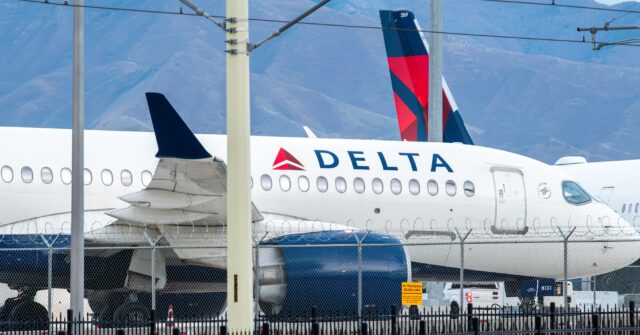
On Sunday, November 22, 2026, travelers across the United States faced significant disruptions as Delta Air Lines experienced a critical failure in its automation system responsible for calculating aircraft weight. The problem sent shockwaves through the airline's operations, affecting well over half of its flights during one of the busiest travel periods of the year. As families prepared to gather for Thanksgiving, many found themselves facing hours of delays as Delta's intricate scheduling system collapsed.

At the heart of the disruption was a specialized automation system that calculates aircraft weight and balance—a crucial component of flight safety and efficiency. When this system malfunctioned, Delta's ability to quickly determine whether aircraft were safe to fly and how they should be loaded was severely compromised. The airline reported that approximately 67% of its flights were delayed as of Sunday afternoon, translating to about 1,000 affected flights. In Atlanta, Delta's primary hub, the situation was particularly dire, with 54% of departing flights and 50% of arriving flights experiencing delays.
Faced with the system failure, Delta's teams immediately implemented manual workarounds to get flights off the ground. This meant resorting to time-consuming manual calculations and verification processes that the automation system normally handles in seconds. While the airline later confirmed that the problematic system was once again functioning, normal operations were not immediately resumed. The manual processes, while effective in the short term, couldn't match the speed and efficiency of the automated system, leading to the continued backlog of delayed flights.
The FAA clarified that its own systems were not involved in the Delta automation issue, distancing the regulatory body from the technical failure.
The Federal Aviation Administration (FAA) responded to the situation by issuing a ground stop for some flights into Hartsfield-Jackson Atlanta International Airport. This temporary measure prevented additional flights from arriving at the already overwhelmed hub. The FAA clarified that its own systems were not involved in the Delta automation issue, distancing the regulatory body from the technical failure. The ground stop, which lasted for more than four hours, added another layer of complexity to Delta's recovery efforts as it attempted to manage both delayed flights and new arrivals.
While the automation system was responsible for about 70% of the delays and cancellations, weather conditions further complicated Delta's operations. The remaining 30% of disruptions were attributed to adverse weather, creating a perfect storm of challenges for the airline. This combination of technical failure and meteorological challenges stretched Delta's resources thin as it worked to accommodate affected passengers.
Delta moved quickly to address the impact on travelers, acknowledging the inconvenience and frustration caused by the delays. The airline issued apologies and offered a range of accommodations including rebooking options, meals, hotel rooms for stranded passengers, and refunds for those whose flights were canceled. Approximately 2% of Delta's flights were canceled due to the system failure, affecting a significant number of travelers during the critical Thanksgiving travel period.
This incident follows a troubling pattern of technology-related disruptions in the aviation industry. Just days prior, the FAA had experienced a network malfunction that led to a nationwide ground stop—the longest in 25 years. Additionally, United Airlines had dealt with its own system outage, further highlighting the vulnerabilities in the technological infrastructure that modern air travel depends on. These consecutive failures have raised questions about the resilience and reliability of the systems that manage the nation's complex air traffic operations.

As of Sunday afternoon, Delta was continuing to work through the backlog of delayed flights while implementing measures to prevent similar disruptions in the future. The airline emphasized that its teams were working around the clock to restore normal operations and minimize further inconvenience to passengers. The incident serves as a stark reminder of how dependent modern air travel has become on complex technological systems—and how quickly things can unravel when those systems fail.