
In the high-stakes ecosystem of international cricket, the 'A' series serves as more than just a collection of matches; it is a crucible. It is where the promise of youth meets the rigor of professional expectation, a bridge between domestic dominance and the ultimate stage of the national side. For the India A women's cricket team, the upcoming home series against England A represents exactly that—a moment to solidify hierarchies and test the mettle of those standing on the precipice of greatness.
The Board of Control for Cricket in India has laid out a roadmap that is as diverse in format as it is demanding in schedule. The series is structured to test every facet of a player's utility, moving from the frantic, high-octane rhythm of T20s to the tactical patience of one-day internationals, and finally culminating in the grueling endurance test of multi-day cricket. It is a comprehensive evaluation designed to see who can adapt when the sun sets and the pitch begins to wear.
With the series comes a strategic decision in leadership. The BCCI has opted for a bifurcated captaincy model, distributing the weight of command across different formats to suit the specific demands of the game. Anushka Sharma, at 23 years old, has been entrusted with the mantle of leadership for both the T20 and the one-day squads. Her role will require a blend of tactical aggression and the ability to manage momentum in the shorter, more volatile formats.
The journey begins on November 30 in Pune, where the three T20 matches will set the tone.
However, the long-form discipline requires a different temperament. For the single, four-day match that serves as the series finale, the responsibility falls to Minnu Mani. By separating the captaincy, the selection committee is acknowledging the distinct psychological landscapes of white-ball and red-ball cricket, ensuring that each format is led by a specialist capable of navigating its unique pressures.
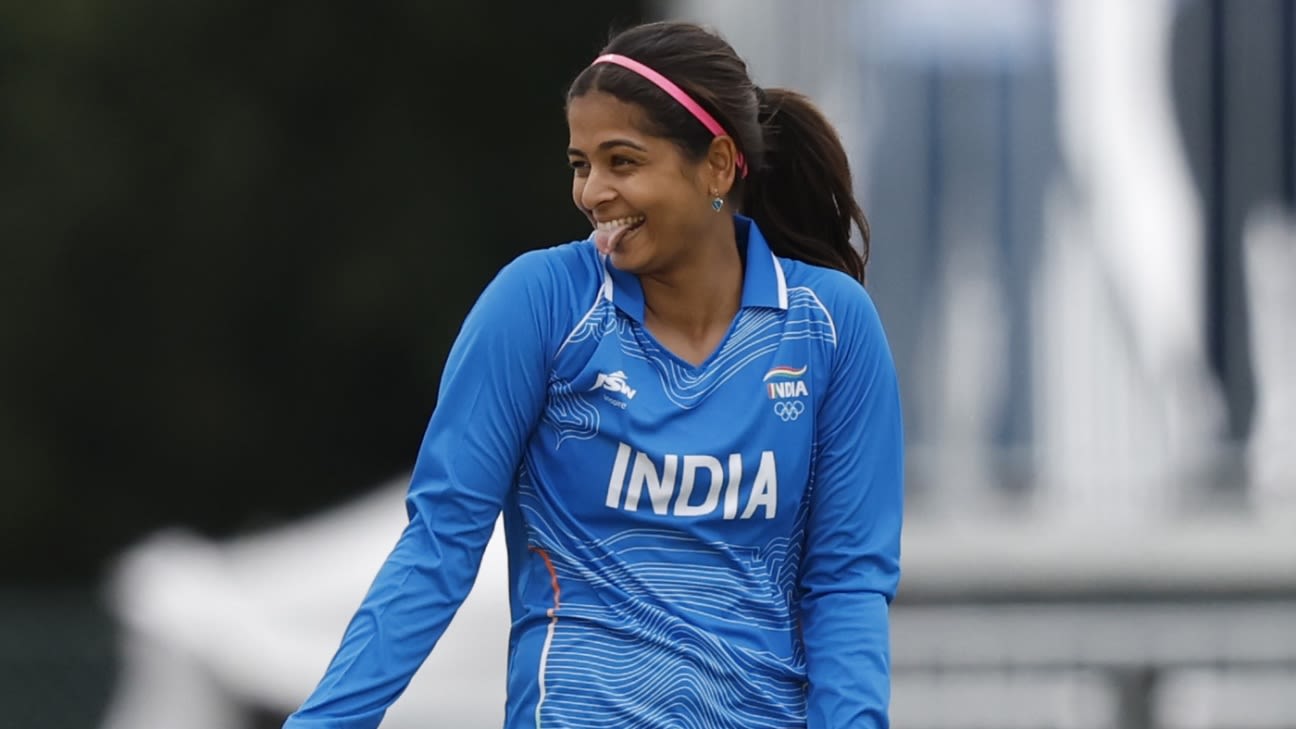
Perhaps the most significant narrative thread woven into these squad announcements is the reintegration of Shreyanka Patil. An offspin-bowling allrounder, Patil’s absence from India's recent squads against South Africa was a notable omission that left questions regarding the depth of the spin department. Her inclusion in all three squads for the England A series suggests a concerted effort to reintegrate her skill set into the core of the developmental pipeline.
Patil’s presence is a stabilizing force. In the modern game, an allrounder who can control the middle overs with offspin while providing lower-order batting depth is a luxury that becomes a necessity in multi-format series. Her inclusion across the T20s, the one-dayers, and the four-day match ensures that the team has a consistent tactical weapon available, regardless of the tempo of the game.
The series is geographically and temporally spread, forcing the players to adapt to different environments across the subcontinent. The journey begins on November 30 in Pune, where the three T20 matches will set the tone.

From there, the intensity shifts on December 8, as the teams transition into three one-day matches. This middle phase of the series serves as the bridge between the sprint of the T20s and the marathon of the final encounter. The series will reach its crescendo on December 19 at the Wankhede Stadium in Mumbai. The move to the Wankhede for a one-off, four-day match provides a grand stage for the final test of endurance, placing the players in one of the most storied venues in the sport.
While the leadership and certain key personnel have shifted, the squads are not entirely without familiarity. Several players who demonstrated their capability in recent outings against South Africa and Australia A have retained their positions, providing a necessary backbone of experience. This continuity is vital; it allows the team to build on recent successes and provides a sense of stability amidst the rotating door of developmental cricket.
Yet, the BCCI has also looked toward the future by introducing fresh talent into the mix. The selection of Sanika Chalke and Vrinda Dinesh represents the infusion of new blood required to keep the competitive standard high. These new faces enter a squad that is a mix of proven performers and rising stars, creating a competitive internal environment where every player must fight to justify their place in the hierarchy.
As the squads take the field, the objective remains clear: performance under pressure. The series against England A is not merely about winning matches; it is about proving readiness for the senior national team. For players like Priya Punia, who has shown flashes of brilliance—including a notable 46-run contribution in a recent India A victory—the series is an opportunity to turn potential into permanence.
With the captaincy split, the return of key allrounders, and a schedule that spans three distinct formats, the India A side is positioned to undergo a rigorous examination. As they move from the lights of Pune to the historic atmosphere of Mumbai, the players will find out exactly where they stand in the evolving landscape of Indian women's cricket.