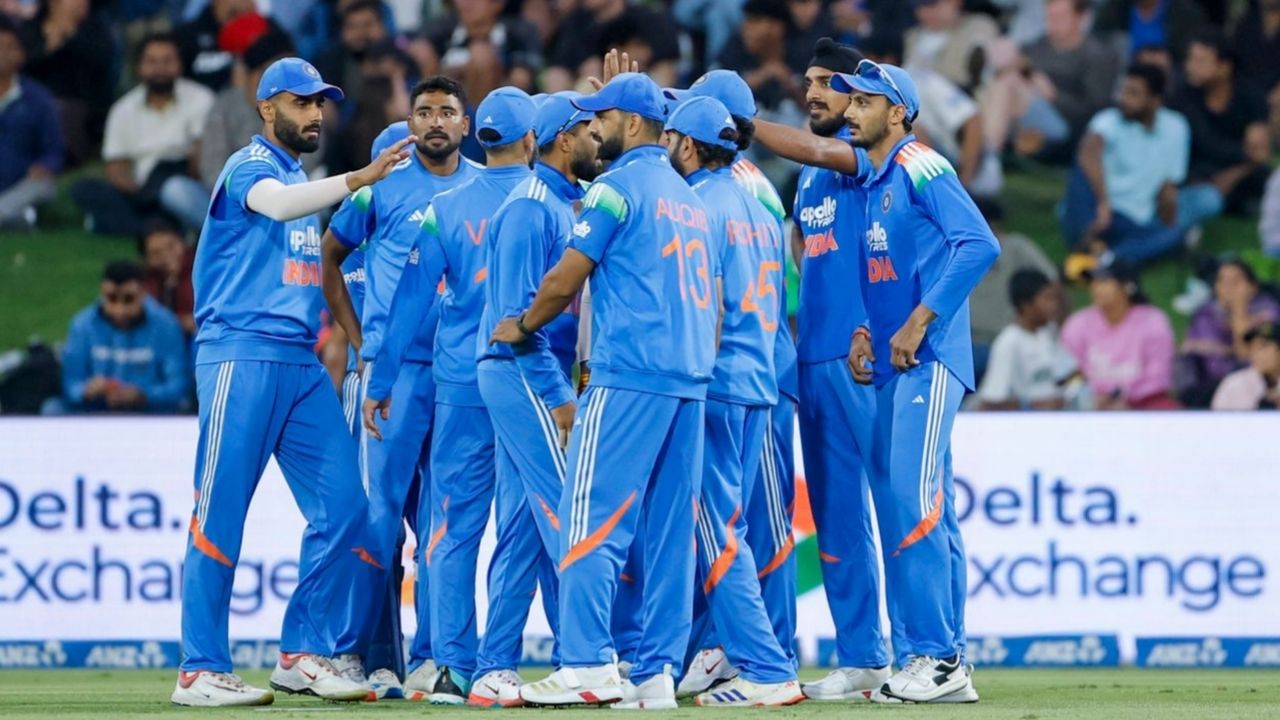
There is a specific weight to a date in a calendar. For millions of people in India, that weight is about to drop heavily on two days in the next five years. The International Cricket Council, the sport’s global governing body, has just released the schedule for major tournaments through 2035. The headline grab is obvious: India is set to host two major events in quick succession. But the real story isn't just about the tickets India will sell. It is about how the ICC has structured the global stage, effectively turning a single host nation into a central hub for the sport’s most prestigious competitions. This isn't a minor scheduling tweak; it is a structural shift that puts Indian infrastructure and fan culture at the center of the cricket world for the foreseeable future.
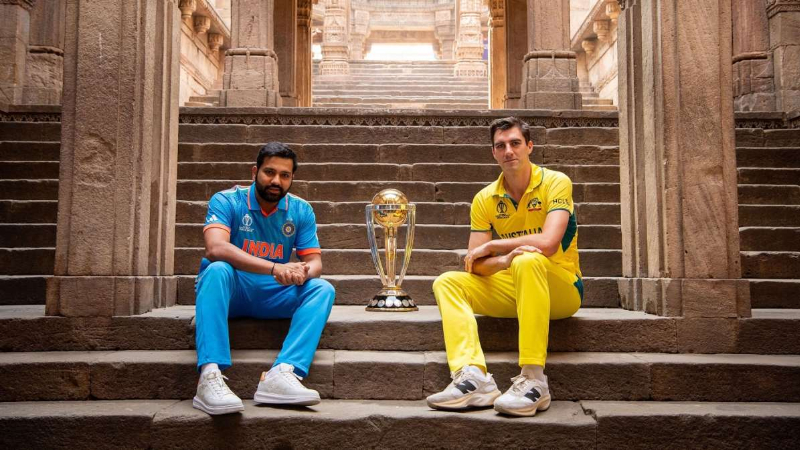
The first major stop in this new timeline is 2029. The Champions Trophy, a tournament that typically features the top eight teams from the world’s top leagues, will be held exclusively in India. This is significant because it is a standalone event. Unlike other competitions that might rotate through multiple countries, the 2029 trophy belongs to one nation. For a newcomer to the game, think of this as the 'Super Bowl' of limited-overs cricket, but with a smaller, elite field. By awarding it to India, the ICC is betting on the nation’s ability to deliver a polished, high-stakes product without the logistical complexity of a co-hosted event. This move recognizes that India has the stadiums, the broadcasting infrastructure, and the domestic fan base to support a major international gathering without needing a partner. It is a statement of confidence in India’s standalone operational capability on the world stage.
The second, and arguably more complex, event is the 2031 World Cup. This time, the hosting rights are not solely India’s. The 2031 One-Day World Cup will be co-hosted by India and Bangladesh. This is a pivotal moment in the sport’s global expansion. Cricket has traditionally been anchored in a few key nations, but the inclusion of Bangladesh as a co-host signals a broader effort to spread the economic and cultural benefits of the game across the subcontinent. For the reader new to the politics of international sports, a co-hosted World Cup is a massive logistical undertaking. It requires two nations to align on venue preparation, security protocols, and travel logistics. By pairing these two countries, the ICC is likely trying to leverage a shared cultural and regional affinity to create a more seamless viewing experience for fans traveling between the two. It turns the World Cup into a regional tour rather than a static event, deepening the roots of the sport in South Asia.
This clustering creates a 'hosting window' that keeps India at the forefront of the global cricket calendar.

ICC locks cricket calendar till 2035: India to host 2029 Champions Trophy, co-host 2031 World Cup
The span between these two events is crucial. They are separated by just two years, fitting entirely within the next five-year horizon. This clustering creates a 'hosting window' that keeps India at the forefront of the global cricket calendar. Most nations wait decades between major tournaments. India will wait less than three years between a Champions Trophy and a World Cup. This rhythm suggests that the ICC views India not just as a market, but as the primary engine for the growth of international cricket. The implication for broadcasters, sponsors, and fans is profound: the next five years will be dominated by the infrastructure and hype cycles associated with Indian venues. Every major team will have to plan their touring schedules around India’s availability, making the subcontinent the gravitational center of the game.
The announcement doesn’t stop at 2031. The ICC has published the schedule all the way to 2035. This long-range planning is a tool for stability. In a sport as volatile as cricket, where format changes and political disputes can disrupt calendars, a published schedule through 2035 offers a beacon of predictability for stakeholders. It allows countries to plan their domestic leagues to avoid conflicts with the 2029 and 2031 events. It also allows the Indian cricket board to begin long-term infrastructure projects. Strenuous work on stadium upgrades, training facilities, and security systems can begin years in advance, ensuring that the 2029 and 2031 events are not just about the matches, but about showcasing a modernized cricket infrastructure. The fact that these dates are frozen in the schedule means that the planning phase is now in full swing, turning a future announcement into a current operational reality.
When you braid these facts together, a clear picture emerges. The ICC is effectively dedicating the subcontinent as the primary host region for the next decade. India takes the lead with the 2029 standalone event, proving its capability, and then invites Bangladesh to share the stage in 2031, demonstrating a collaborative model. This isn't just about hosting; it's about consolidation. By centralizing the most prestigious events in South Asia, the ICC is reinforcing the region's dominance in the sport. For the casual observer, this means that the next few years of international cricket will be defined by the energy, scale, and logistical challenges of Indian and Bangladeshi venues. The global calendar has been redrawn, and the epicenter is now firmly placed in the subcontinent, with India as the primary anchor holding the structure together for the next five years.