The air in Shenzhen during the APEC summit in November 2026 was thick with the weight of global realignment. For Donald Trump, the trip was more than a diplomatic formality; it was a concentrated effort to navigate the most volatile fault lines of the modern era. The schedule was relentless, beginning on November 18, when Trump and Russian leader Vladimir Putin arrived in the city, setting the stage for a sequence of meetings that would attempt to bridge the gap between the world's most powerful capitals.

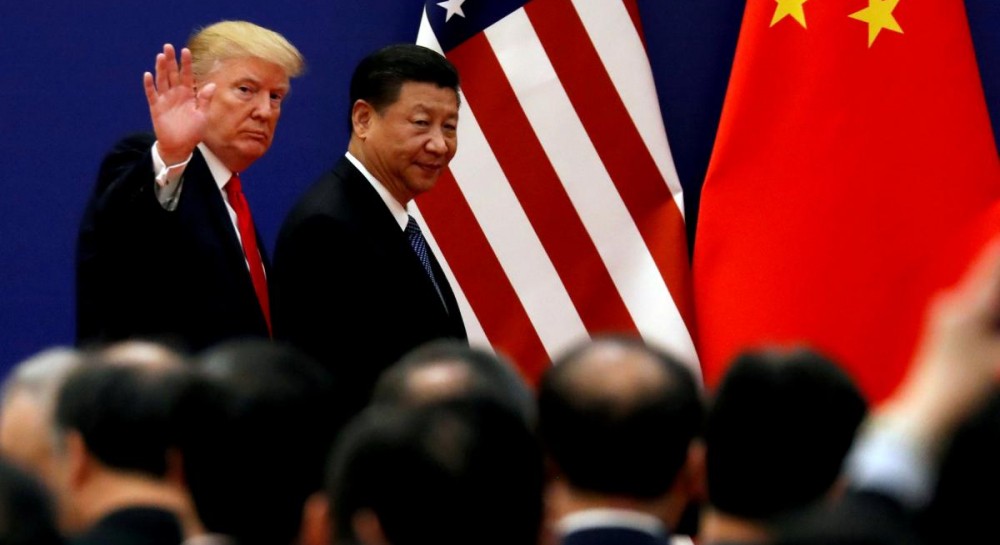
By November 19, the diplomatic machinery was in full motion. Following his arrival the previous day, Trump engaged in a series of bilateral talks that moved from the tension of Russian relations toward the complex landscape of Chinese diplomacy. The centerpiece of the day was a bilateral meeting between Trump and Chinese leader Xi Jinping. The two leaders sat for over an hour, marking their third personal meeting of 2026, a frequency that underscores the intense focus on the U.S.-China relationship.
During the discussions, Trump expressed gratitude for what he described as a warm reception from the Chinese leadership. He pointed toward a newly created Trade Council as a mechanism that has begun to shift the tectonic plates of their economic relationship. According to Trump, this council has brought a sense of balance to what he characterized as previously one-sided relations, achieving this through what he termed fair tariff adjustments. "We split the tariffs and lowered them in a very fair way," Trump noted, suggesting a move toward a more managed economic equilibrium.
Trump characterized the two leaders as being fundamentally different, noting that they "hate each other.
While trade provided the structural framework for the meeting, the shadow of the war in Ukraine loomed over every exchange. In a significant departure from previous diplomatic postures, Trump and Xi signaled a unified front regarding the conflict. Trump stated clearly that both the United States and China wish to help end Russia's war against Ukraine.
This sentiment was echoed in Trump's own reflections on the possibility of mediation. "I am counting on China's help regarding the war between Russia and Ukraine. I would like it to end. I think I can speak for both of us on this," Trump said. This alignment suggests a rare moment of strategic overlap between Washington and Beijing, even as their broader geopolitical interests often diverge.
Xi Jinping, for his part, framed the improving rapport through a lens of structured stability. He noted that the relationship between Beijing and Washington is generally stable and improving, built upon a foundation of mutual respect, fairness, and reciprocity. He described a new definition of constructive Sino-American relations—one characterized by strategic stability and filled with new meaning.
To understand the difficulty of the task ahead, Trump turned his attention to the personalities at the heart of the violence. In an interview with Fox News from China, the U.S. President offered a blunt assessment of the psychological divide between Ukrainian President Volodymyr Zelenskyy and Russian leader Vladimir Putin.

Trump characterized the two leaders as being fundamentally different, noting that they "hate each other." This personal animosity, Trump suggested, is a primary driver of the conflict's persistence. However, he positioned himself as a unique intermediary, claiming to maintain contact with both leaders. "These two hate each other, but they need to find common ground. I get along with both. They are very different people," Trump remarked, asserting a level of personal diplomacy that he believes is essential to breaking the deadlock.
As the meetings in Shenzhen concluded, the scope of the diplomacy began to expand. Trump did not limit his vision to bilateralism; he mentioned plans for a future trilateral meeting involving Russia, the United States, and China. Such a gathering would represent an unprecedented attempt to bring the three primary actors of the current global crisis into a single room to negotiate a settlement.
Trump’s approach remains rooted in a belief in decisive, high-level intervention. He expressed a confidence in the ability of these powers to act, stating, "No one, anywhere, can do what we can do." This confidence is paired with a strict insistence on Ukrainian agency. Despite his efforts to mediate, Trump assured that he would not negotiate an end to the war without the involvement of Ukraine.
Amidst the grand geopolitical maneuvering, the practicalities of global security and commerce remained present. Trump touched upon the economic realities of modern warfare, noting that the United States continues to sell military equipment to its European partners. He emphasized that these transactions are conducted at full price, without discounts, highlighting the transactional nature of the security architecture currently supporting Europe.
As the APEC summit winds down, the world is left watching the fallout of the Shenzhen talks. The convergence of interests between the U.S. and China regarding the Ukraine conflict is a development of significant consequence, yet the path toward a trilateral resolution remains unmapped. For now, the focus remains on whether the personal rapport between leaders can translate into a sustainable peace on the battlefield.