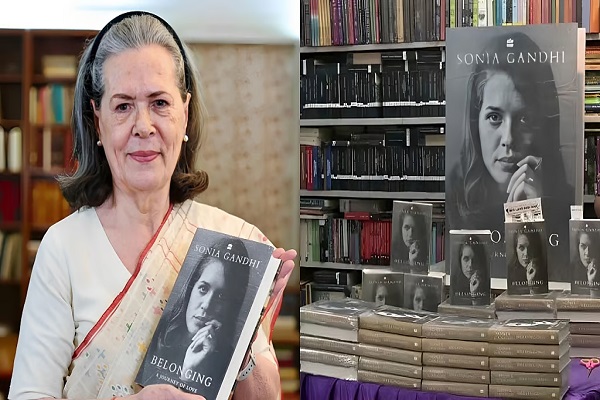
In the spring of 2004, India held its breath. The Lok Sabha elections had delivered a stunning result: the United Progressive Alliance (UPA), led by the Indian National Congress, had secured a victory. But the question on everyone’s lips wasn’t who had won, but who would lead. All eyes turned to Sonia Gandhi, the widow of former Prime Minister Rajiv Gandhi and the president of the Congress party. She was the natural choice, the face of the victorious coalition, and widely expected to become India’s next Prime Minister. Yet, as she recounts in her recently published memoir, Belonging: A Journey of Love, she found herself wrestling with a profound internal conflict.
For many, the idea of Sonia Gandhi as Prime Minister felt inevitable. She had revitalized the Congress party after years in the opposition, and her leadership was credited with the UPA’s success. But the path to power wasn’t straightforward. There was a swell of opposition, fueled by her Italian origins – a narrative that questioned her ‘Indianness’ and suitability for the highest office. This external pressure, however, wasn’t the primary force driving her decision. Instead, as her memoir reveals, the struggle was deeply personal, a matter of listening to what she describes as her ‘inner voice.’
The days following the election win were a whirlwind of meetings and deliberations. Sonia Gandhi details the immense pressure she felt, not just from within her party, but from the nation at large. She describes a moment of intense introspection, a conversation with herself where she repeatedly questioned whether she was truly the right person for the job. “Sonia, be true to your conscience,” she recalls thinking. “You knew it all along. Just let it go.” This wasn’t a rejection of the opportunity, but a reckoning with the immense responsibility and a deep-seated belief that another leader might be better suited to navigate the complexities of the role.
His response, as she recounts, was unequivocal: “This is the right decision.
Central to her thinking was the need for a stable government. The UPA coalition was reliant on the support of Communist parties, a potentially fragile alliance. She recognized that her leadership, given the existing opposition, might jeopardize the coalition’s unity and, consequently, the economic policies she believed were crucial for India’s progress. This wasn’t about personal ambition, she insists, but about prioritizing the nation’s interests.

"He Tends To Look Away, Avoiding Eye Contact": Sonia Gandhi On PM Modi @aishvaryjain reports https://t.co/CQ4DXbsFIs
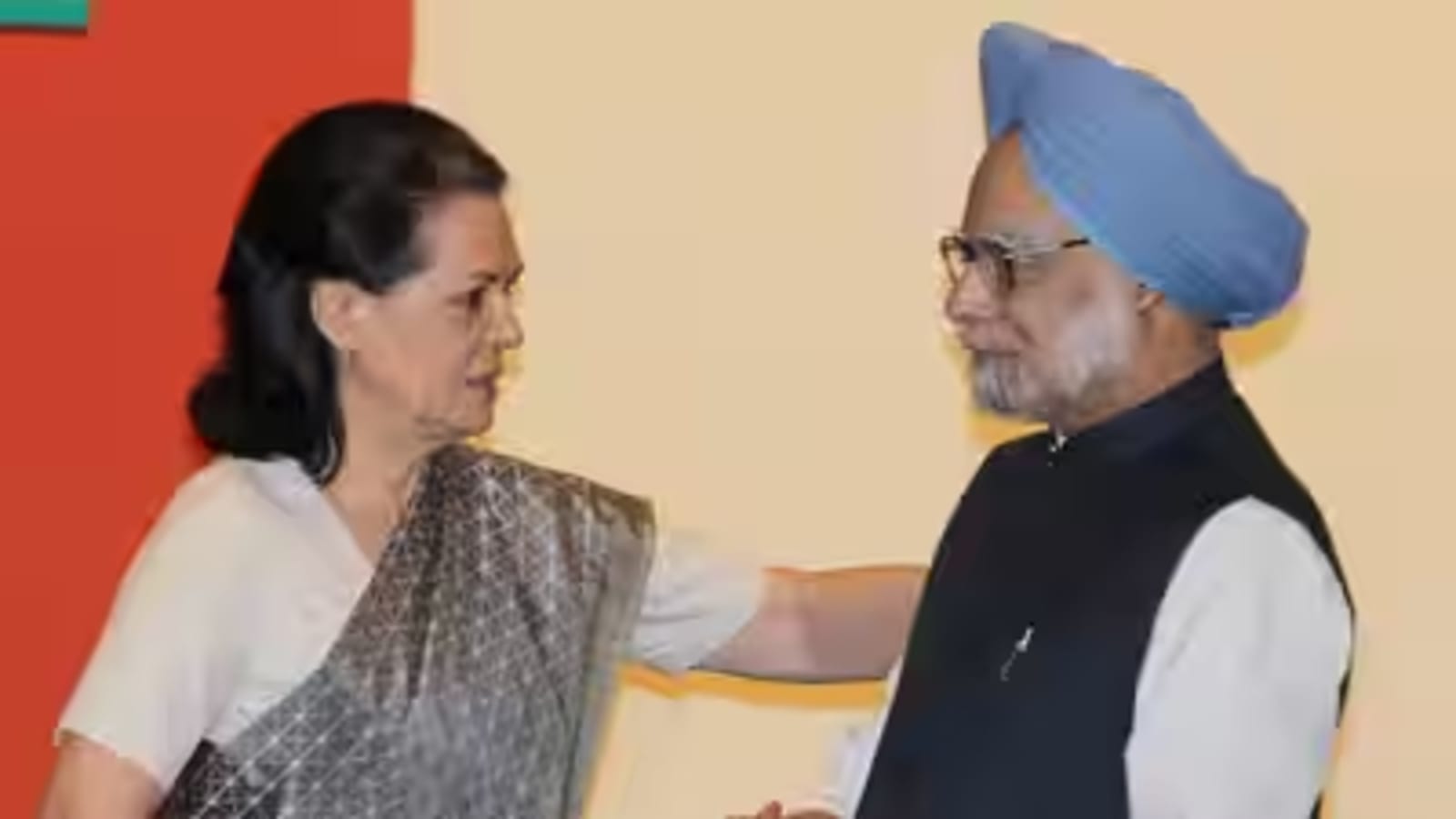
Her thoughts turned to Dr. Manmohan Singh. A seasoned economist and a respected figure in Indian politics, Singh had played a pivotal role in the economic reforms of the 1990s. Sonia Gandhi saw in him a leader with the administrative experience, integrity, and vision to steer India forward. She believed his presence at the helm would instill confidence in the government’s economic agenda, particularly among the Communist parties and the financial markets.
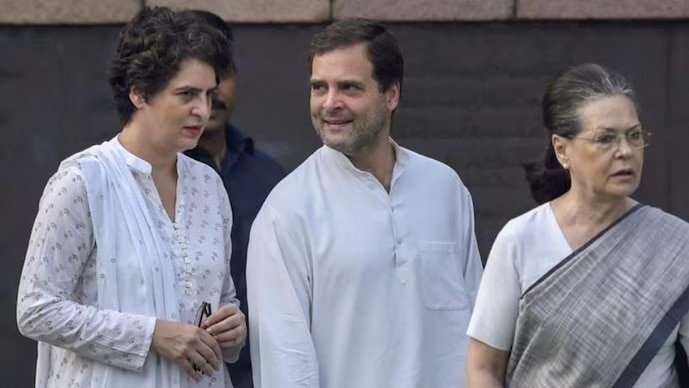
She discussed her inclination with her son, Rahul Gandhi, seeking his counsel. His response, as she recounts, was unequivocal: “This is the right decision.” This support, she notes, was crucial in solidifying her resolve. The choice wasn’t simply about finding a capable leader; it was about ensuring a smooth transition and a government capable of delivering on its promises.
On May 18, 2004, Sonia Gandhi surprised the nation by publicly declining the Prime Ministership. In a televised address, she nominated Manmohan Singh as her successor. The decision was met with a mix of shock and admiration. Critics questioned her motives, while supporters praised her selflessness. The move, however, proved to be strategically astute. Manmohan Singh, with his decades of experience and reputation for integrity, quickly established himself as a credible and effective leader.
The UPA government, under Singh’s leadership, went on to serve two full terms, implementing policies that fostered economic growth and social inclusion. The stability of the coalition, despite its ideological diversity, was a testament to the wisdom of Sonia Gandhi’s decision. She remained a powerful figure within the Congress party, serving as its president and wielding significant influence over government policy.

Sonia Gandhi, in her memoir, recalls senior Congress leaders who guided her during her early years in politics. -Sonia Gandhi: Pranab could be short-tempered -Sonia Gandhi: Pranab left Congress after Rajiv became PM -Sonia Gandhi: Pranab felt sidelined after Rajiv's elevation @MohitBhatt90 shares more details with @prathibhatweets
Today, nearly two decades later, Sonia Gandhi’s decision remains a subject of debate and analysis. Her memoir offers a rare glimpse into the inner workings of Indian politics and the personal sacrifices leaders make in the service of their nation. She doesn’t frame her choice as a moment of heroic self-denial, but as a pragmatic assessment of what was best for India at that particular juncture. The story highlights the often-unseen complexities of political leadership and the weight of responsibility that comes with holding the highest office. While the question of what might have been had she accepted the Prime Ministership will always linger, her memoir offers a definitive answer to why she didn’t – a decision guided by conscience, a commitment to stability, and a belief in the capabilities of a trusted colleague.