
On the morning of November 15, 2026, what began as a routine ascent from Pune International Airport quickly transformed into a tense exercise in aviation crisis management. IndiGo flight 6E 0623 had just begun its journey toward Guwahati, climbing away from the runway, when a mechanical reality set in: the landing gear failed to retract. For the crew and the passengers, the flight was no longer about reaching the destination; it was about managing a machine that was now flying in an unexpected configuration.
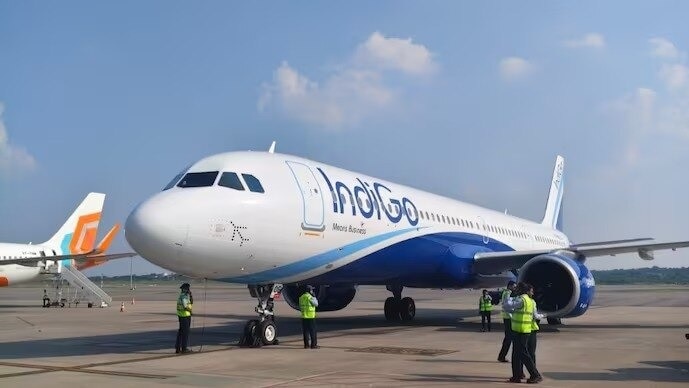
In the immediate aftermath of the takeoff, the technical fault became apparent. The landing gear, the assembly of wheels and struts, remained extended. As the crew identified the malfunction, they immediately triggered Standard Operating Procedures (SOPs), notifying Air Traffic Control (ATC) and the relevant authorities of the situation. The decision was made to divert the aircraft back to its point of origin.
As the aircraft circled back toward Pune, the gravity of the situation escalated from a technical snag to a full-scale emergency. The Indian Air Force declared a full emergency to ensure that all necessary resources were mobilized. At Pune Airport, a complex web of coordination began to spin, involving ATC, IndiGo officials, and various emergency response agencies, all working to prepare for a landing.
As the aircraft taxied, emergency services remained on high alert, standing by to respond to any secondary issues.

IndiGo flight returns to Pune after landing gear malfunction; all 192 on board safe Read @ANI Story | https://t.co/WR5Q7jXSAk #IndiGo #flight #malfunction https://t.co/NHMrNE5EO3
Before the final approach, the flight crew performed a calculated maneuver: a low pass. By flying the aircraft low over the ground, they allowed officials on the tarmac to conduct a visual assessment of the landing gear. It is a bridge between the uncertainty of the cockpit and the tangible reality of the runway.
For the 192 people on board—comprising both passengers and crew—the experience was defined by a ninety-minute window of waiting. While the aircraft remained airborne, circling and navigating the complexities of its mechanical state, the tension within the cabin was matched by the activity on the ground. The flight was not a sudden crash, but a prolonged period of waiting, as the crew managed the aircraft and the authorities prepared for the moment of impact.

IndiGo flight 6E 0623 (VT-IZE) from Pune to Guwahati, carrying 192 people including passengers and crew, landed safely at Pune Airport at 9:04 am after the pilot reported that the landing gear had failed to retract after take-off and remained extended. Pune Airport authorities coordinated with ATC, IndiGo and other agencies, and the Indian Air Force declared a Full Emergency. Fire services, ambulances and emergency teams were placed on high alert. As a precaution, the aircraft made a low pass over the runway so the landing gear could be visually assessed before landing. After landing, the aircraft was escorted to Bay No. 7 by three fire-fighting vehicles and two ambulances. Once it was confirmed safe and normal, the Full Emergency was withdrawn at 9:10 am. The aerobridge was connected and all passengers deboarded safely, with no injuries reported. IndiGo is arranging an alternate aircraft from Bengaluru to Pune to take the affected passengers on to Guwahati. Officials said the response was prompt and coordinated, following established emergency procedures, with passenger and crew safety the highest priority. #PuneAirport #IndiGo #AviationNews #EmergencyLanding #PuneNews
At 9:04 AM, the tension broke with the sound of tires meeting the runway. Flight 6E 0623 landed safely at Pune International Airport. As the aircraft taxied, emergency services remained on high alert, standing by to respond to any secondary issues. The landing was successful, and the immediate threat to the lives of those on board had passed. By 9:10 AM, the intensity of the situation had subsided enough for ATC to withdraw the full emergency status.
Once the aircraft was secured, the focus shifted from survival to logistics. All 192 passengers and crew members deboarded the plane safely, reporting no injuries. To mitigate the disruption, IndiGo moved quickly to manage the fallout. The airline arranged for an alternative aircraft, sourced from Bengaluru, to transport the passengers to their original destination in Guwahati. While the passengers waited, the airline provided food and refreshments, attempting to restore a sense of normalcy to a morning defined by mechanical failure.


An IndiGo flight from Pune to Guwahati carrying 192 people had to return to Pune airport on Sunday morning after developing a technical glitch soon after take-off. IndiGo flight 6E 0623 landed safely, and all passengers and crew members were reported to be safe. Read here: https://t.co/yGhwfJrzb7 #IndiGo #PuneAirport #FlightEmergency #dnadigital
While the passengers were being rerouted, the aircraft itself remained under the scrutiny of maintenance teams. IndiGo confirmed that the flight returned to Pune after the technical snag was detected, and the plane is currently undergoing maintenance to determine the exact cause of the gear failure. The airline issued an apology to those affected, emphasizing that passenger safety and convenience remain their primary priorities. As of now, the investigation into why the gear failed to retract remains underway.