
Russell Brand, a well‑known figure, has been at the centre of a heated controversy since his conviction on November 5, 2023, for rape and sexual assaults. The latest development in this saga involves his wife, Laura Gallacher, who has found herself in the spotlight after sharing a message from Brand proclaiming his innocence. This move has sparked a significant amount of debate and has led to government requests for the removal of the video from YouTube.
The video in question, which has garnered over one million views, features Brand asserting his innocence. Despite the government's requests for its removal, the video remains available on YouTube, where Brand's channel boasts an impressive 6.6 million subscribers. This situation has raised questions about the responsibility of social‑media companies in handling such content. Andy Burnham, among others, has called on these companies to show more responsibility, stating, “I would first say to the social media companies, show some responsibility here.”
Laura Gallacher, in the midst of this controversy, has made it clear that she intends to honour the parameters set by prison staff. When asked about her decision, she affirmed, “I will absolutely honour that.” This statement suggests that Gallacher is aware of the rules surrounding communication with her husband while he is incarcerated and is committed to adhering to them. Her supportive stance towards Brand is also evident in her decision to continue with her Sunday‑service podcast, albeit without including messages from him. As she explained, “I am choosing to continue Sunday service because I really enjoy it.”
The events leading to the current situation began on November 5, 2023, with Brand’s conviction.
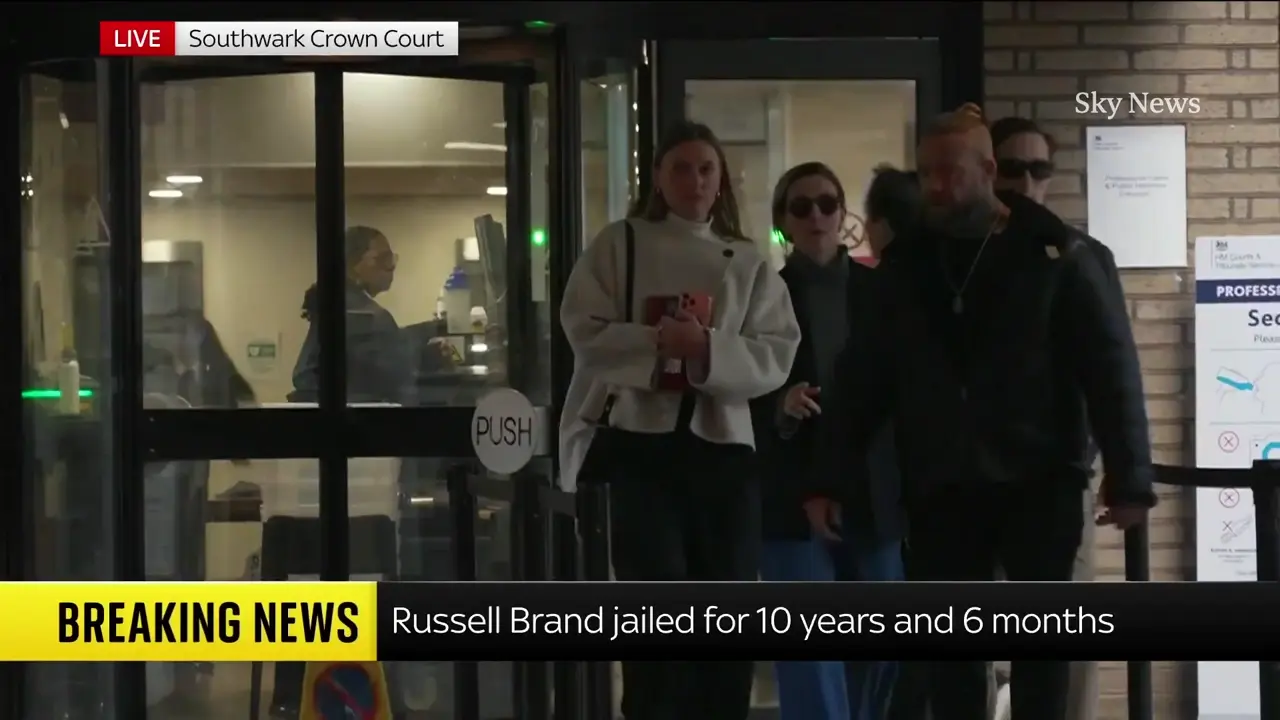
Russell Brand is currently serving a 10.5‑year sentence for his crimes. This significant prison term underscores the seriousness of the offences for which he was convicted. The fact that Brand continues to protest his innocence, as seen in the video shared by Gallacher, adds another layer of complexity to the situation.
The controversy surrounding the video has brought to the fore the issue of how social‑media platforms handle content related to criminal cases and prisoner communications. Andy Burnham’s call for companies to “show some responsibility” reflects a broader concern about the potential impact of such content on public discourse and the legal system. The decision by YouTube to keep the video online, despite government requests, suggests that platforms are grappling with how to balance free speech with societal responsibility.
The events leading to the current situation began on November 5, 2023, with Brand’s conviction. Later, on November 22, 2026, Gallacher shared the video of Brand proclaiming his innocence, which was followed by immediate government requests for its removal. This timeline indicates a swift response from authorities to what they perceived as inappropriate content, given Brand’s status as a convicted offender.
The implications of Gallacher’s actions and the stance of social‑media companies are multifaceted. They touch on issues of free speech, the rights of prisoners, and the responsibility of those who manage online platforms. The critical stance taken by figures like Andy Burnham underscores societal concern with how such situations are handled. Meanwhile, Gallacher’s supportive stance towards her husband, coupled with her commitment to follow prison rules, adds a personal dimension to the controversy.

The debate surrounding Russell Brand’s case and the role of social media in similar situations is ongoing. It involves discussions about the balance between allowing individuals to express their innocence and the need to respect the legal process and protect the public. The fact that Brand’s video remains online, despite controversy, suggests that platforms are navigating these complex issues in real‑time.
As the situation continues to unfold, it is clear that the controversy surrounding Russell Brand and the actions of his wife, Laura Gallacher, have highlighted significant societal and legal issues. The commitment by Gallacher to honour prison rules, the stance of social‑media companies, and the reactions of public figures all contribute to a complex narrative that underscores the challenges of dealing with criminal cases in the digital age.