
On November 12, 2026, the coastal landscape of Iran’s Hormozgan province became the center of a sudden and unsettling report. Iranian media, drawing on information from officials, indicated that an attack had taken place in the town of Sirik. In the immediate aftermath of such an event, the instinct is to seek the "who" and the "how," but in this instance, the fundamental details have remained elusive.
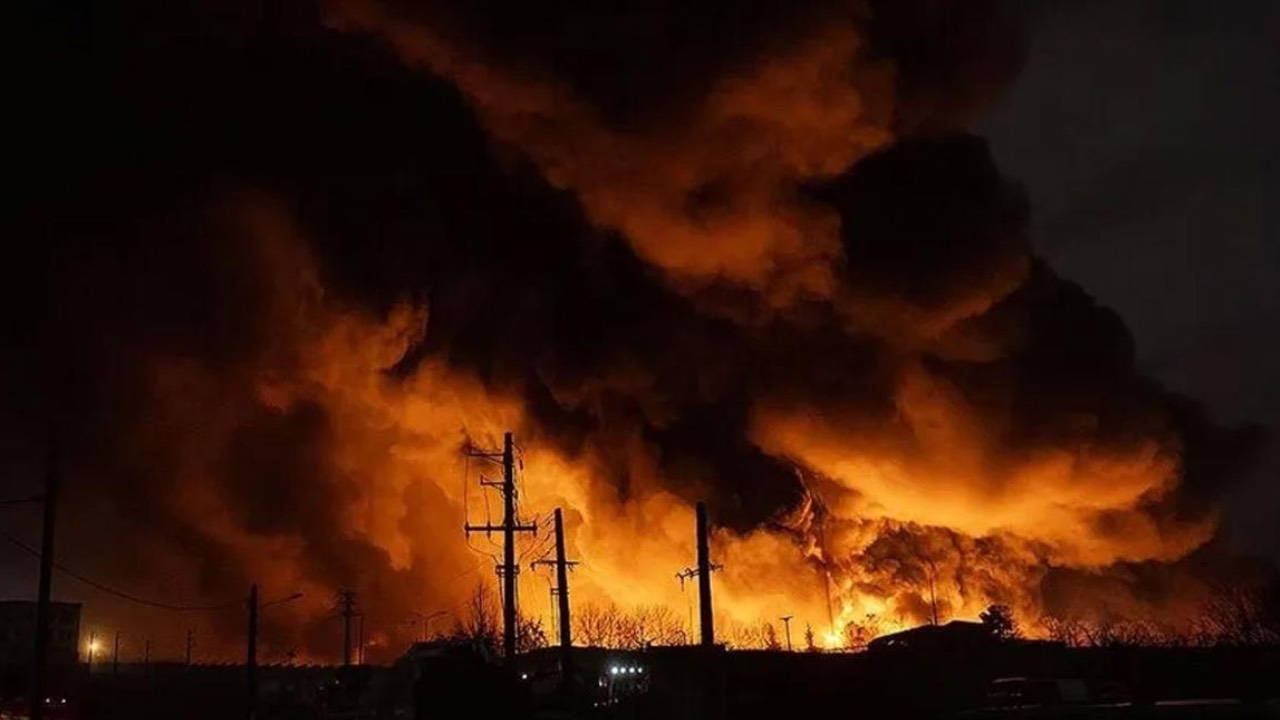
When media outlets report an event by "citing officials," it often signals a moment of profound transition—a period where the state is aware of an incident but has not yet moved to provide a definitive account of its consequences. In Sirik, that transition has stalled. The reports have arrived, but the specifics have not.
The information emerging from the region is characterized by a striking absence of detail. While the occurrence of an attack has been noted, the essential components of such a report are missing. There has been no clarification regarding the nature of the attack—whether it involved aerial strikes, ground maneuvers, or other means—nor has any specific perpetrator been identified.
Amidst the reports from Hormozgan, a different tension has surfaced regarding the role of U.
Perhaps most telling is the silence regarding the human and material cost. As of now, there are no official statements detailing casualties, injuries, or the extent of any material damage sustained in the province. This lack of data creates a vacuum, leaving the true scale of the event in Sirik entirely unquantified.

⚡️🚨 Reports of explosions and an attack in Sirik, Hormozgan province, southern Iran. According to unconfirmed reports, monitoring channels cite US attacks on the Sirik region. Residents heard several explosions, and no official confirmation has been issued.
As the situation in southern Iran develops, the international community is simultaneously navigating a separate set of claims and denials that heighten the sense of regional volatility. Amidst the reports from Hormozgan, a different tension has surfaced regarding the role of U.S. Central Command, known as CENTCOM.
Reports had circulated suggesting that CENTCOM had requested that Israel prepare for a renewed war with Iran. However, CENTCOM has moved to deny these reports, asserting that no such request was made. This denial arrives at a moment when the ambiguity in Sirik is already complicating the regional landscape, adding a layer of diplomatic friction to an already uncertain security environment.
For now, the events of November 12, 2026, remain a collection of fragmented reports and official denials. The people of Sirik and the officials in Hormozgan province are left in a state of reported conflict, while the broader geopolitical actors are engaged in a process of clarification. Without official confirmation of the damage or the identity of those responsible, the true impact of the day's events remains obscured by a fog of uncertainty.

NOW: Initial reports of explosions heard in Sarkhor Taheroi, 6km from Sirik, southern Iran. This comes following the reported launch of circa 10 ASCMs/SAMs from Bandar Abbas. Contributed by: @BeamTracker_ https://t.co/i3n85jz5rF