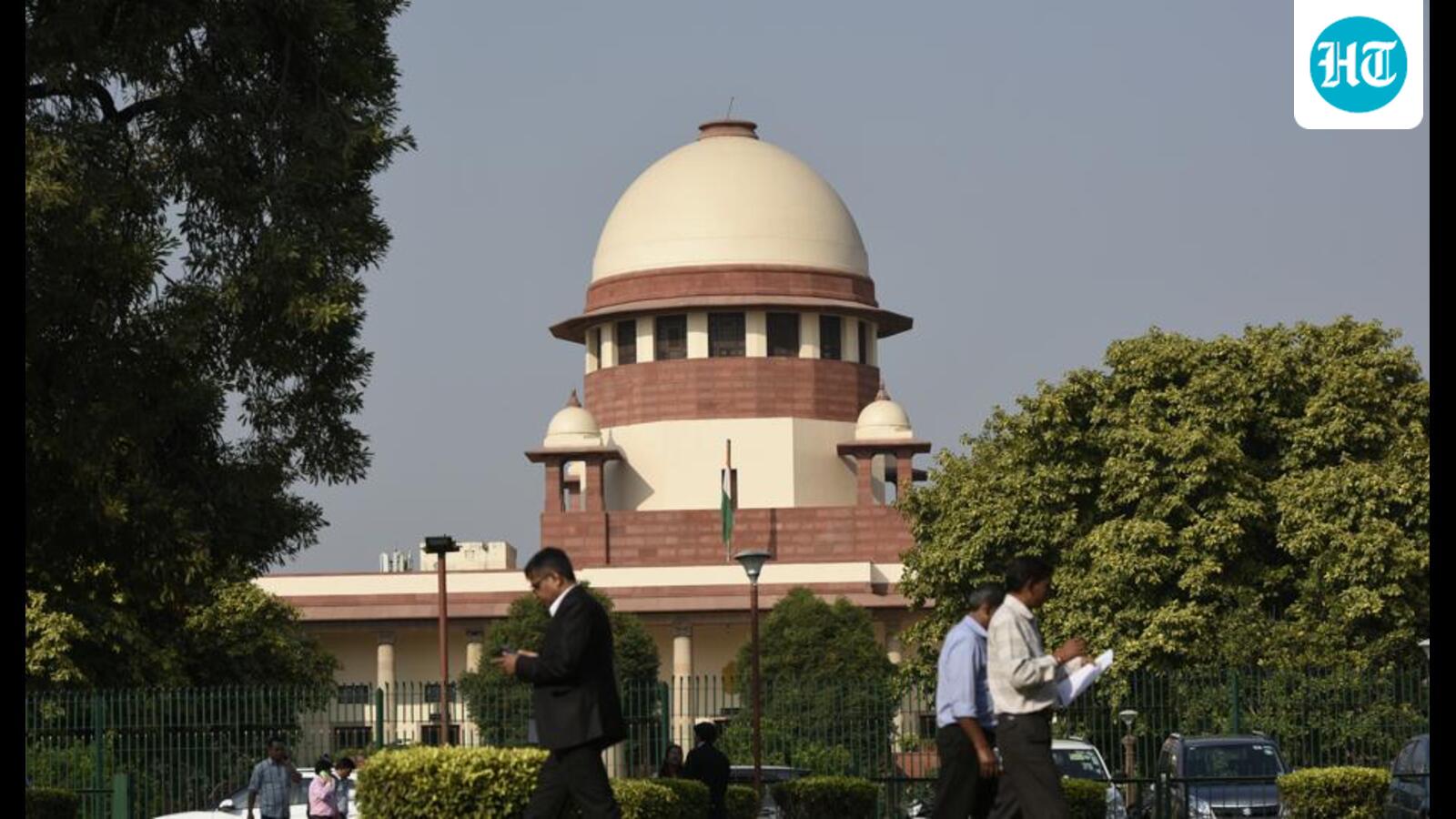
In the high-stakes corridors of India's Supreme Court, the movement of justice often feels less like a steady march and more like a series of calculated pauses. On Wednesday, that pause became a definitive halt for two of the most prominent figures in a long-running legal saga. The court declined to hear interim bail pleas for former Jawaharlal Nehru University (JNU) scholar Umar Khalid and activist Sharjeel Imam, both of whom are entangled in the legal fallout of the 2020 Delhi riots conspiracy case.
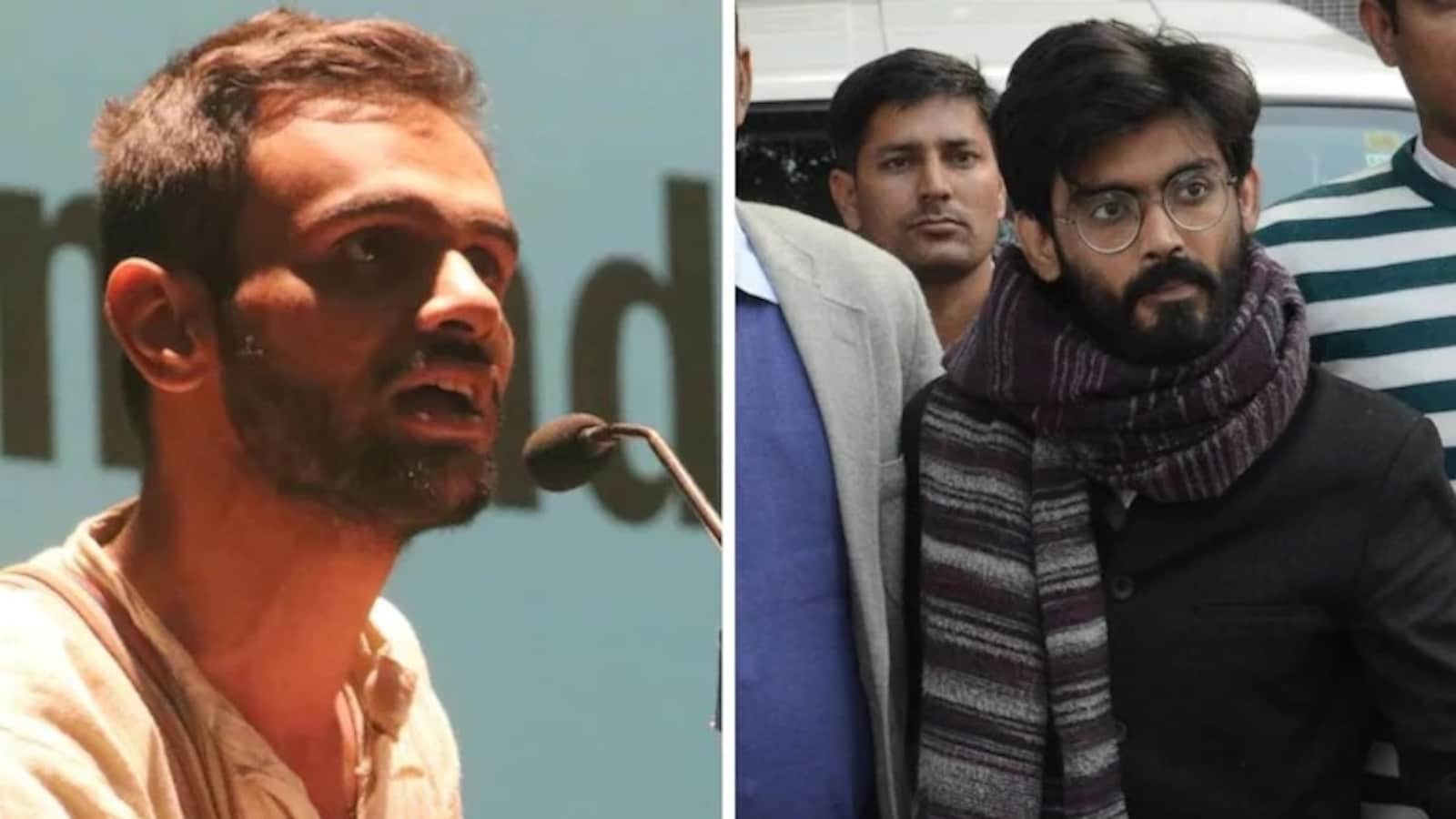
For the men at the center of the plea, the request for interim bail represented a critical moment of potential reprieve. Instead, the bench, led by Chief Justice of India Surya Kant, signaled that the path to their release is currently blocked by a much larger legal question—one that requires a broader judicial perspective to resolve.
The crux of the delay lies in the application of the Unlawful Activities (Prevention) Act, commonly known as the UAPA. This stringent anti-terror law is notorious for its rigorous standards regarding bail, often making it significantly more difficult for the accused to secure release while awaiting trial compared to standard criminal proceedings.
This distinction suggests that the court views their involvement as unique enough to prevent a simple one-to-one comparison with other defendants.
The legal community is currently grappling with a fundamental tension: how much weight should be given to the length of a trial when determining whether a person should remain in custody? The Supreme Court has recognized that this is not merely a question of individual liberty for Khalid and Imam, but a systemic question of how the UAPA should function when trials stretch on for years.
The court's refusal to entertain the pleas was not a dismissal of the merits of the case, but rather a deferral to a higher authority. The bench made it clear that any decision regarding the release of these individuals must wait for a ruling from a larger bench of judges. This larger bench is tasked with deciding whether trial delays can serve as a valid ground for bail under the specific constraints of the UAPA.
"We will not hear it today…We will have to constitute a larger bench in light of the observations made in the order dated May 22, 2026 passed in Tasleem Ahmed v State of NCT of Delhi," the Supreme Court bench stated. This reference to the May 22, 2026, order in the Tasleem Ahmed v State of NCT of Delhi case highlights that the court is following a specific procedural roadmap laid out in previous legal observations.
During the proceedings, senior advocates representing the accused attempted to build a bridge between Khalid and Imam and other individuals involved in the same conspiracy case. They argued for interim bail based on the principle of parity—the idea that if certain co-accused individuals have been granted relief, those in similar legal positions should be treated equally.
However, the court was not moved by the plea for uniformity. The bench maintained that the specific roles played by Khalid and Imam in the alleged conspiracy stand on a "qualitatively different footing" than those who have already received relief. This distinction suggests that the court views their involvement as unique enough to prevent a simple one-to-one comparison with other defendants.
Despite the refusal to grant immediate relief, the court signaled that it is not ignoring the complexities of the situation. There was a sense that the judiciary is acutely aware of the mounting legal pressures and the history of the case.
"We are aware of everything. We have done our homework and have gone through the January 5 judgment," the Supreme Court bench remarked. This acknowledgment suggests that the court is navigating a dense thicket of prior rulings and specific case details, ensuring that when the larger bench eventually meets, the groundwork for a definitive decision on UAPA bail standards is already laid.
For now, the status quo remains. Umar Khalid and Sharjeel Imam remain in custody, their fates tied to a legal evolution that is still unfolding. The decision has shifted the focus from the specific actions of the individuals to the broader mechanics of Indian anti-terror law. Until a larger bench can decide if the passage of time and the delay of a trial can act as a lever for bail, the intersection of the UAPA and personal liberty remains one of the most contested frontiers in the Indian judicial system.