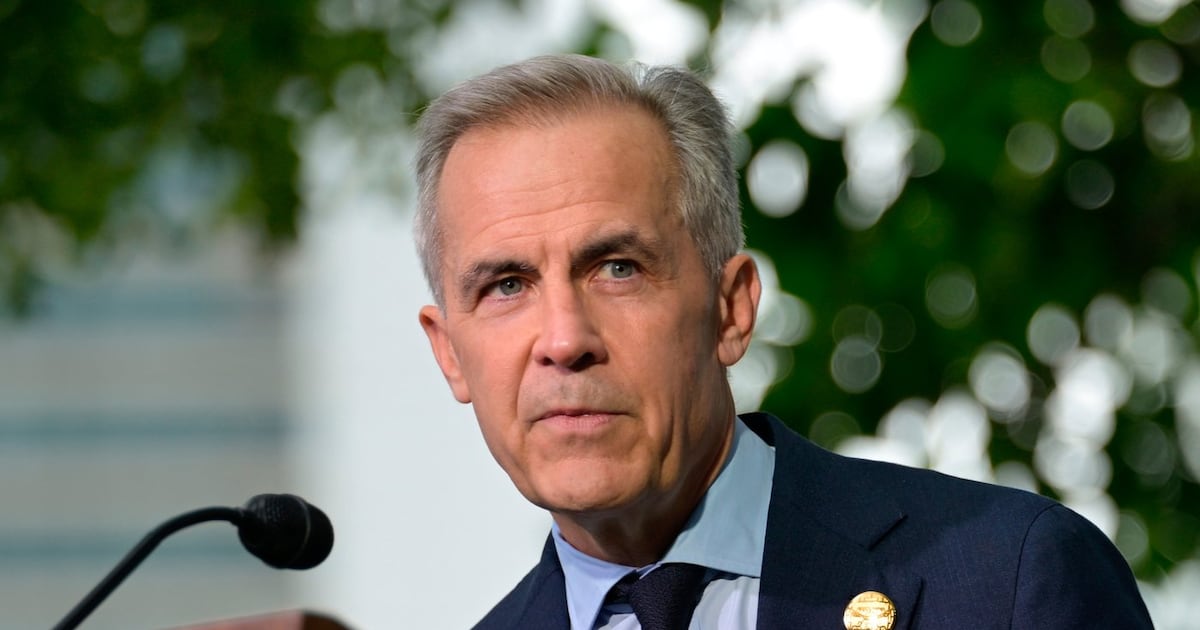
For any leader, the APEC summit in Shenzhen serves as a high-pressure crucible of international relations, but for Canadian Prime Minister Mark Carney, the stakes this year feel particularly acute. As he prepares to sit down with U.S. President Donald Trump, the atmosphere is thick with the friction of ongoing trade negotiations. The relationship between Ottawa and Washington has been strained by a series of aggressive fiscal measures. This economic barrier has forced Canada to look outward, seeking stability in a global landscape that feels increasingly volatile.

Amidst the backdrop of these U.S. tensions, questions have swirled regarding Canada’s deepening economic engagement with China. Critics within the U.S. administration, including White House adviser Peter Navarro, have signaled concern over this growing partnership. However, Prime Minister Carney has taken a measured, almost dismissive approach to these anxieties. He suggests that while the White House may be vocal about its skepticism, the reality of the President’s focus is far more nuanced. "In my conversation with the president, he's tried to understand where we are with China, where we're going with China," Carney noted. "I shouldn't speak for him, but in his hierarchy of issues, it's not the top issue at all."

CTV NEWS IN CHINA: Carney says China ties not top concern for Trump ahead of meeting https://t.co/mcrla11EiG
While the primary focus remains on securing a favorable path forward with the United States, Carney is not waiting for a breakthrough that may never come. Recently, Canada and China reached a significant trade agreement that underscores a pragmatic shift in Canadian policy. The deal provides tariff relief on Canadian agricultural exports, a vital lifeline for domestic producers facing an uncertain international market. In exchange, Canada has granted extended exemptions for Chinese steel and aluminum.
By securing the agreement with China, he is effectively hedging against the possibility of a prolonged trade war with Washington.
Carney’s strategy is one of cautious diversification. He maintains that a comprehensive deal with the United States remains his absolute priority, yet he is clearly exploring alternatives should those negotiations ultimately fail. By securing the agreement with China, he is effectively hedging against the possibility of a prolonged trade war with Washington. It is a delicate maneuver: demonstrating that Canada is a reliable partner while simultaneously signaling that it is not tethered to the whims of the American administration.

PM Carney has concluded trade negotiations with 11 SEA nations and the Philippines, opening new markets for Canadian businesses. The ASEAN deal alone could add nearly $2 billion to Canada's economy and create 14,000 jobs, reducing reliance on the US. https://t.co/XItsPyxsmN
Despite the noise from Washington and the complexities of global trade, Carney remains publicly optimistic about the trajectory of his government's efforts. "We have been making progress," he stated, referring to the broader scope of his diplomatic agenda. This progress is not merely rhetorical; it is measured in the tangible relief provided to Canadian exporters and the maintenance of key industrial exemptions. The challenge, however, lies in sustaining this momentum while the U.S. continues to exert pressure through its tariff regime.
As the summit continues, the focus shifts to the upcoming meeting between Carney and Trump. The outcome of this encounter will likely dictate the tone of North American trade relations for the foreseeable future. For now, Carney’s position is clear: he is navigating a world where the traditional alliance with the U.S. is being tested, and where the ability to forge new, independent economic paths is no longer just an option, but a necessity. The question remains whether this dual-track strategy can withstand the intensifying scrutiny of an administration that has shown little hesitation in using economic leverage as a primary tool of statecraft.

CTV NEWS IN CHINA: Carney says China ties not top concern for Trump ahead of meeting https://t.co/jP3kjKaEdL