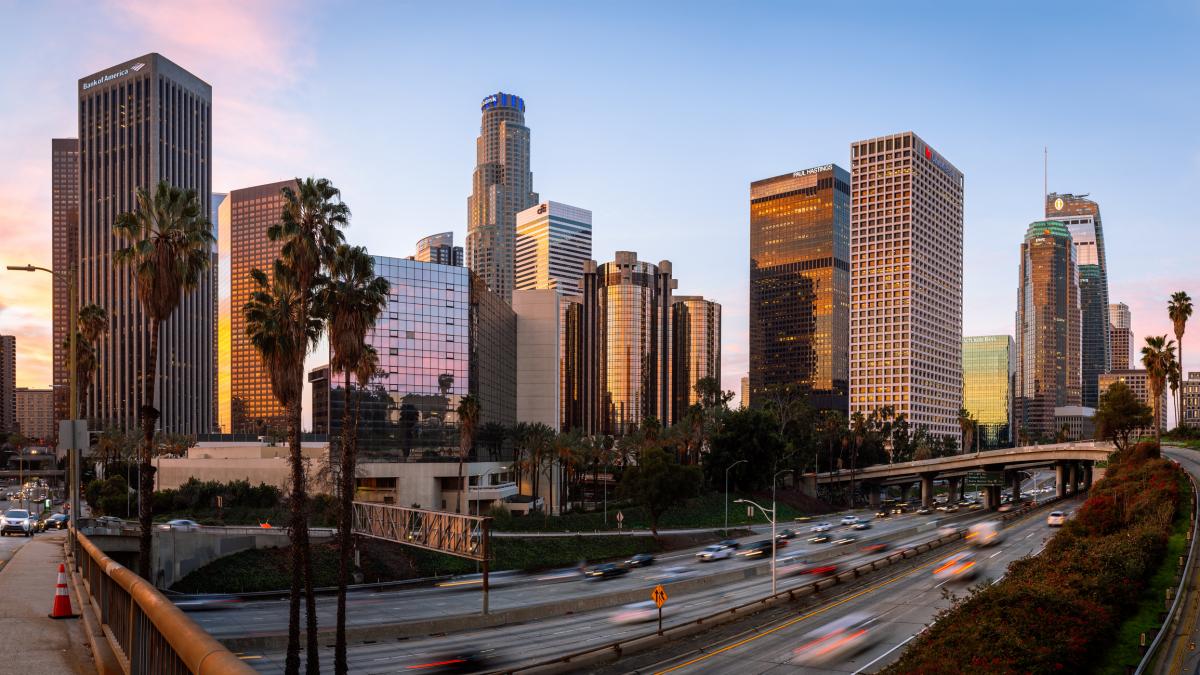
On November 28, 2026, the rhythmic stability of the Southern California coast was interrupted by a sudden, violent movement of the earth. It was not a subtle vibration, but a magnitude 5.0 earthquake that rippled through the region, catching residents and the landscape alike in its wake. For those living along the edge of the Pacific, the sensation was a stark reminder of the geological forces that constantly shape the California coastline.
According to data provided by the United States Geological Survey, the mechanics of the event were precise and localized. The epicenter was situated approximately 5 kilometers from the beaches of Los Angeles. While the proximity to the shoreline brought the energy of the quake close to the urban heart of the city, the depth of the hypocenter—the actual point within the earth where the rupture began—was recorded at 12.2 kilometers. This depth, combined with the magnitude, determined how the energy would disperse as it traveled toward the surface.
To understand the weight of this event, one must look at the seismic history of the area. This was not merely another tremor in a state defined by them; it was the largest earthquake recorded in this specific region in twelve years. For over a decade, the local tectonic plates had maintained a relative calm, making this magnitude 5.0 event a significant outlier in the recent geological record of Southern California.
As the seismic waves radiated outward from the epicenter, the tremor was felt across a wide area.
As the seismic waves radiated outward from the epicenter, the tremor was felt across a wide area. The magnitude 5.0 rating on the Richter scale indicates a release of energy capable of being felt by almost everyone in the vicinity, often accompanied by the swaying of buildings and the rattling of household objects. The reach of the quake extended well beyond the immediate coastline, touching various parts of the Southern California landscape.
In the immediate hours following the shock, the primary concern for the city was the extent of the impact on its infrastructure and its people. Despite the strength of the tremor and its status as a twelve-year high, local media reports indicated that there was no significant material or personal damage at the time of reporting. The structures of Los Angeles, built to withstand the inherent risks of the region, appeared to hold firm against the sudden surge of energy.
Even as the initial shock subsided, the earth did not immediately return to a state of rest. Several smaller aftershocks have been confirmed following the main event. These secondary tremors, though smaller in magnitude, serve as a continuing signal of the tectonic adjustments occurring beneath the surface, keeping the region in a state of heightened awareness as the crust settles into its new position.
As of now, the region remains under the watchful eye of geological monitors. While the immediate threat of damage has not materialized, the event stands as a powerful demonstration of the seismic volatility that defines the Southern California coast. The magnitude 5.0 quake has reset the local clock, marking a significant chapter in the ongoing story of a coastline constantly shaped by the movement beneath its feet.