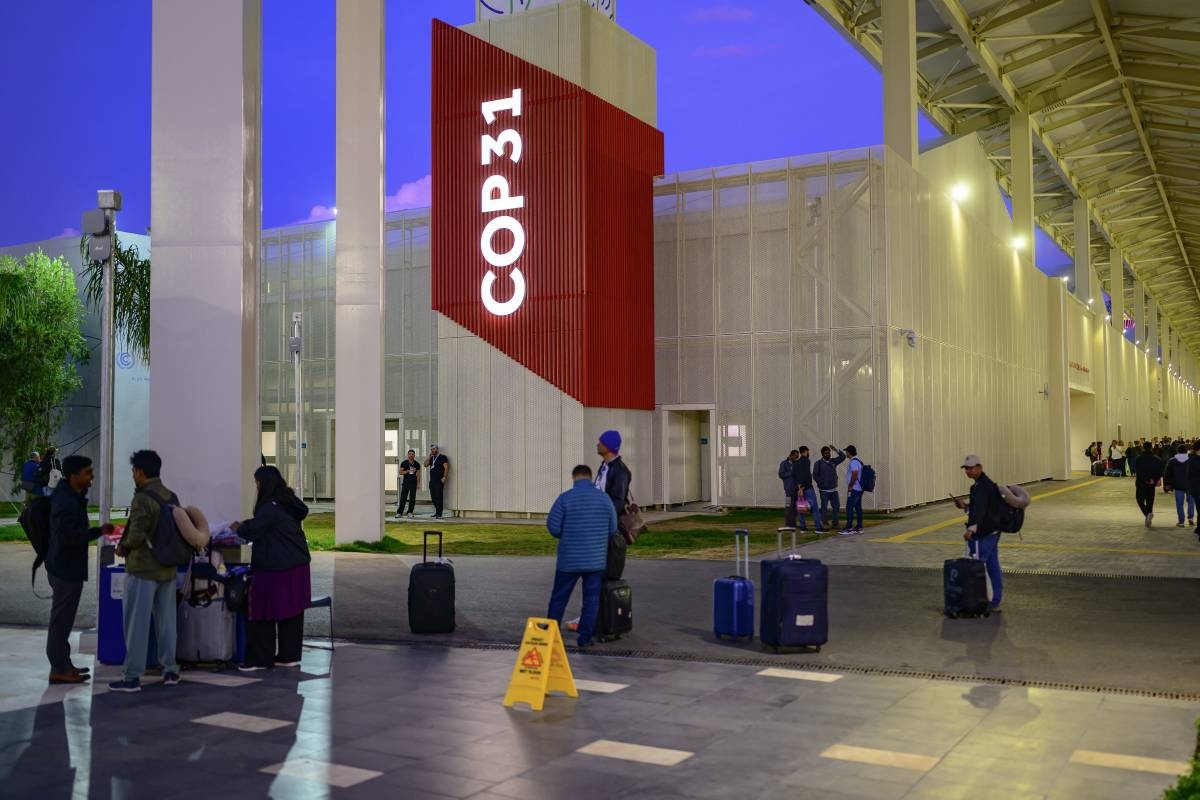
For anyone watching the labyrinthine world of international climate diplomacy, a familiar drama began to unfold as global climate talks at the UN COP31 summit in Antalya, Turkey, extended past their scheduled close. What was supposed to be the triumphant culmination of weeks of intense multilateral negotiation instead dragged into a second day of overtime on Sunday, more than 24 hours past the scheduled close. The reason for the paralysis was as stark as it was consequential: a fierce dispute over fossil fuels that threatened to scupper a final agreement altogether. Negotiations were already struggling against a difficult backdrop of geopolitical tensions and an oil price shock, creating an atmosphere where every word in the draft text carried immense weight.

The friction point emerged from what delegates saw on their screens earlier in the process. A draft deal unveiled earlier this week had initially called for a faster phase-out of fossil fuels, offering a glimmer of ambition to nations demanding structural change. But that momentum evaporated abruptly when a second, pared-down draft released on Thursday stripped away all mentions of coal, oil and gas entirely. This sudden omission of the primary drivers of planetary warming sparked immediate outrage, walkout threats, and divided nations into hardened camps.
Among around 130 countries at this COP who want a reference to fossil fuel, the reaction to the stripped-down text was swift and unforgiving. The European Union warned that the existing version risks turning this climate COP into a fossil summit. European representatives joined vulnerable island nations in making it clear that erasing the core problem from the diplomatic ledger was unacceptable. The resulting gridlock pitted opposing camps, such as the European Union and Saudi Arabia, against one another in a deep and seemingly intractable division.
Panama threatened to withdraw from talks, with Juan Carlos Navarro accusing a “petroleum mafia” of blocking progress.
The frustration boiled over into accusations and stark ultimatums from the floor. Panama threatened to withdraw from talks, with Juan Carlos Navarro accusing a “petroleum mafia” of blocking progress. For vulnerable nations whose very existence is threatened by rising seas, the omission struck at the existential core of the summit. Maina Talia drew a hard line, stating plainly, "That is a red line for us. We're talking about the root cause of all of this." Behind the scenes, the diplomatic machinery was working frantically; the COP31 presidency convened hasty meetings between opposing camps in a desperate bid to bridge the chasm.
As the clock ticked down toward a fast-approaching deadline, the leaders of the summit tried to regain control of a process slipping rapidly out of reach. COP31 President and Turkish Environment Minister Murat Kurum told delegates that a third and final text would be sent to them for review, urging them to assess the document with care. Murat Kurum appealed to the exhausted assembly, saying, "We ask you to look at this decision carefully. We are closer than ever to agreement on the remaining issues." Negotiators were given until 6:00 am Antalya time to evaluate the proposal and decide the fate of the summit.
Yet the willingness to walk away from a compromised text was palpable among those who viewed the watering-down of climate commitments as a betrayal. Wopke Hoekstra captured the defiant mood of the coalition holding out for integrity, noting that "It's better to have no deal than to have a bad deal." Elaborating on the grim calculus facing the conference rooms in Turkey, Wopke Hoekstra added, "We are not going to give up easily. And at the same time, if we don’t meet the bar, well then the bar is not met, and there is no deal. That’s the reality of where we are." As the final hours of overtime ticked away, the summit stood balanced precariously between an imperfect compromise and historic collapse.