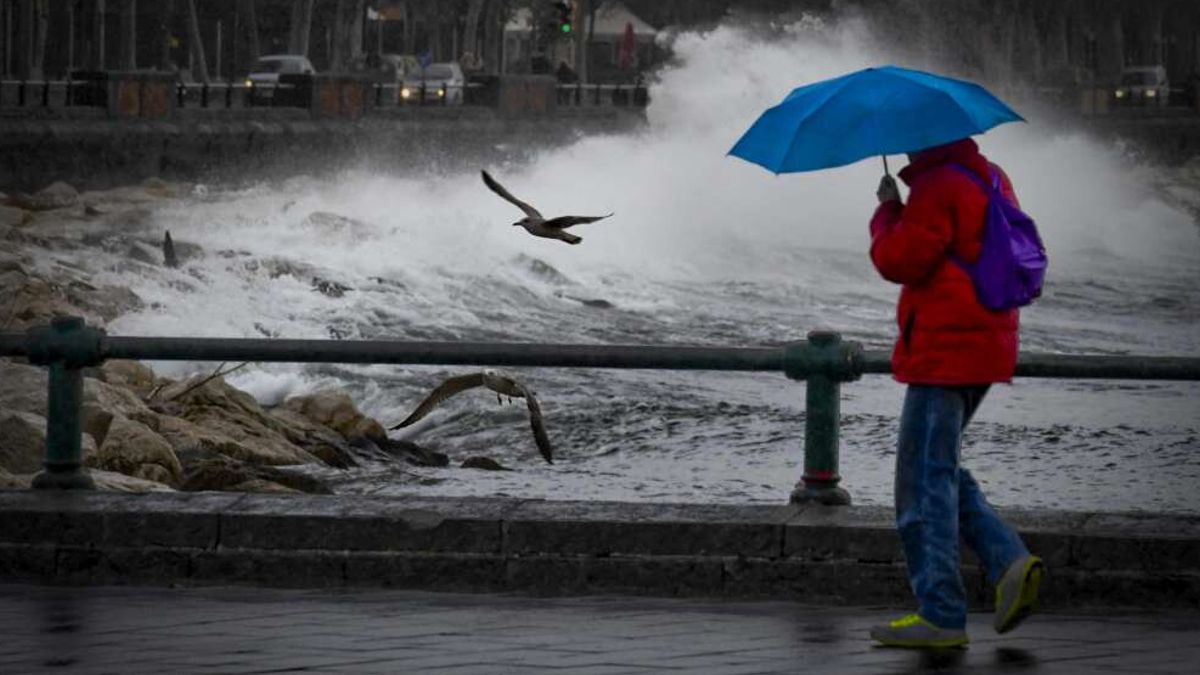
For residents of Naples, November 26th, 2026, began not with the usual bustle of a school day, but with an orange alert flashing across news screens. ‘Maltempo’ – a broad Italian term for bad weather – was the operative word. It wasn’t a single event, but a system-wide disruption. Heavy rain was already falling, and the forecast promised more. The alert level, ‘arancione’ or orange, signifies a situation of heightened attention; it means conditions have arrived that demand preparedness and could disrupt normal life. This wasn’t a theoretical warning; the immediate consequence was the closure of schools in Naples, Salerno, Ischia, and Procida – a decision impacting families across the Campania region. Campania, a region in southwestern Italy bordering the Tyrrhenian Sea, is densely populated, and the decision to close schools speaks to the severity of the anticipated conditions.

The orange alert in Campania wasn’t simply about rainfall totals. Italy’s alert system is tiered, with green representing minimal risk, yellow indicating potential issues, and orange signaling a significant threat. Orange alerts trigger specific preventative measures, like the school closures. The region’s vulnerability stems from its geography: steep slopes and a network of rivers make it susceptible to flooding and landslides when rainfall is intense. The cities affected – Naples, a major metropolitan area, and the islands of Ischia and Procida – are particularly vulnerable due to their coastal locations and concentrated populations. Salerno, further south along the coast, faced similar risks. While no specific rainfall figures were released alongside the alert, the decision to preemptively shut down schools indicates authorities anticipated conditions that could make travel dangerous and potentially overwhelm infrastructure.
While the coastal regions of Campania braced for flooding, a different kind of threat emerged further north. On the same day, November 26th, 2026, a yellow avalanche alert was issued for the Dolomites, a mountain range within the Veneto region. The Dolomites, a UNESCO World Heritage site, are a popular destination for winter sports and hiking, but their steep slopes and heavy snowfall potential make them prone to avalanches. A ‘yellow’ alert, while less severe than orange, still signifies a potential risk. It means conditions are developing that could escalate, and those in affected areas should remain vigilant. The alert specifically targeted the Dolomites within Veneto, a region in northeastern Italy, bordering Austria and Slovenia. This suggests localized, but serious, concern about snowpack stability and the potential for slides.
The region saw its existing yellow flood alert extended to cover the Arno, Ombrone, and Reno rivers.
Beyond Campania and Veneto, the impact of the ‘maltempo’ extended westward to Tuscany. The region saw its existing yellow flood alert extended to cover the Arno, Ombrone, and Reno rivers. Tuscany, known for its rolling hills and historic cities like Florence, relies heavily on these waterways. A yellow alert in this context means there’s a heightened risk of flooding due to rising water levels. The Arno, perhaps the most famous of the three, flows through Florence, making the alert particularly relevant for the city. The Ombrone and Reno rivers, while less internationally recognized, are vital to the region’s agricultural lands. The extension of the alert suggests that the rainfall wasn’t just a localized event, but a widespread system affecting multiple regions of Italy.
The convergence of these alerts – orange in Campania, yellow for avalanches in Veneto, and extended yellow flood warnings in Tuscany – paints a picture of a nation responding to a significant weather event. The immediate impact was felt in the closure of schools, disrupting the routines of countless families. The alerts themselves serve as a crucial communication tool, informing residents of potential dangers and prompting preventative measures. As of late 2026, the situation remains dynamic, with authorities continuing to monitor conditions across the affected regions. The focus is on managing the immediate risks – ensuring public safety, preventing infrastructure damage, and mitigating the potential for widespread disruption. The ‘maltempo’ serves as a stark reminder of Italy’s vulnerability to extreme weather events, and the importance of preparedness in the face of a changing climate.