
In the immediate wake of a bruising political landscape, Donald Trump offered a sentiment that felt, to many observers, like a departure from his established political persona. Speaking in an interview with CBS '60 Minutes' that aired on Sunday, the President addressed the aggressive campaign to deport millions of undocumented migrants—a cornerstone of his administration's agenda. In a moment of unexpected nuance, Trump suggested that the scale of the operation might have crossed a line. "I think it was too tough ... I think it might be too tough," he remarked, acknowledging the friction caused by the campaign.
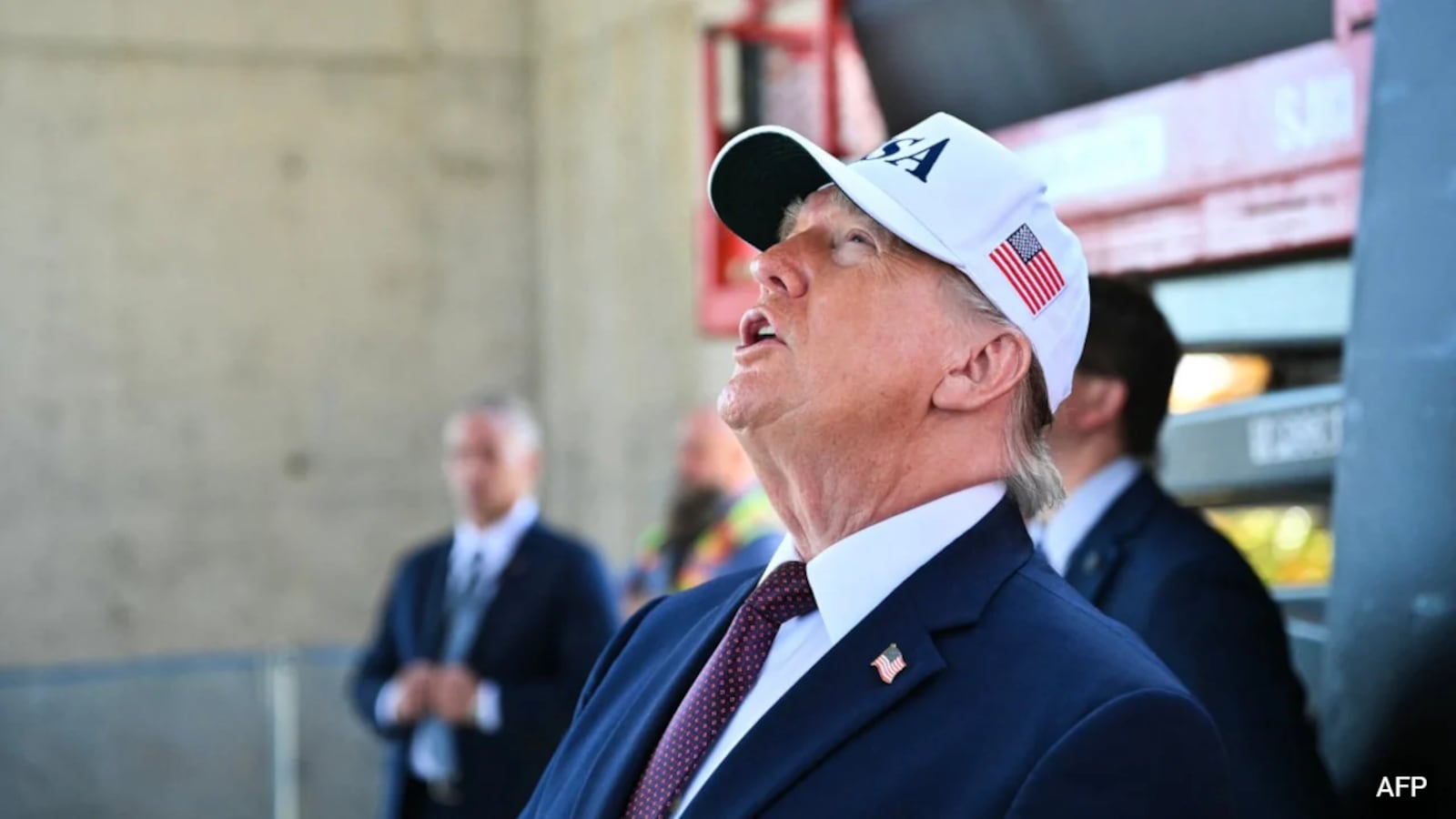
For much of his tenure, Trump has leaned into the necessity of securing the southern border, a stance that garnered significant domestic support. However, the sheer intensity of the mass deportation efforts drew widespread criticism, creating a political tension that seemed to culminate in the recent midterm elections. The Republican Party suffered heavy losses, a setback that has left the administration re-evaluating its approach to the electorate.
The electoral results served as a stark metric of public sentiment. While the administration had built its platform on the promise of rigorous border security, the aggressive push to deport undocumented migrants became a lightning rod for controversy. The Republican Party’s midterms result reflects the political cost of maintaining such an intense enforcement posture.
By elevating Miller to the position of chief of staff, Trump has signaled that the strategic engine behind his immigration policies remains intact.
This political reality creates a complex backdrop for Trump's recent comments. To suggest that a policy was "too tough" is to acknowledge a disconnect between the administration's execution and the political appetite for such measures. It is a rare instance of a leader questioning the intensity of his own signature initiatives, particularly as the party attempts to regroup after a significant electoral defeat.

“I think my deportation policy might be too tough. We sent out people that had good jobs just because they came into the country illegally and that was their only crime ” President Donald Trump https://t.co/T0TN666CDg
Yet, if the President's words to '60 Minutes' suggested a softening of tone, his personnel decisions told a different story. On Friday, Trump moved to solidify his administration's core leadership by appointing Stephen Miller as his new chief of staff. The move was a striking juxtaposition to the President's televised reflections. Miller is not merely a staffer; he is widely recognized as the architect of the very hardline deportation policies that Trump recently characterized as potentially excessive.
By elevating Miller to the position of chief of staff, Trump has signaled that the strategic engine behind his immigration policies remains intact. The appointment suggests that while the rhetoric may shift toward moderation in the media, the operational philosophy of the White House remains anchored in the aggressive tactics Miller helped design.
Stephen Miller’s ascent to the chief of staff role brings with it a history of intense controversy. His name has been frequently linked to the most visceral moments of the administration's immigration enforcement. Miller has been associated with the violent scenes captured by masked immigration agents during the execution of deportation orders, images that became synonymous with the administration's approach to undocumented migrants.
Beyond the optics of enforcement, Miller’s record includes support for federal agents involved in lethal incidents. He backed federal agents who shot and killed two Americans, a development that added to the mounting criticism of the administration's enforcement culture. This history makes his new role as the President's top aide a focal point for those concerned about the direction of federal law enforcement and immigration policy.

🇺🇸⚖️ Donald Trump admits deportation policy ‘might have been too tough’ after midterm loss https://t.co/lwNsjWZVho #DonaldTrump #USPolitics #USMidterms #ImmigrationPolicy #WorldNews
The current state of the administration is defined by this duality: a President offering verbal concessions to the political reality of midterm losses, while simultaneously empowering the man responsible for the most polarizing elements of his agenda. The tension between Trump’s stated belief that the deportation campaign might have been "too tough" and his decision to place Miller at the helm of his staff creates a landscape of uncertainty.
As the Republican Party navigates the aftermath of its midterm setbacks, the administration finds itself at a crossroads. It is caught between the need to address the criticisms that led to electoral losses and the desire to maintain the ideological purity of its most significant policy achievements. Whether Miller's leadership will lead to a tactical refinement or a renewed intensity remains the central question for the months ahead.