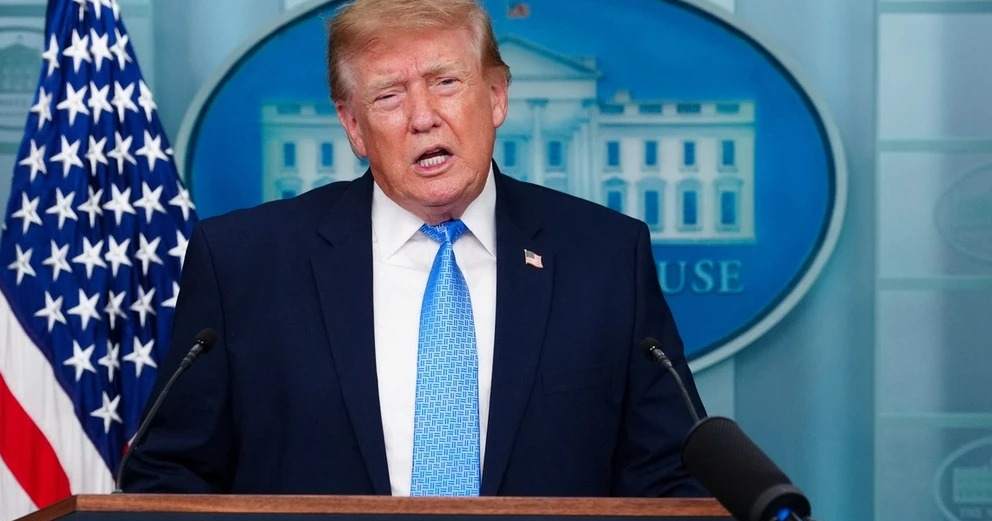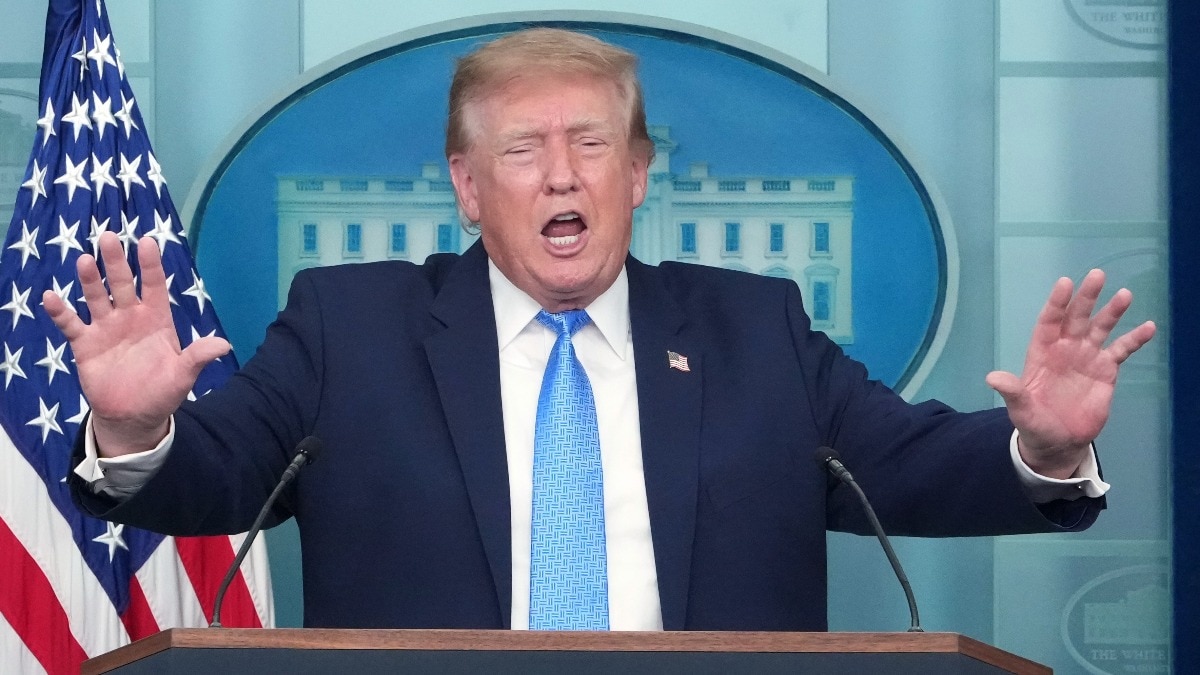
For anyone following the escalating tensions between the United States and Iran over the past eight months, the scene on November 10th, 2026, would have felt jarringly out of step with the prevailing narrative. President Donald Trump, unannounced, appeared in the White House briefing room after a meeting with Sheikh Mohammed bin Abdulrahman bin Jassim Al Thani, the Prime Minister of Qatar. He declared, in effect, that the military phase of the conflict was nearing its end. The timing was particularly striking, coming on the heels of a major political setback for the administration.

Trump’s statement – “ईरान की ताकत को कमजोर कर दिया गया है,” or “Iran’s power has been weakened” – represented a marked departure from the increasingly bellicose tone he’d adopted in recent months. He had previously warned of intensified attacks should Iran not meet US demands, a threat that had ratcheted up global anxiety. Yet, time and again, he’d pulled back from the brink, often citing requests from allies in the Gulf region for more time to pursue diplomatic solutions. This latest announcement signaled something more definitive: a reluctance to resume military action, despite the ongoing presence of US troops near Iran tasked with enforcing a naval blockade intended to halt Iranian oil exports.

TRUMP MIDDLE EAST UPDATE: President Donald Trump said Monday that key Gulf Arab nations favor maintaining the U.S. naval blockade of Iran and a new operation targeting Iranian supply routes. But he warned that American forces remain ready to resume military strikes if necessary. Trump, following talks with Qatari Prime Minister Sheikh Mohammed bin Abdulrahman Al Thani, said Qatar, Saudi Arabia, the United Arab Emirates, Bahrain, and Kuwait support continued pressure on Tehran as diplomatic efforts to end the conflict advance.
The context of this shift is crucial. Just hours before the Qatari Prime Minister’s visit, the Republican Party suffered a resounding defeat, losing control of both houses of Congress to the Democrats. This wasn’t merely a political setback; it was a clear signal from voters that they were deeply unhappy with the direction of the conflict. The eight-month-long standoff had already begun to bite, driving up global oil prices and creating instability in the international economy. The loss of Congressional control significantly constrained Trump’s options, diminishing his political capital and increasing the likelihood of legislative challenges to any further escalation.
Specifically, US soldiers were deployed to enforce a naval blockade aimed at preventing Iranian oil from reaching international markets.
The presence of Sheikh Mohammed bin Abdulrahman bin Jassim Al Thani at the White House was no coincidence. Qatar has long played a mediating role in the region, maintaining lines of communication with Iran even as tensions have soared. The country’s willingness to host talks and facilitate dialogue has made it a key player in attempts to de-escalate the situation. During the meeting, Trump reportedly told Al Thani, “हम बस यथसस्थिति बनाए रख रहे हैं,” – “We are just maintaining the status quo.” This suggests a desire to freeze the conflict where it stands, rather than pursue further military confrontation.
While Trump signaled a cooling of military action, the US continued to maintain a significant military presence in the region. Specifically, US soldiers were deployed to enforce a naval blockade aimed at preventing Iranian oil from reaching international markets. This blockade, while not a new development, remained a point of contention. Iran had consistently denounced it as an act of aggression and a violation of international law. The blockade’s effectiveness was also questionable, with reports suggesting Iran was finding ways to circumvent the restrictions.
Despite the military posture, Trump’s stated goal remained the neutralization of Iran’s nuclear program. This has been a central tenet of his administration’s policy towards Iran, and the conflict itself stemmed from concerns over Iran’s nuclear ambitions. The President’s announcement suggested a renewed emphasis on finding a diplomatic solution to achieve this goal, rather than relying solely on military pressure. The path to that solution, however, remained unclear.
As of late 2026, the situation between the US and Iran remains delicately poised. While Trump has declared the “military game” largely over, the naval blockade continues, and the underlying tensions over Iran’s nuclear program persist. The Republican Party’s loss in Congress has undoubtedly shifted the political landscape, creating a more challenging environment for further escalation. Qatar continues to play a vital role in facilitating dialogue, and the focus appears to be, at least for now, on maintaining the status quo and exploring diplomatic avenues. The future, however, remains uncertain, and the possibility of renewed conflict cannot be entirely ruled out.