
In the sterile, high-stakes environment of the Istanbul Court of Justice, time often takes on a different quality. For Mustafa Yazıcı, that time was measured in hours of interrogation. On November 18, 2026, Yazıcı, who serves as the deputy chairman of Adil Varlık, sat before a prosecutor for approximately six hours. The duration of the session suggests the depth and complexity of the fund investigation currently sweeping through legal channels, a process designed to scrutinize the movement and management of significant financial assets.
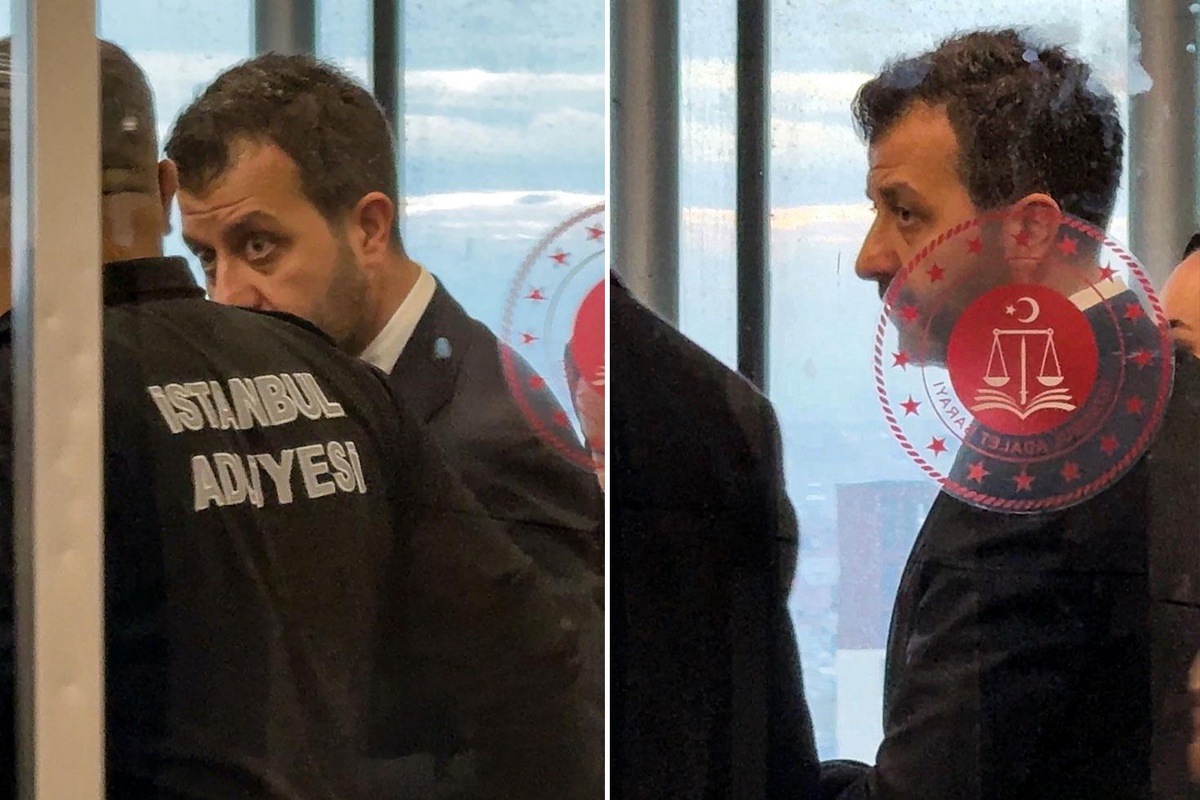
As the sun set on that lengthy session, the legal proceedings transitioned from the prosecutor's office to the criminal magistrate's court. The investigation into the fund has reached a critical juncture, moving beyond mere questioning into the realm of formal judicial restrictions. The state's response to the ongoing inquiry has been swift, signaling the gravity with which authorities are treating the allegations surrounding the fund's operations.
Following his statement, the legal machinery shifted toward containment. The prosecution has formally requested judicial control measures against Mustafa Yazıcı. These are not criminal convictions, but rather restrictive protocols intended to ensure a defendant remains available to the state as an investigation unfolds. Specifically, the request includes a ban on leaving the country—a measure that effectively anchors an individual to the jurisdiction—and a requirement for Yazıcı to sign in at a designated location on a weekly basis.
In addressing the mounting pressure, Hayati Yazıcı has been vocal about his personal assessment of the situation.
This move to impose judicial control reflects a standard but serious procedural step in complex financial investigations. By limiting movement and requiring regular check-ins, the court seeks to prevent any potential interference with the investigation or the flight of individuals implicated in the probe. For Yazıcı, the transition from a six-hour statement to these specific restrictions marks a significant escalation in his legal standing.
While the legal process moves forward with clinical precision, the human element of the case is personified by Hayati Yazıcı, the AKP General Vice President. As the father of the man under investigation, Hayati Yazıcı has stepped into the public eye to offer a defense that is as much about character as it is about commerce. He has maintained a stance of unwavering support for his son, attempting to shield him from the immediate fallout of the investigation.
In addressing the mounting pressure, Hayati Yazıcı has been vocal about his personal assessment of the situation. He has stated, "I have zero suspicion," regarding his son's involvement in any wrongdoing. For a political figure of his standing, such a declaration is a direct attempt to decouple his son's commercial activities from the criminal allegations being parsed by the prosecutor's office. He views the current scrutiny not as a confirmation of guilt, but as a necessary, albeit difficult, process of verification.
Beyond the physical halls of the Istanbul Court of Justice, a different kind of trial has been taking place. The investigation has not existed in a vacuum; it has been subject to the rapid-fire scrutiny of the digital age. Hayati Yazıcı has been particularly critical of how the public has reacted to the news, pointing to the volatility of online discourse.
"Social media elements should not attempt to construct judgments," Hayati Yazıcı remarked, addressing the tendency of digital platforms to reach conclusions before the legal process has even concluded. His critique highlights a growing tension in modern legal affairs: the gap between the slow, methodical pace of a judicial investigation and the instantaneous, often definitive, judgments rendered by social media users. To the General Vice President, the rush to judgment by the public represents a distortion of the facts that the court is still working to uncover.
Despite his defense of his son, Hayati Yazıcı has not dismissed the necessity of the investigation itself. He has framed the legal scrutiny as a vital mechanism for the protection of the public. He emphasized the fundamental need to investigate these allegations thoroughly, not merely to clear names, but to fulfill a broader civic duty: the protection of citizens' savings.
This framing attempts to balance two conflicting narratives. On one hand, there is the defense of a family member; on the other, there is an endorsement of the state's duty to safeguard the financial integrity of its people. By emphasizing the importance of protecting savings, he aligns the investigation with a core principle of financial stability, even as he contests the specific suspicions directed at his son. As the investigation continues, the court must now weigh the evidence gathered during those six hours against the legal standards required to move from judicial control toward a final resolution.