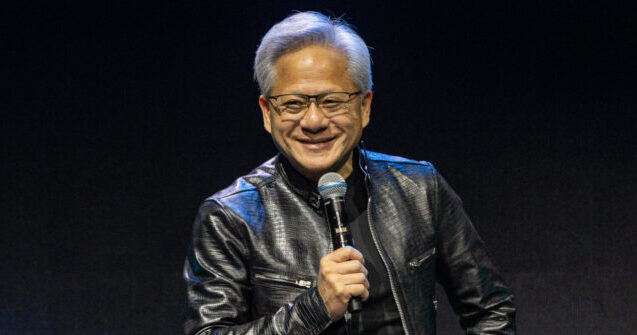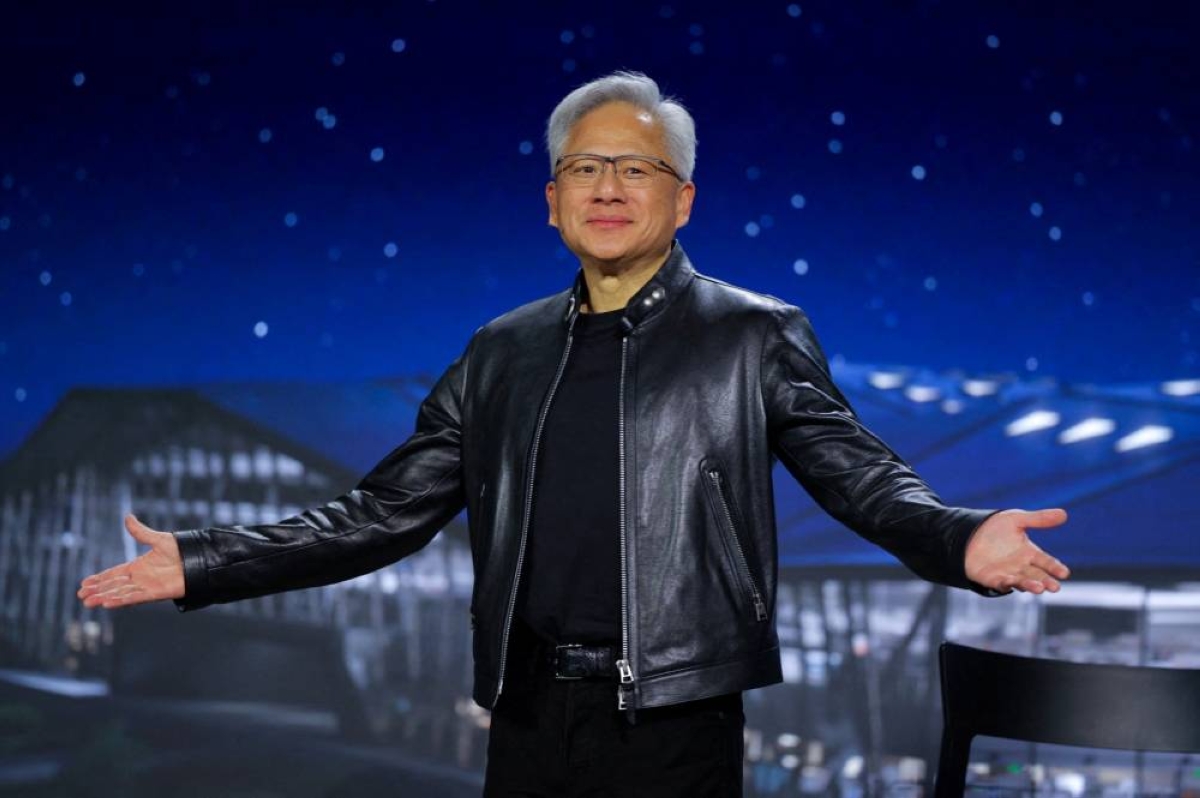
In a dramatic turn of events, Nvidia has reinstated Jensen Huang as its chief executive officer, president, and board member effective immediately. This reversal comes just ten days after the company's board unanimously accepted Huang's resignation on November 12, 2026. The decision, which sent Nvidia's shares soaring by 33%, followed intense pressure from President Donald Trump and came despite serious allegations involving espionage and extramarital affairs.

The controversy surrounding Huang's departure stems from multiple allegations. U.S. authorities reportedly obtained intelligence suggesting Huang had an extramarital affair with Alice Huang, a businesswoman allegedly recruited by China's Ministry of State Security. Her former company, Megaspeed, a Singapore-based firm, is accused of diverting advanced Nvidia chips to China in violation of export controls. Additionally, Huang was accused of affairs with at least two Nvidia employees, which violates company policy.
President Trump openly claimed credit for Huang's reinstatement, stating in an interview with CNBC that he "talked to them, let's put it that way. And I convinced them. I reached an agreement." Trump emphasized that he gave Nvidia's board sufficient assurances regarding Huang's position amid the allegations linked to China. "I gave them enough assurance," Trump stated, adding that "if I thought that he did something wrong, I wouldn't be recommending to his board to hire him."
President Trump openly claimed credit for Huang's reinstatement, stating in an interview with CNBC that he "talked to them, let's put it that way.
Despite having initially ruled out Huang's return and demanding guarantees regarding national security threats, Nvidia's board reversed course. In announcing Huang's reinstatement, the board cited its confidence in Huang's candor and leadership, noting that senior U.S. officials had confirmed his return poses no national security risk. "We have to protect our geniuses, and he's certainly a genius," Trump remarked, suggesting that losing Huang's brainpower would be "a far bigger threat than anything we're talking about."
The allegations have raised significant national security concerns, particularly given the strategic importance of Nvidia's semiconductor technology. The Commerce Department has begun examining Nvidia's sales to Megaspeed, while multiple investigations by the SEC and Department of Justice are ongoing regarding potential accounting issues and alleged chip smuggling. Despite these concerns, the U.S. government maintained that it had "no reason to believe Huang's return posed a national security risk and had no evidence he had engaged in unlawful conduct."
The reinstatement has drawn criticism from some lawmakers. Democratic Senator Elizabeth Warren condemned the move, calling it reckless and urging continued investigations into Nvidia's compliance with U.S. export controls. "Nvidia owes Congress answers about compliance with US export controls," Warren stated. Meanwhile, Trump posted on Truth Social that the decision was "correct and proper," sharing an AI-generated image of Huang holding a red bra next to a Nvidia flag—a nod to Trump's assassination attempt in Pennsylvania.
In response to his reinstatement, Huang expressed gratitude: "I am honored to return to NVIDIA and lead one of the most consequential technology companies in the world at the beginning of a new industrial revolution." The dramatic reversal has left the tech industry and political observers questioning the intersection of corporate governance, national security, and political influence in America's most critical technology companies.