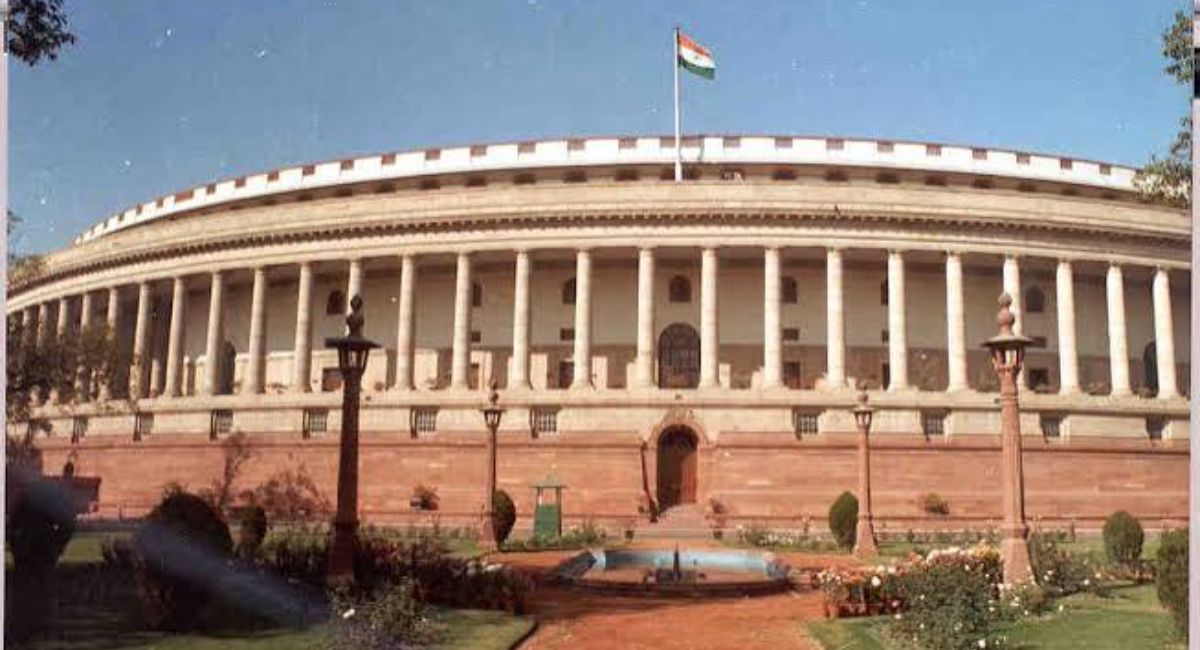
For decades, the question of how many representatives each Indian state sends to the national parliament has been treated as a settled matter, a quiet background hum to the noise of elections and protests. On November 27, 2026, the Central Government, led by Prime Minister Narendra Modi, broke that silence. The Cabinet approved a proposal to increase the total number of seats in the Lok Sabha, the lower house of India’s parliament, by 50 percent. It was not merely an adjustment; it was a structural overhaul of the country’s legislative machinery. By adding 50 percent to the existing seats, the government is effectively acknowledging that the old map can no longer hold the new reality of a growing and shifting population.
The most consequential element of the Cabinet’s decision, however, is not the expansion itself, but the decision to freeze the current state-wise seat distribution formula until 2051. This move acts as a shield for the southern states, which have maintained lower population growth rates than their northern counterparts. Without this freeze, demographic changes would have naturally reduced the representation of these states as the north’s population expanded. By locking the allocation in place for another quarter-century, the government ensures that states like Andhra Pradesh and Telangana do not suffer a reduction in their share of national power, preserving their political leverage in the center for another generation.
Alongside the seat expansion, the Cabinet gave a green signal to a constitutional amendment bill guaranteeing a 33 percent reservation for women in both the Lok Sabha and the state assemblies. This is a significant departure from previous attempts to pass such legislation, which had stalled repeatedly due to a lack of a decisive majority in the legislature. Now, by advancing with new proposals that bundle these changes together, the government aims to create a structural guarantee rather than a temporary policy. If approved, this would ensure that one-third of all elected national and state representatives are women, fundamentally altering the demographics of the people who make India’s laws.
These decisions did not appear in a vacuum; they were crafted with the calendar in mind.
The practical impact of the 50 percent increase will be felt most acutely in specific states where seat counts are projected to jump. For Andhra Pradesh, the number of Lok Sabha seats may rise from 25 to approximately 38. Similarly, Telangana, currently holding 17 seats, is projected to reach almost 26. While these figures remain estimates pending final allocation, they represent a substantial boost in political capital for these regions. For politicians in these states, this means more opportunities to enter the national stage, diluting the relative power of any single constituency and potentially creating new electoral coalitions.
These decisions did not appear in a vacuum; they were crafted with the calendar in mind. Special parliamentary sessions are scheduled to begin on November 30 to discuss these matters. This rapid timeline suggests that the executive branch is eager to move quickly, knowing that such sweeping constitutional changes require not just Cabinet approval, but the will of the elected representatives. The urgency reflects a political calculation: by acting fast, the government seeks to cement these changes before the next major electoral cycle, effectively setting the rules of the game for the coming decades.
Previous attempts to pass the women’s reservation bill failed because no single party could muster the necessary majority to pass it on its own. The government is now advancing with new proposals that could bring significant changes to national politics upon parliamentary approval. By bundling the seat expansion with the reservation mandate, the Cabinet has created a package that is harder for opposition parties to reject without appearing against gender equity or state-level representation. This strategic packaging is designed to turn a contentious, partisan issue into a non-partisan, structural necessity.
The choice to extend the freeze to 2051 is a bet on the future. It assumes that the current demographic imbalances, where some states grow faster than others, will remain a political issue for at least twenty-five years. By choosing to freeze rather than recalculate, the government prioritizes political stability over demographic accuracy. This decision will shape not just the next election, but the one before that and the one after, creating a long-term political landscape where the South retains its power base while the North waits for its due. It is a rare moment where the executive branch looks so far ahead, setting the terms of the national debate for a generation yet to come.