
Inside the pressurized halls of the Pentagon, the air on Tuesday felt less like a briefing and more like a battlefield. Pete Hegseth, the U.S. Secretary of Defense, stood before a room of reporters to address a challenge that threatens to upend his leadership of the nation's military apparatus. The charge is impeachment—a formal process used to hold high-ranking officials accountable for perceived misconduct. But for Hegseth, the proceedings are not a matter of constitutional duty, but a theater of personal grievance.
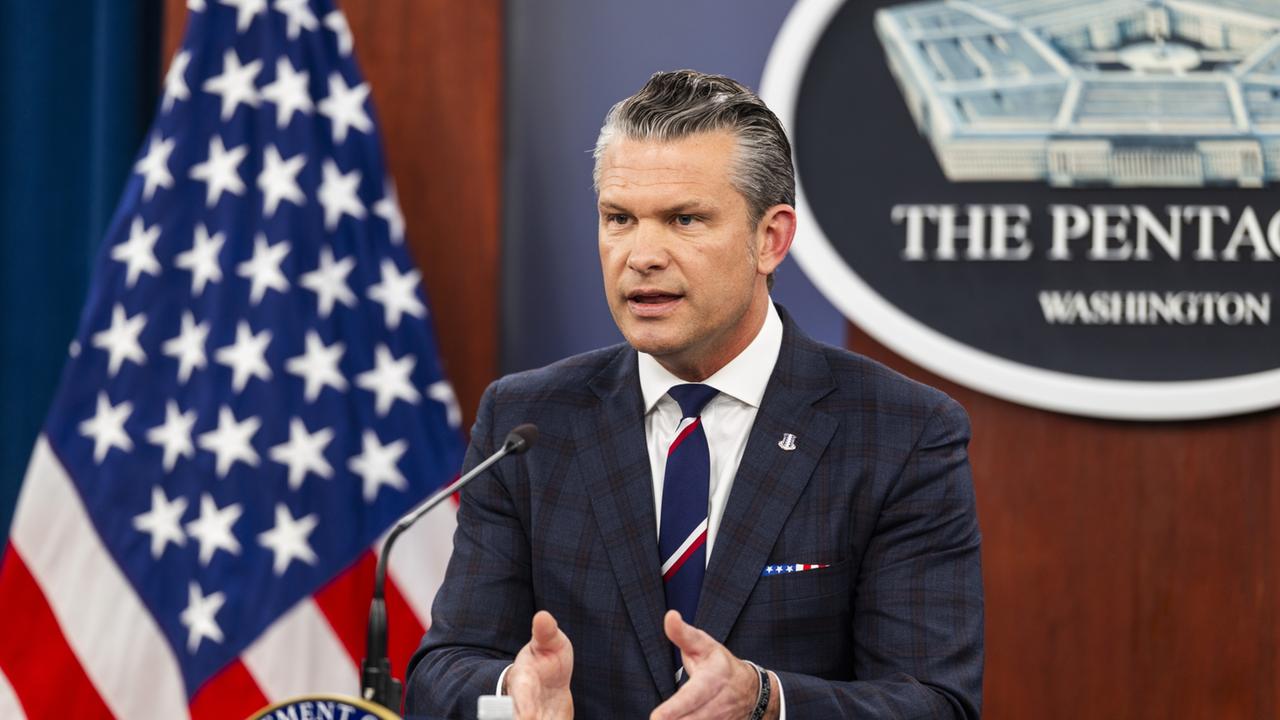
"It is a farce and a setup driven by resentment," Hegseth declared during a press conference, his voice cutting through the tension of the room. He did not mince words, characterizing the impeachment motion as a "farce and a setup that everyone recognizes." To Hegseth, the movement against him is not a principled legal challenge, but a "personal manifesto driven by ego and resentment." In a moment of high drama, he even invoked divine authority to bolster his defense, framing the political assault as something beyond the mere reach of legislative maneuvering.
The catalyst for this political storm is Representative Thomas Massie, an outgoing Republican who is not seeking re-election. Massie’s move represents a significant fracture within the Republican party, as he has broken away from Donald Trump’s MAGA movement to file the impeachment resolution on Monday. It is a calculated strike, timed to land before the new Democratic-majority Congress is sworn in.
Massie’s resolution accuses Hegseth of several grave offenses, including the suppression of free expression and the conduct of extrajudicial executions.
Massie’s objective is twofold: to send a clear signal to the incoming administration and to potentially remove Hegseth from his post. While Hegseth remains the central figure commanding the war effort, some within the political sphere have begun to view him as a weak link in the current administration. By acting now, Massie is attempting to force a reckoning before the political landscape shifts with the arrival of the new congressional session.

US Defense Secretary Pete Hegseth could be impeached by the House of Representatives this week on charges of abusing his power, including by going to war with Iran without an imminent threat or congressional approval https://t.co/oAl0Z5E7eV https://t.co/PdsWFoEEfh
At the heart of Massie’s argument is a fundamental question of constitutional law: who has the authority to wage war? The impeachment motion centers on the 1973 War Powers Resolution, a landmark piece of legislation designed to limit the president's ability to commit the United States to armed conflict without congressional approval.
Massie argues that Hegseth has directly violated this law by extending hostilities in Iran for more than 90 days without seeking the permission of Congress. This period of unauthorized conflict has become the primary legal anchor for the impeachment attempt, turning a military campaign into a constitutional dispute.
The scope of the impeachment is vast, outlined in eight distinct articles of accusation. These articles do not merely focus on the technicalities of the War Powers Resolution; they paint a broader picture of alleged systemic abuse within the Department of Defense. Massie’s resolution accuses Hegseth of several grave offenses, including the suppression of free expression and the conduct of extrajudicial executions.
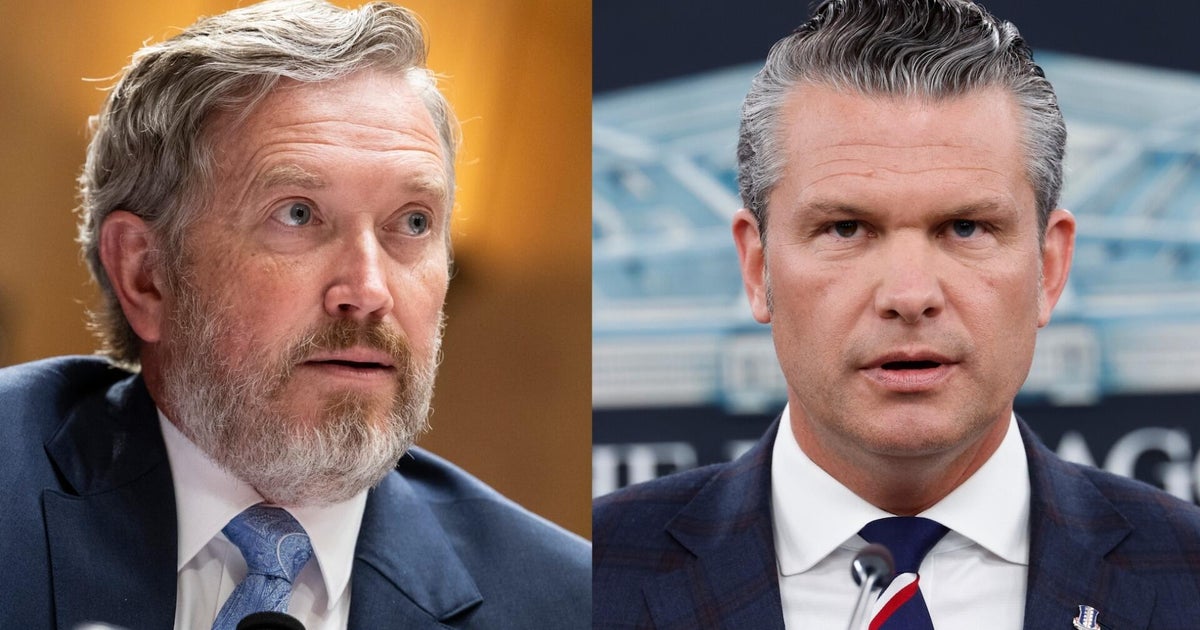
These charges suggest a profound disagreement over the limits of executive power and the rights of individuals under the command of the Secretary of Defense. The articles aim to establish a pattern of behavior that Massie argues constitutes an abuse of power, moving the debate from a disagreement over foreign policy to a question of fundamental legality and human rights.

Iran's top brass unveils a brand new underground missile complex https://t.co/Dkg2G1kVZw
The battle lines are already being drawn across party lines, though the friction is not limited to Democrats and Republicans. While Massie is a Republican, his departure from the MAGA movement highlights a growing internal rift. The impeachment effort creates a complex web of legal and political challenges. The incoming Democratic majority will inherit a situation where the Secretary of Defense is under intense scrutiny, with opponents on both sides of the aisle utilizing the War Powers Resolution to question the legality of his command.
While the legal arguments swirl around the Pentagon, the reality on the ground in Iran remains the driving force behind the political upheaval. The conflict has moved beyond a mere military operation and has become the litmus test for the administration's adherence to American law. Hegseth’s defense of the war effort is inextricably linked to his defense against impeachment; to admit to a violation of the War Powers Resolution would be to admit that the very foundation of the current military engagement is unauthorized.
As the administration moves forward, the tension between the necessity of military action and the requirements of legislative oversight continues to escalate. The question is no longer just about how the war in Iran is being fought, but whether the person leading it has the legal right to continue doing so.
For now, the situation remains in a state of high-stakes suspension. The impeachment motion has been filed, the Secretary has issued his defiance.