For a single evening in late November 2026, the competitive atmosphere of the UEFA Europa League fractured into scenes of public disorder. On November 26, fans clashed inside the stadiums during two concurrent fixtures: Olympique Marseille against Levski Sofia, and Beşiktaş against Hapoel Beer-Sheva. For viewers and those inside the stands, the experience shifted from sporting competition to a confrontation that required an immediate and formal response from European football’s highest authority.
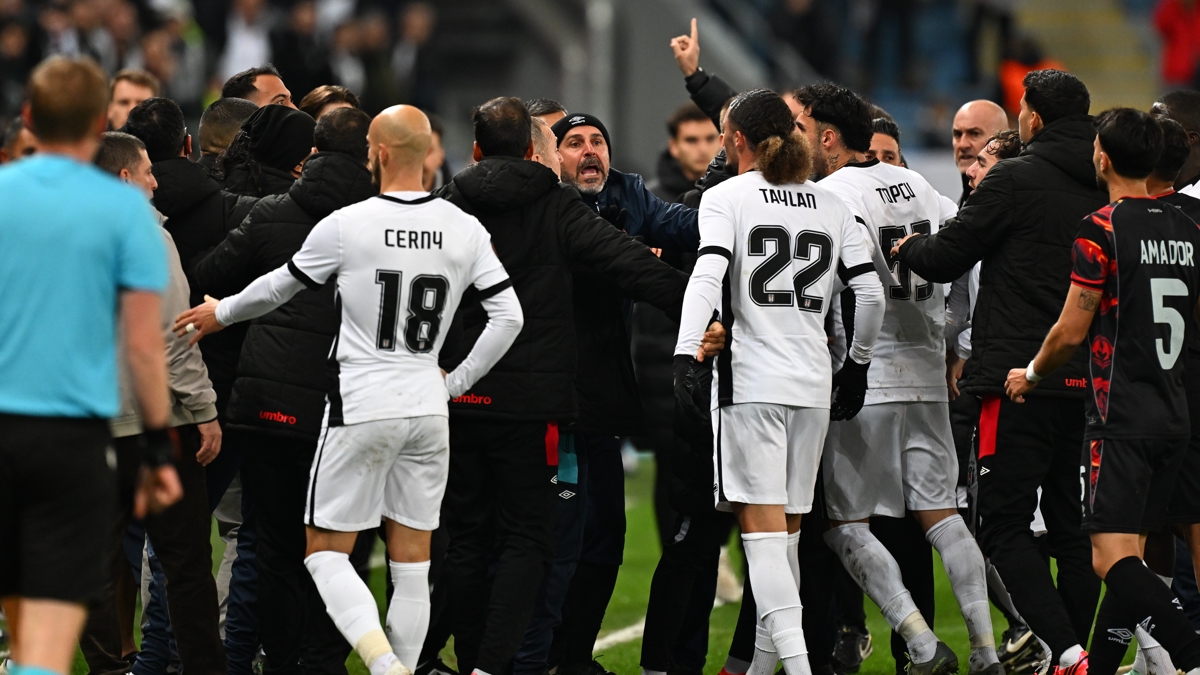
The reaction from UEFA was swift and unequivocal. The organization issued a statement condemning the violence with the strongest possible terms, framing the disorder as an antithesis to the sport’s identity. The condemnation was not merely a standard reprimand; it was a declaration that aggression, hatred, and discriminatory behavior have no place in football. By using such severe language, UEFA signaled that the incident crossed a significant threshold, moving beyond typical crowd misbehavior into the realm of serious public order violations that jeopardize the integrity of the competition.
To understand why this response was necessary, one must look at the fundamental values UEFA cited. The governing body stated that the events contradicted respect, fair play, integrity, and safety. These are not just abstract ideals; they are the operational requirements that allow a multi-national tournament to function. When supporters clash in the stands, the objective of playing games in the spirit of peace and sporting fairness is dismantled. The statement explicitly linked the violence to a broader betrayal of these principles, suggesting that the incident threatened the very reason the competition exists.
UEFA noted that the investigation would proceed in accordance with current regulations.
The next step in the process was procedural. UEFA did not simply issue a warning; it initiated a disciplinary investigation. To carry out this mandate, the organization appointed Ethics and Discipline Inspectors. These officials are tasked with determining the facts and circumstances of the incidents under existing regulations. Their role is not to guess at the cause of the violence, but to review all available evidence to establish a factual record. This appointment marked the transition from a public relations response to a formal judicial process within the sport’s governance structure.
The scope of this investigation is specific. It covers the serious violence and public order incidents that occurred during the two matches on November 26, 2026. The inspectors will review what happened in the stands at both the Marseille and Beşiktaş venues. This dual focus is significant because it indicates that the governing body views these incidents as part of a larger pattern of instability on that specific date, rather than isolated occurrences at different clubs. The investigation is designed to be comprehensive, ensuring that no aspect of the disorder is overlooked.
The regulatory framework governing this inquiry is the key to understanding its potential outcome. UEFA noted that the investigation would proceed in accordance with current regulations. This means that the inspectors are not creating new rules on the fly; they are applying established disciplinary standards to the evidence they uncover. These standards dictate how such violations are categorized and what types of sanctions are permissible. By anchoring the process in existing law, UEFA ensures that the resulting penalties are legally defensible and consistent with past precedents.
The involvement of Beşiktaş and Hapoel Beer-Sheva places the spotlight on a high-profile European fixture. The match was part of the regular season of the Europa League, a tournament that draws large and passionate crowds. The fact that such severe disorder occurred during this stage of the competition highlights the vulnerability of large-scale football events to organized or spontaneous fan conflict. The governing body’s stance toward Beşiktaş and Hapoel Beer-Sheva was critical, acknowledging the severity of the disorder that took place within their shared stadium environment.
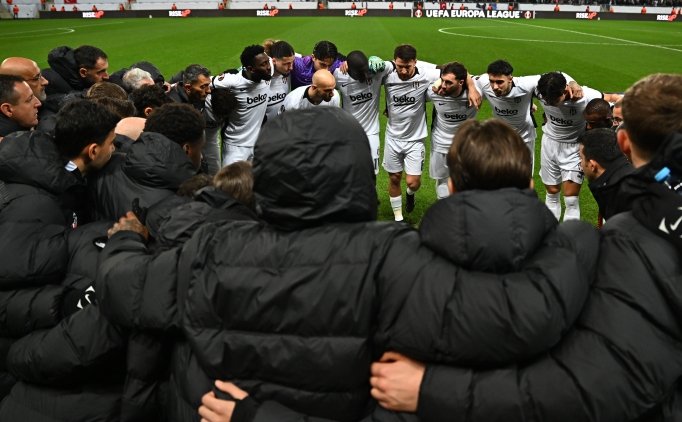
Similarly, the match in Marseille between Olympique Marseille and Levski Sofia is now part of this disciplinary record. The inclusion of this fixture in the investigation suggests that similar types of clashes or public order failures were documented there as well. This broadens the impact of the incident, affecting multiple clubs and fan groups from different national associations. The fact that two separate matches experienced simultaneous issues adds a layer of complexity to the inspectors’ task, requiring them to distinguish between local factors and potential wider trends.
As the investigation moves forward, the focus shifts to evidence. The inspectors will be reviewing what happened in the stands, who was involved, and the extent of the damage or disruption. This process is deliberate and structured, designed to prevent emotional or political judgments from influencing the outcome. The goal is to establish a clear narrative of the events on November 26, 2026, so that any subsequent sanctions are based on facts rather than speculation.
Currently, the situation stands at a pivotal moment. The condemnation has been issued, the inspectors have been appointed, and the disciplinary machinery is now in motion. Further information will be released in due course, but the immediate reaction has set a clear precedent. The governing body has made it known that it will not tolerate such breaches of order. The clubs involved, and the supporters groups associated with them, now face the prospect of a formal hearing where the evidence will be tested against the regulations of European football.