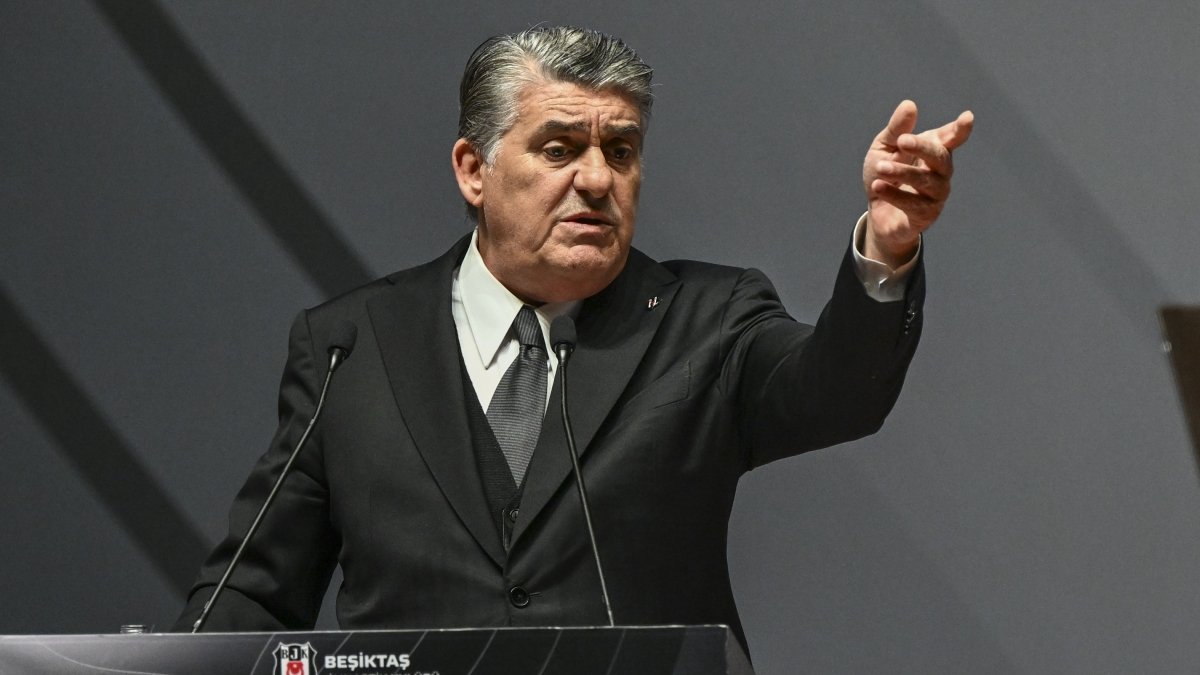
The atmosphere inside the Batum Arena was electric, as it often is in the high-stakes arena of the UEFA Europa League. For Beşiktaş, a club with a history as deep and turbulent as the Bosphorus Strait, the match against Hapoel Beer-Sheva was more than a game; it was a test of their resilience on the European stage. But the drama that unfolded in the hours leading up to kickoff would soon overshadow the sport itself, revealing a stark disconnect between the passion of the supporters and the rigid protocols of security personnel.
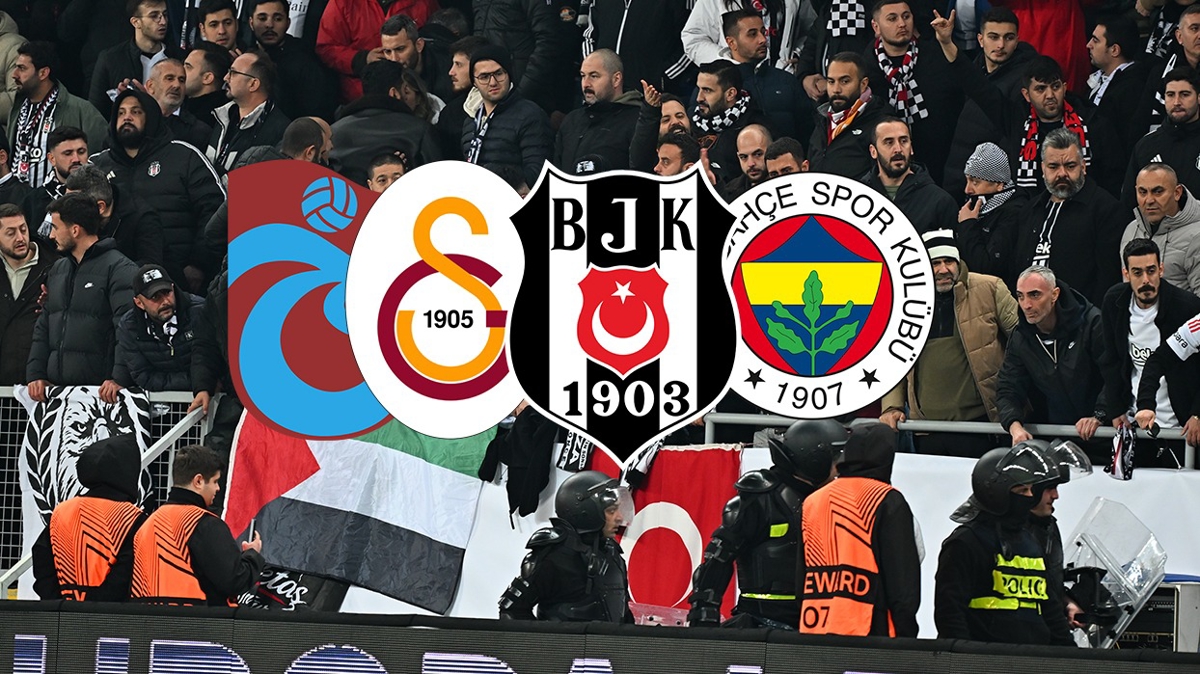
As the team bus pulled away from the hotel, the focus was naturally on the players. Yet, for the club’s management, the mind was already turning toward the thousands of fans making the journey to Georgia. They knew the logistical challenges of traveling for European nights, but they could not have anticipated the severity of the situation that awaited them at the gates. The initial reports from the ground were concerning, painting a picture of chaos at the security checkpoints. It was here, in the bottleneck of entry, that the trouble began.
The security personnel on duty faced difficulties at security gates. The club’s statement would later characterize this as a use of "disproportionate force." For the fans, who had traveled thousands of miles to cheer their team, this was not merely a bureaucratic hurdle but a physical confrontation. The scene at the stadium was becoming increasingly tense, with the potential for the match to be abandoned or, worse, for fan injuries to escalate.
Simultaneously, they lodged a formal complaint with UEFA, the governing body of the tournament, ensuring that the incident would be officially recorded and reviewed.
Recognizing the gravity of the situation, the club’s management immediately sprang into action. They were not passive observers; they were active intervenors. Their first priority was to get their supporters inside safely. They made contact with the UEFA delegate on site, a crucial step in navigating the complex web of international sporting regulations. The goal was clear: to open the stadium evacuation gates, a specific mechanism designed to handle crowd surges and emergencies. By activating these gates, the club sought to provide a rapid, safe route for the fans to enter the venue, bypassing the bottlenecks where the excessive force was being applied.
This intervention was a testament to the club’s commitment to its supporters. It was a moment of swift, decisive action, driven by the desire to protect the people who give the club its identity. Yet, the damage was done. The use of force had already left its mark, and the club felt a deep sense of injustice. They could not simply let the incident fade into the background of a football match. They needed to hold those responsible accountable.
The club’s response was both immediate and far-reaching. They moved beyond the stadium to address the issue at its source. They initiated actions through the Batum Consulate, leveraging diplomatic channels to formally protest the conduct of the security forces. This was a significant escalation, signaling that the matter was not just a local security failure but a diplomatic incident. Simultaneously, they lodged a formal complaint with UEFA, the governing body of the tournament, ensuring that the incident would be officially recorded and reviewed.
The club’s management expressed gratitude to President Recep Tayyip Erdoğan for his support. This web of communication was designed to show that the treatment of Beşiktaş fans was a matter of importance. They were standing together, united against the excesses of security forces that had overstepped their bounds.
The club’s leadership also took the time to acknowledge the emotional toll the incident had taken on their supporters. In their statement, they expressed their "condolences to our fans affected by the incidents." This was a recognition of the pain and fear that had been inflicted, a gesture that resonated deeply with a fanbase that prides itself on its loyalty and passion. They were not just a corporate entity; they were a family, and they were grieving the mistreatment of their own.
The response from the highest levels of government was swift and supportive. President Recep Tayyip Erdoğan expressed his condolences to the community and the fans regarding the "painful incidents in Georgia." His support served as a powerful endorsement of the club’s stance, reinforcing the idea that the protection of Turkish citizens abroad is a matter of national importance. It was a moment of unity, where the club, the fans, and the state were aligned in their condemnation of the events in Batum.
As the dust settles on this incident, the question remains: what does this mean for the future of fan safety in international football? The events in Batum serve as a stark reminder of the challenges that clubs and fans face when traveling abroad. It highlights the need for clear protocols, mutual respect, and a recognition that security personnel are there to facilitate, not to intimidate. For Beşiktaş, the match against Hapoel Beer-Sheva may have been a victory on the pitch, but the battle for the dignity of their fans had only just begun. The club’s actions in Batum have set a precedent, demonstrating that they will not shy away from fighting for their supporters, no matter where the match is played.