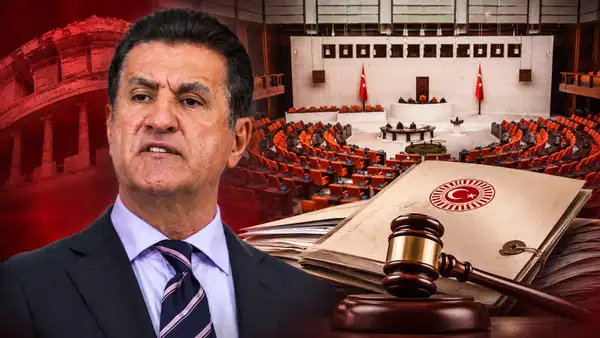
For Mustafa Sarıgül, a prominent independent member of the Turkish Grand National Assembly (TBMM), the air in the capital shifted subtly on the 27th of November, 2026. It was not a dramatic event, but rather the quiet, bureaucratic arrival of a file that changes the legal standing of any elected official. The dossier, prepared by the Ankara Chief Public Prosecutor's Office and routed through the Ministry of Justice, officially landed at the TBMM. This moment triggers a specific clause of the Turkish Constitution, Article 83, which governs the immunity of parliamentarians. In practice, this means that Sarıgül cannot be tried like a regular citizen; the state must formally ask the legislature to lift that protection before a court can proceed. The file is not merely a stack of paper; it is the switch that toggles a democratic check on executive power.
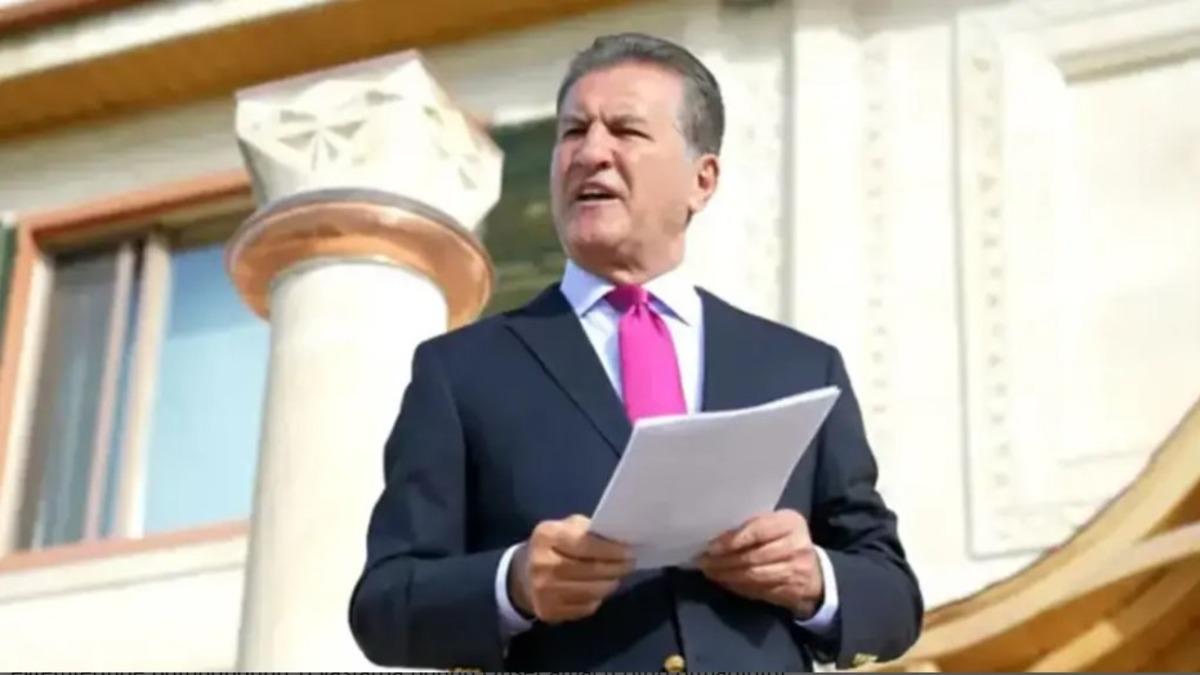
The contents of the dossier are stark. It lists five distinct criminal charges that range from financial crimes to severe personal offenses. The accusations include money laundering, the establishment of a criminal organization, and the illicit acquisition of property. Intermingled with these white-collar counts are far more personal allegations: sexual abuse of a minor and qualified sexual assault. Each of these charges carries significant weight under Turkish criminal law. For the public, the juxtaposition of financial and personal crimes creates a complex narrative. Money laundering suggests a systemic operation to hide wealth, while the sexual abuse charges point to individual moral failings or abuse of power. Together, they paint a picture of a figure allegedly operating outside the bounds of normal legal and ethical conduct. The specificity of these five counts ensures that the upcoming review will not be a rubber stamp but a detailed scrutiny of serious allegations.
How did this case end up in Ankara? The investigation originally began in Istanbul, the city where Sarıgül has long been a political fixture. However, on November 9, 2025, the case was transferred to Ankara. This was not a random move. It was a jurisdictional ruling based on his parliamentary status. Because he is a member of the national assembly, certain legal processes must involve the central government and the capital’s authorities. This transfer highlights the complexity of prosecuting high-ranking officials in a system where legislative immunity intertwines with judicial procedure. The move to the capital symbolizes the national stakes of a case that began locally, as the jurisdictional ruling necessitated the involvement of the central authorities to process the dossier.
This step is critical because the Ministry acts as the gatekeeper between the judiciary and the legislature.
Before the dossier could reach the parliament, it had to clear a significant administrative hurdle. On November 20, 2026, the prosecutor’s office sent the formal document to the Ministry of Justice. This step is critical because the Ministry acts as the gatekeeper between the judiciary and the legislature. The dossier, prepared by the Ankara Chief Public Prosecutor's Office, was transmitted via this ministry to the TBMM. This period between the transfer to Ankara in 2025 and the Ministry’s transmission in 2026 suggests a lengthy period of deliberation. It implies that the case was not rushed. The 2026-11-20 date marks the point of no return for the executive branch’s involvement in the case, serving as the final administrative step before the legislative review began.
With the dossier now at the TBMM, the responsibility shifts to a joint commission composed of members from the constitutional and justice committees. This body is not a court; it does not judge guilt or innocence. Its sole mandate is procedural: to determine if immunity should be lifted or if the trial should be postponed. This distinction is crucial for a newcomer to the system. The committee’s role is limited to the procedural aspects of the immunity framework under Article 83. If they vote to lift immunity, the case returns to the judiciary, and Sarıgül becomes a defendant. If they reject the request, the case may be indefinitely stalled. This mechanism is designed to protect legislators from frivolous prosecutions, but it also creates a political arena where legal matters are debated through the lens of majority will rather than judicial independence.
Mustafa Sarıgül has not remained silent. His response to the dossier is calibrated, adhering to a neutral stance that emphasizes process over denial. He has publicly stated that the mere existence of a prosecutor’s file does not equate to guilt. This is a standard legal defense, but it is strategically chosen to frame the narrative around procedural rights. He asserts his intention to use his right to defense within the legal process. He has explicitly said he will respond to the allegations before the competent institutions. This language is careful; he does not admit to anything, nor does he aggressively counter every specific charge. Instead, he positions himself as a citizen exercising his rights within the system. By focusing on the legal defense, Sarıgül ensures that the public narrative remains anchored to the procedural reality of the parliamentary review rather than speculation about the merits of the charges.