
At approximately 7:00 AM, the routine stillness of the Pushkin district in Saint Petersburg was shattered by a violent detonation. The explosion did not merely crack the air; it possessed a physical force capable of shattering the windows of a nearby bus, a testament to the suddenness and intensity of the blast. As the smoke cleared, the scene revealed a vehicle destroyed in the wake of what appeared to be a calculated strike.
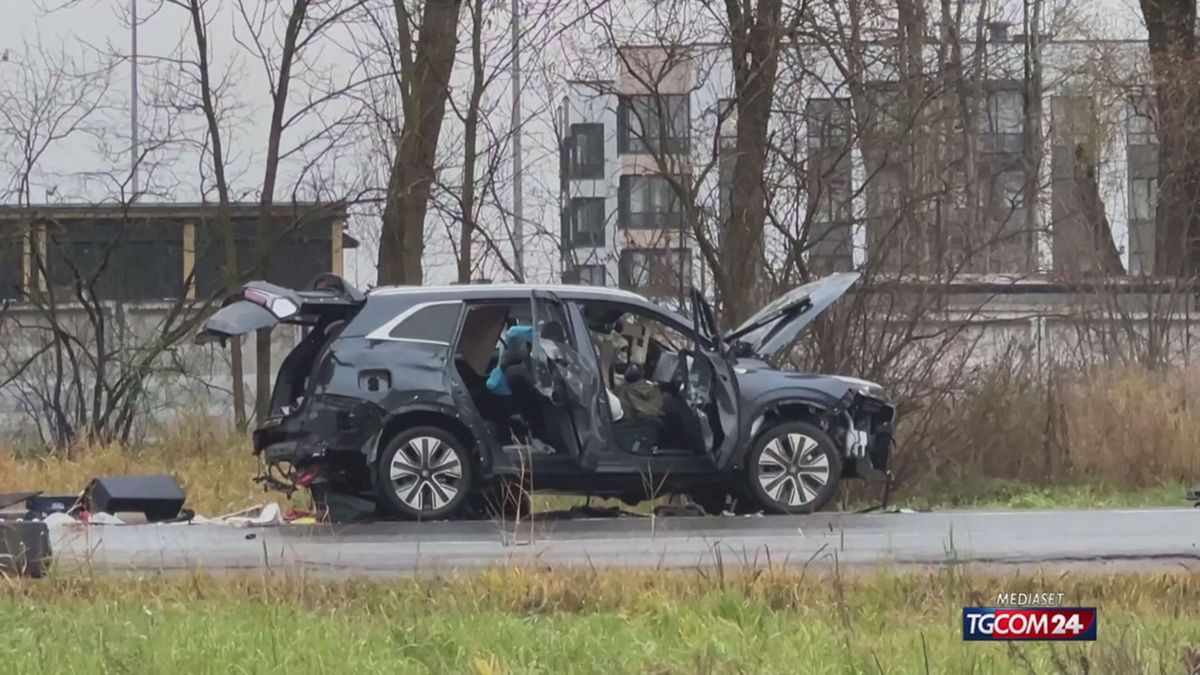
The incident unfolded as a vehicle was exiting a building area, beginning its transit toward the Kolpinskoye highway. It was in this transitional moment—moving from the relative security of a residential or building premise toward the open road—that the device was triggered. According to reports from the TASS news agency, the vehicle was traveling with only one person inside. That individual, the driver, was the sole occupant and was killed instantly by the force of the explosion.
While the initial chaos of the scene prompted various inquiries, the nature of the blast suggested something more deliberate than a mechanical failure or a gas leak. Local reports indicate that the explosion is suspected to have been caused by an explosive device that was detonated remotely. This suspicion shifts the event from a tragic accident into the realm of a targeted act, where the timing and method suggest a high degree of intent.
As investigators moved into the area, the identity of the victim began to emerge.
As investigators moved into the area, the identity of the victim began to emerge. While official ranks were not immediately confirmed by all authorities, the local outlet Fontanka reported that the deceased was a colonel. The victim, identified as a military officer, was traveling alone at the time of the blast. The loss of a high-ranking officer in such a public and violent manner marks a significant escalation in the local security landscape.
The aftermath of the blast has triggered a swift and serious legal response. The local Investigative Committee has officially opened a murder inquiry into the incident. This designation is critical; by opening a murder investigation, authorities are formally treating the explosion not as an industrial mishap, but as a criminal act of homicide. The focus now turns to the mechanics of the remote detonation and the motive behind targeting a military official in the Pushkin district.
For the residents of the Pushkin district, the event serves as a jarring reminder of how quickly violence can penetrate the morning commute. There were no other casualties reported in the incident, meaning the blast was contained to the single vehicle, yet the sheer power required to damage public transit like a nearby bus underscores the lethality of the weapon used. As the investigation continues, the city of Saint Petersburg waits for answers regarding who orchestrated the strike and why a colonel was targeted as he left his residence.