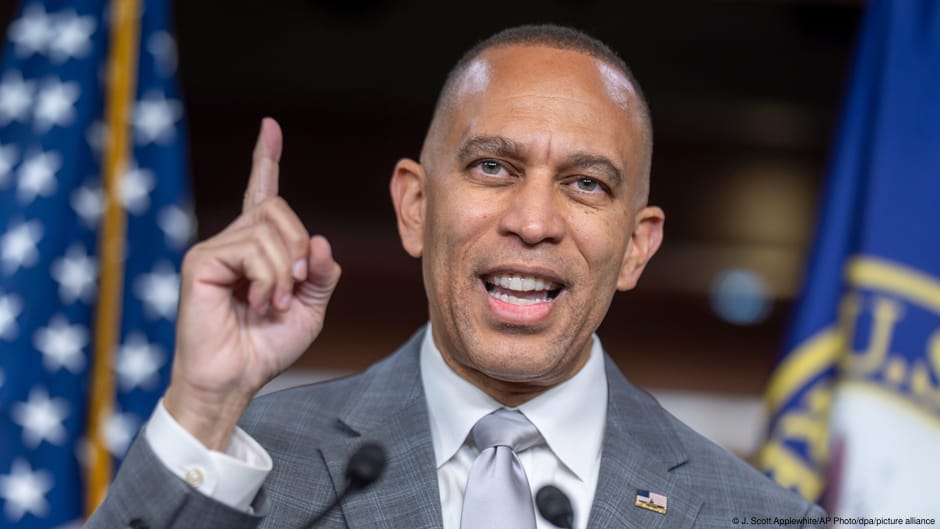
In the hushed, closed-door corridors of House Democratic leadership, the future of the chamber was decided not with a roar, but with the scratch of pens and the click of a secret ballot. On November 18, 2026, the Democratic caucus gathered to settle a question of direction. The task was to select a nominee for Speaker of the House—the most powerful position in the lower chamber—to lead them when the new Congress convenes on January 3, 2027.
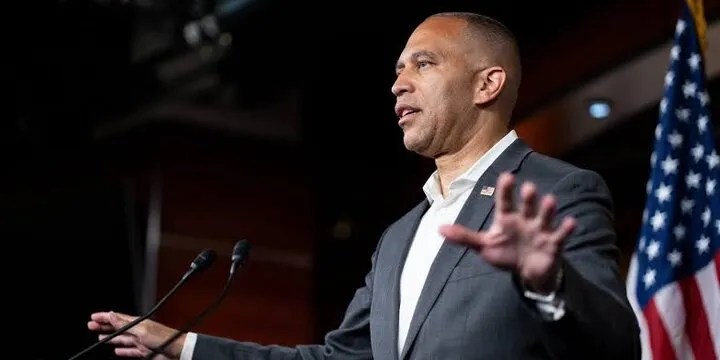
The result was a decisive, if not entirely unanimous, mandate. Hakeem Jeffries, the New York representative who has led House Democrats since 2023, secured the nomination. In a secret ballot that reflected both his strength and the internal currents of his party, Jeffries received 251 votes. Only 11 members cast ballots against him. While the margin was wide, the 11 dissenting votes serve as a reminder that even within a unified majority, the path to leadership is rarely without friction.
For Jeffries, the nomination is more than a procedural victory; it is a moment of profound historical weight. If he is formally elected by the full House on January 3, he will become the first Black lawmaker to serve as Speaker of the House. The significance of this milestone is not lost on his colleagues. Following the news, former Speaker Nancy Pelosi offered her support, addressing him as "Speaker-designate Hakeem Jeffries."
These incoming progressives are not interested in quiet consensus; they are focused on the specific mandates they believe their constituents handed them.
Jeffries himself met the moment with a call to action, telling his colleagues, "Thank you House Democrats. Together, we will deliver bold change. And make a big difference in the lives of the American people!"

House Democrats nominate Hakeem Jeffries as their new leader. He's poised to become the first Black speaker in US history. https://t.co/5hgUna5EZK https://t.co/MIlRpR2yVN
The momentum behind Jeffries' nomination is fueled by the results of the recent midterm elections. In a move described as a rebuke of U.S. President Donald Trump and the Republican Party, voters ousted the GOP from control of the House. This shift has handed Democrats a more comfortable majority than they faced four years ago, with the party expected to hold at least 257 seats.
This mathematical advantage changes the calculus of leadership. Unlike previous eras where a slim majority required constant negotiation with internal holdouts to pass legislation, the Democrats now enter the next Congress with a firmer footing. This new majority is positioned to launch investigations into the Trump administration, signaling a shift from the defensive posture of the minority to an assertive role in oversight.
However, the comfort of a larger majority does not equate to total ideological harmony. While Jeffries ran largely uncontested, the edges of the Democratic coalition are vibrating with tension. A segment of the party's left flank—including newly elected members backed by the Democratic Socialists of America—has voiced reservations about the party's trajectory.
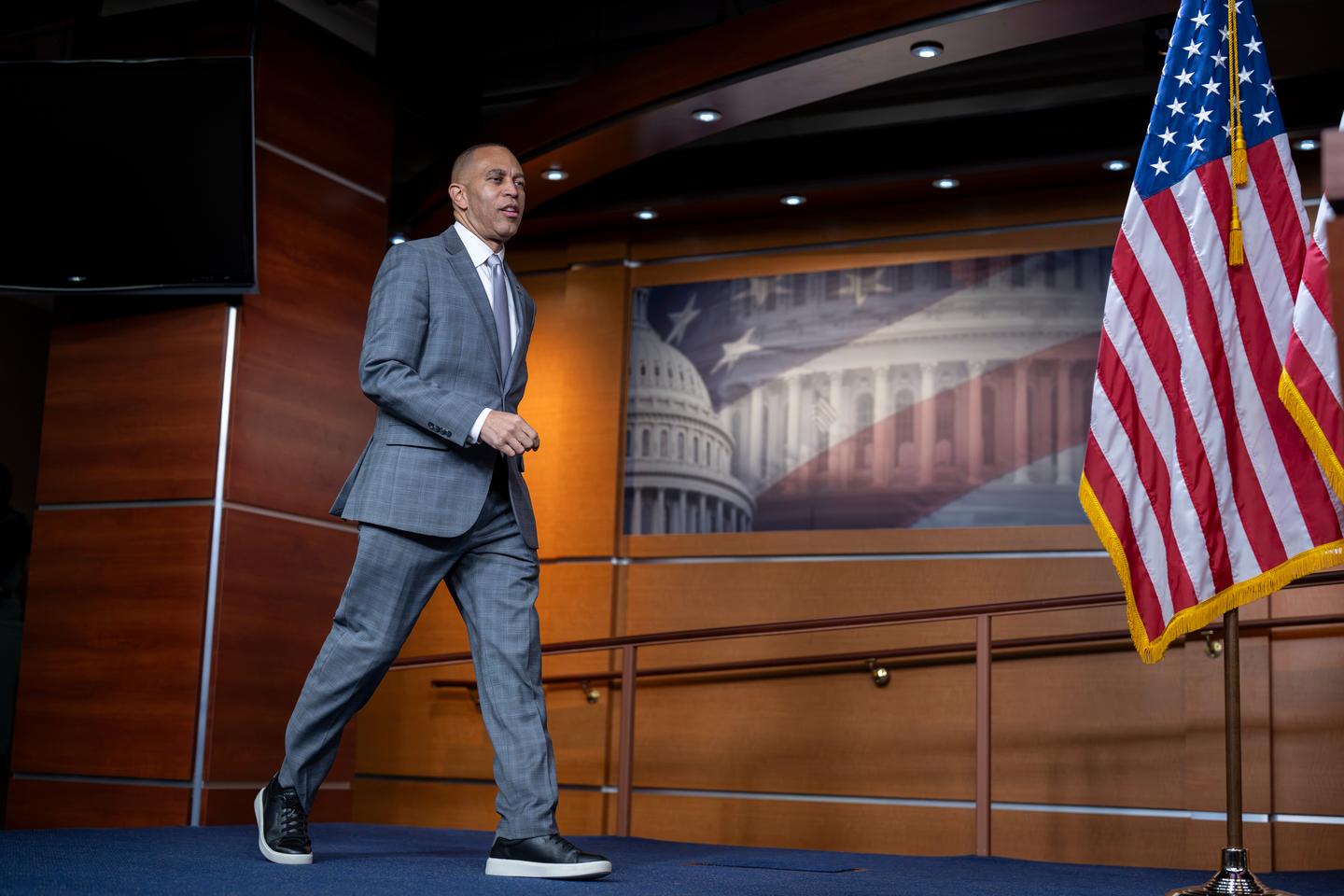
These incoming progressives are not interested in quiet consensus; they are focused on the specific mandates they believe their constituents handed them. "Whether on Medicare for All, stopping ICE terror, getting money out of politics, or ending the genocide in Gaza, our constituents sent us to Congress with a mandate on these issues," they argued. They contend that while progress has been made, the direction of the party must more closely reflect these demands.
Jeffries, aware of the scrutiny, has signaled a willingness to engage with these internal pressures. "I embrace those conversations," he noted, acknowledging that the dialogue between the leadership and the progressive wing is an ongoing necessity.
As the Democrats consolidate their leadership, the Republican Party has moved to organize its own response. On November 11, 2026, House Republicans selected Jim Jordan of Ohio to serve as their conference minority leader. This move sets the stage for a highly structured confrontation in the coming year.
While the Democrats prepare to take the gavel, the Republican leadership structure is also seeing shifts in the Senate, where John Thune has been selected for a second term as Senate leader. The landscape of the 118th Congress is being drawn in sharp lines, with the two parties preparing for a legislative battle that will begin in earnest the moment the new session starts.
Despite the internal nomination, Jeffries' path to the Speaker's rostrum is not yet complete. The closed-door vote was merely the first step. To officially claim the gavel, he must secure at least 218 votes on the House floor during the formal election scheduled for January 3, 2027.
With a projected majority of at least 257 seats, the math appears to be in his favor. The Democratic leadership team is also rounding out, with Massachusetts Representative Katherine Clark set to serve as the female majority leader. As the transition period unfolds, the focus will shift from the internal politics of the caucus to the public-facing battle of the House floor, where the new majority will attempt to translate their electoral victory into a governing reality.

Congresswoman-elect AGT on the nomination of Hakeem Jeffries for Speaker: "I voted NO today, keeping my community and the trust they instilled in me in mind." https://t.co/Yh1Ka8zKLY