The calendar marked a specific moment in time on November 8, 2026. It was not merely another day on the calendar but a designated occasion for national reflection. In London, the city where this history is most deeply rooted, the annual Remembrance Sunday commemoration took place. This event serves as a structured pause in the rhythm of daily life, allowing the nation to turn its attention inward toward those who have served or suffered in times of war.

At the center of this gathering stood King Charles III. His attendance was significant not just by virtue of his title, but by the nature of the duty he performed. He did not arrive as a spectator; he arrived to pay tribute. This act of paying tribute carries weight, signifying that the monarch acknowledges the sacrifices made by others. By being present, the King affirmed the continuity of the state's recognition of these contributions. His presence was neutral in tone, focused entirely on the solemnity of the occasion rather than personal political agenda.
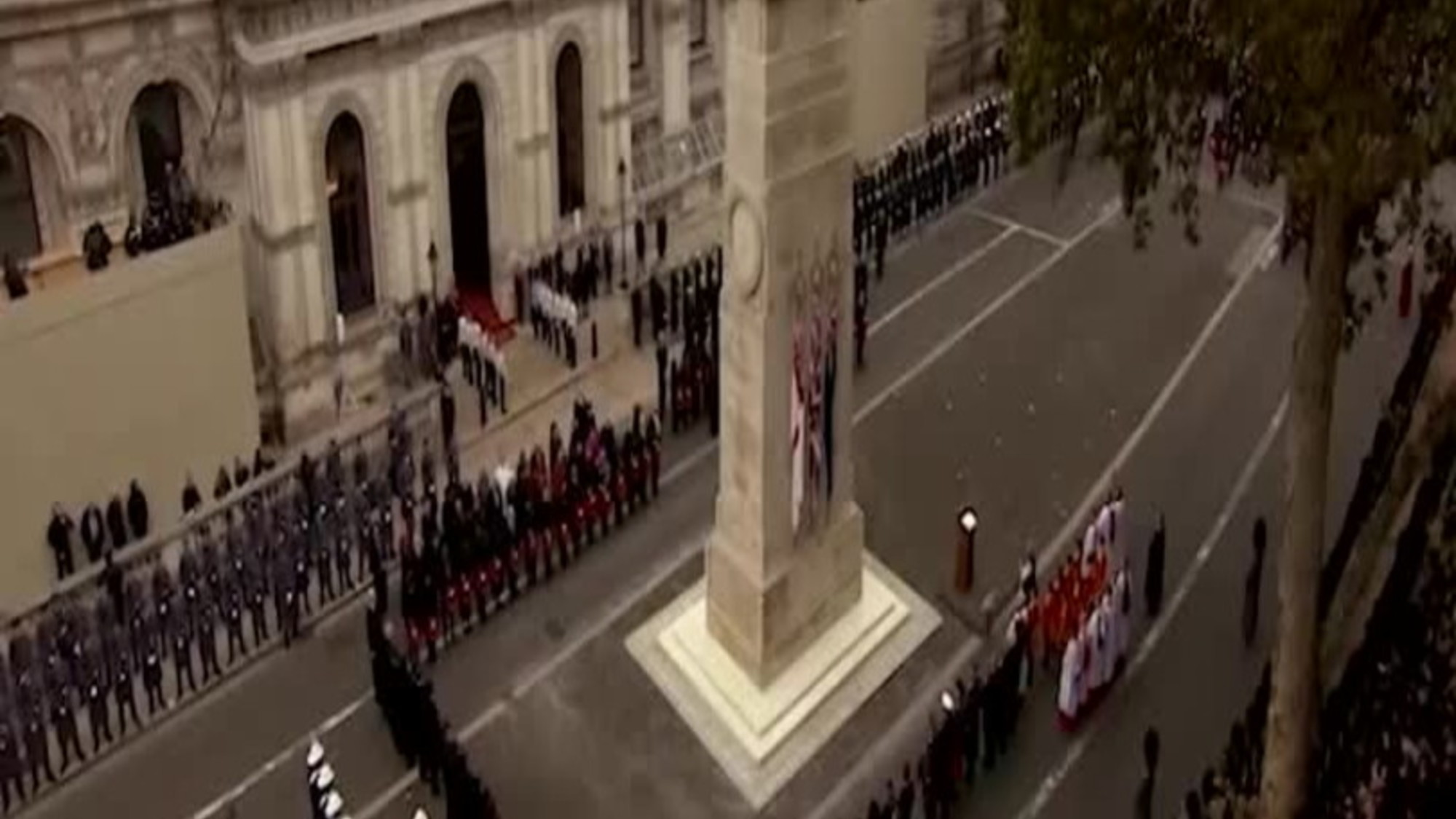
The ceremony was held at the Cenotaph war memorial in Whitehall. To understand the gravity of this location, one must consider what the Cenotaph represents. It stands as a physical monument dedicated to memory. Placed within Whitehall, it sits near the heart of government power, linking the memory of sacrifice directly to the administration of the country. The choice of this site ensures that the public can see the connection between the state's governance and its duty to remember. The architecture and placement are designed to be visible from the street, ensuring the message reaches all who pass by.
Remembrance Sunday honors the contributions of British military and civilians.
The ceremony included the participation of Prime Minister Andy Burnham. As the head of government, his presence underscores the official nature of the remembrance. Alongside him were former Prime Ministers and other members of the Royal Family. Their collective attendance creates a sense of shared responsibility. While each individual holds a different role, their joint presence reinforces the idea that remembering the dead is a civic obligation shared across generations. The group dynamic suggests that no single leader bears this burden alone, but rather that it rests upon the shoulders of the political community.
Remembrance Sunday honors the contributions of British military and civilians. This distinction is crucial because it expands the scope beyond combatants. Civilians are recognized alongside soldiers, acknowledging that the impact of conflict extends far beyond the battlefield. By honoring both groups, the commemoration validates the full experience of war on home soil. The tribute covers contributions during conflicts, framing the event as a continuous acknowledgment of service rather than a singular celebration of victory. This broad definition ensures that the memory remains inclusive of all who supported the nation.
Throughout the proceedings, the stance remained neutral. There was no attempt to assign blame or glory to specific factions. Instead, the focus was maintained on the contributions themselves. This neutrality allows the event to function as a unifying ritual rather than a platform for partisan debate. It respects the complexity of history by focusing on the human cost and the service rendered. The King, the Prime Minister, and the family members all adhered to this approach, ensuring the day remained about remembrance rather than politics.
As the events of November 8, 2026 concluded, the commemoration left a lasting impression on the participants. The standing of the nation is defined by how it chooses to honor its past. For now, the memory is preserved through the physical presence of the memorial and the continued participation of the leadership. The framework established by the ceremony sets the tone for future observances, ensuring that the commitment to remember remains active. The day serves as a reminder that while the specific conflicts may change, the duty to acknowledge them persists.