
Negotiations are underway in Brussels as Prime Minister Burnham works to finalize a comprehensive agreement covering food and agriculture exports, emissions trading, and a significant youth mobility scheme. However, the implementation of this broader deal is currently in jeopardy due to a contentious dispute over university fees. The central tension lies in the EU’s demand to reduce the fees for students from member states studying in the UK to domestic levels. This represents a dramatic drop from the current maximum annual fees of £38,000 to a proposed domestic undergraduate fee level of £9,970.
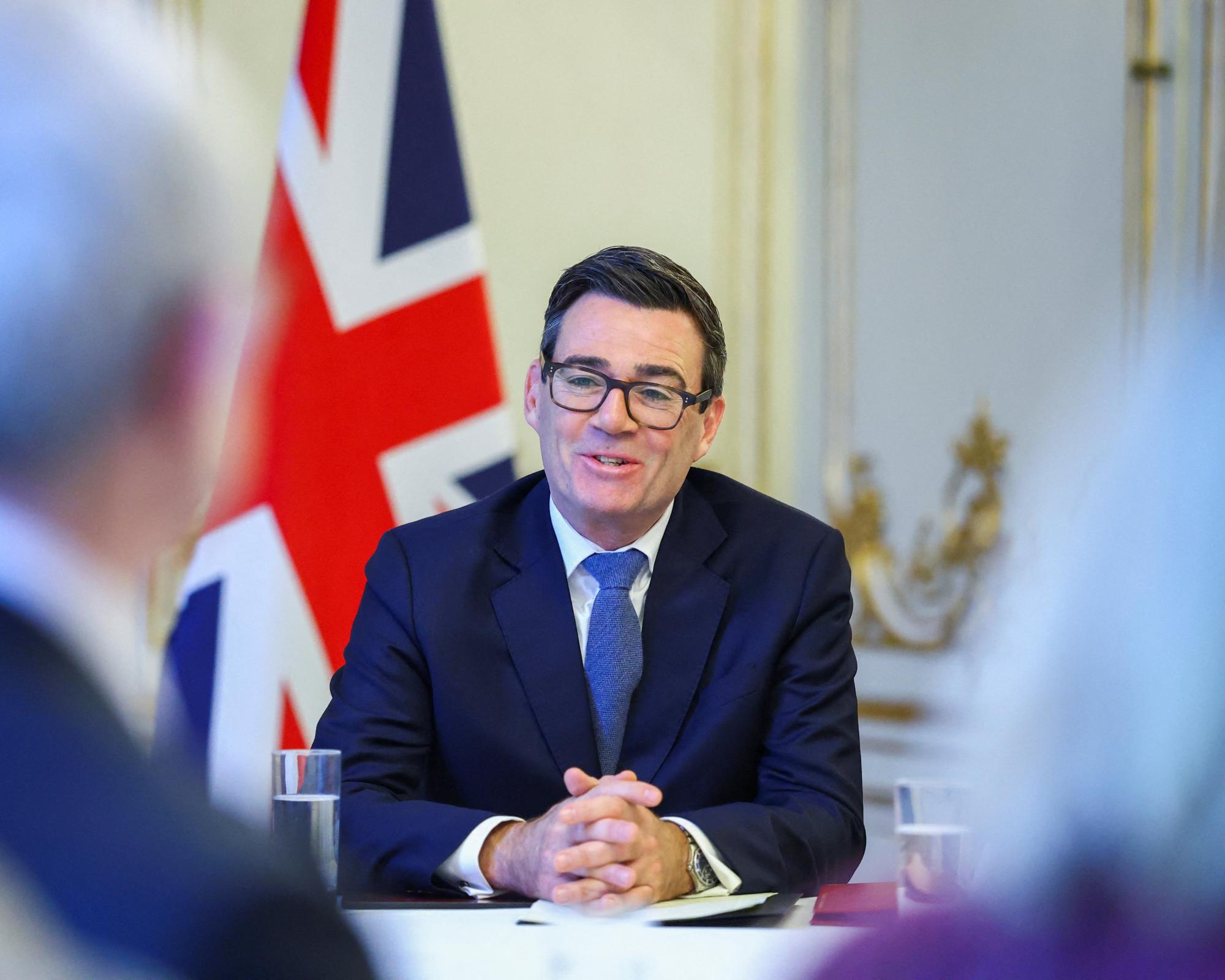
The dispute is a financial chasm that the UK government has resisted, citing severe financial impacts on universities. The EU has set a six-month deadline to resolve the fee issue, signaling that other deal elements may be blocked until a solution is found. An EU official stated that the agreements must "come into force in a balanced way." The stakes are high, as the entire architecture of the new partnership hinges on this specific financial calibration.
Proponents of the deal point to the massive economic dividends that stand to be unlocked if the standoff is resolved. The UK government claims that the food and agriculture component of the deal will add up to £5.1 billion a year to the economy. Beyond agriculture, linking the emissions trading regimes of the UK and the EU, officials claimed, could add a £3.8 billion annual boost to the economy. These numbers suggest that the potential for economic growth is substantial, provided the political and financial obstacles can be cleared. Burnham argues that the partnership is fundamentally beneficial.
The mobility scheme is part of the broader economic partnership with the EU.

University fees row puts implementation of Burnham’s EU deal in jeopardy https://t.co/PYpHOsyntc https://t.co/eOF65MJdSZ
Among the benefits of the agreement is a youth mobility scheme allowing 100,000 young Europeans to temporarily work in the UK. This provision aims to support the UK's relationship with the EU. For the UK government, this demonstrates the practical benefits of the agreement. The mobility scheme is part of the broader economic partnership with the EU. The implementation of this scheme depends on resolving the fee dispute that currently affects the entire agreement.
Despite the economic logic, the deal has ignited debate within the UK. Critics allege that the agreement is a step toward rejoining the EU, noting that the current agreement avoids political union but deepens economic ties. Critics argue that Burnham is committing a betrayal by moving the country back toward the continent incrementally, stating: "That’s the betrayal that Burnham is committing today and he’s trying to do it incrementally, but it’s perfectly clear that this very soon becomes a debate about: do we rejoin or do we stay out?" They emphasize that "we don’t need to be in political union of any kind at all to do business and have good relations with our neighbours."

University fees row puts implementation of Burnham’s EU deal in jeopardy https://t.co/KkVr5T1BXe
The political calculus behind the deal is complex. Burnham’s defense rests on a simple metric: "The test for this summit is simple: does it make life better for people in Britain?" He points to the £5.1 billion in agricultural gains and the £3.8 billion in emissions trading benefits as direct evidence of improved livelihoods.
As the six-month deadline to resolve the fee issue ticks away, the pressure on Burnham’s administration intensifies. The UK government has resisted the fee reduction, but the EU’s leverage is significant. If the fee issue remains unresolved, the other elements of the deal—the agricultural exports, the emissions trading links, and the youth mobility scheme—remain uncertain. The broader deal's implementation depends on finding a resolution to this fee dispute.


University fees row puts implementation of Burnham’s EU deal in jeopardy https://t.co/EogfoZg5vF