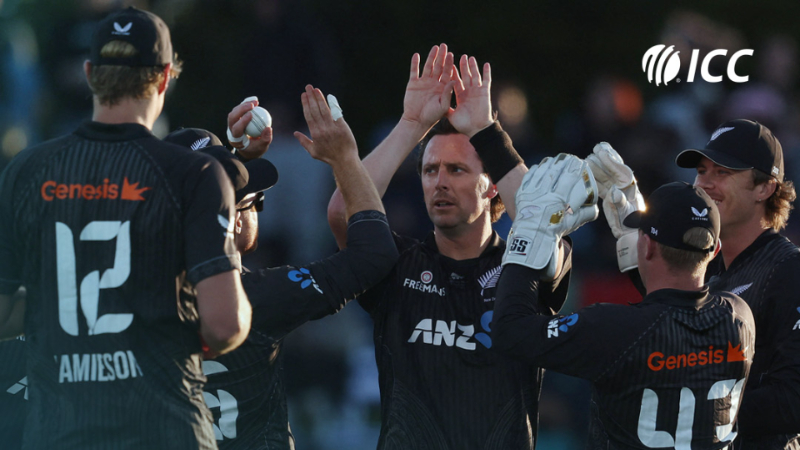
At the Bay Oval in Mount Maunganui, the atmosphere was already charged before the first ball was even delivered. New Zealand won the toss and elected to bat first, a decision that would set the tone for a dominant performance. The Kiwis faced a target that was not just a number but a statement, and they set about constructing it with intent. Will Young, the opening batsman, provided the foundation, guiding his team to a total of 333 runs. His century, a score of 125, anchored the innings and signaled early on that the hosts were playing with a freedom that their opponents would find difficult to match.
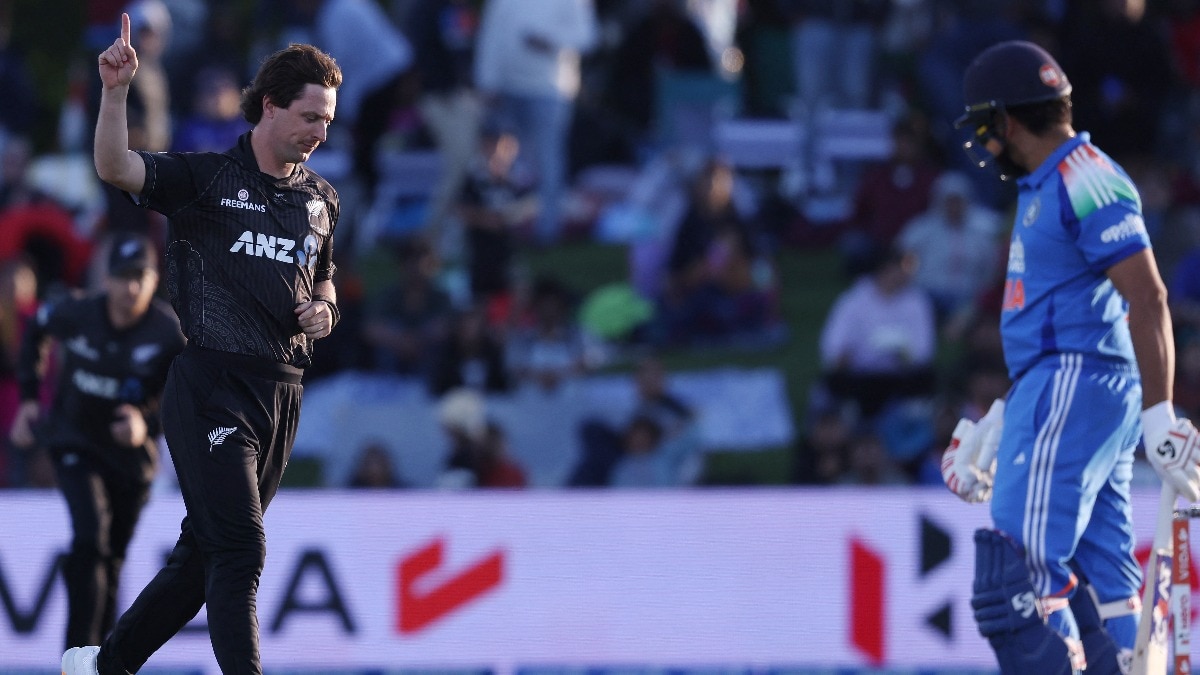
When India began their chase of 334, the expectation was one of resilience, perhaps even a counter-attack against the New Zealand pace. What unfolded in the very first over defied prediction and recorded a new, unwanted chapter in the team's history. India lost three wickets in the first over of the chase, a sequence of events that marked the worst-ever start for the team in One-Day International cricket. Rohit Sharma, Virat Kohli, and the captain were all dismissed without scoring a single run. The silence that followed was palpable, a stark contrast to the energy of the New Zealand innings. It was not just a loss of three key players; it was a complete dismantling of the top order in the space of a single bowl.

IND vs NZ 4th ODI Highlights: Rohit-Kohli ZERO, Team India की ऐतिहासिक बेइज्जती | State Mirror Hindi #INDvsNZ #INDvsNZ4thODI #TeamIndia #RohitSharma #ViratKohli #StateMirrorHindi IND vs NZ 4th ODI Highlights, India vs New Zealand, Rohit Sharma Duck https://t.co/7Tmq24VRrQ
The architect of this early collapse was Matt Henry, the star pacer who would go on to take the match with authority. His first over was a display of precision and intimidation, but it was merely the opening movement in a broader performance. Henry’s figures of six wickets for 27 runs stood as the central pillar of New Zealand’s victory. He did not just take wickets; he enforced a rhythm that left India’s batsmen perpetually on the back foot. The pressure he exerted from the very first delivery ensured that any attempt to rebuild was smothered before it could gain traction. For a team as experienced as India, facing such a relentless spell from a player of his caliber, the psychological weight was immense.
The chase of 334 had become a foregone conclusion long before the final wicket fell.
The damage from the first over compounded quickly. Ruturaj Gaikwad, who came in next, managed only five runs before he too fell, leaving India with four wickets down for just 9 runs. The innings was in shambles. While Ishan Kishan managed to score 27, and both Axar Patel and Naman Dhir contributed 21 runs each, their efforts were fleeting resistances in a river of momentum flowing the other way. The lower order, including Akeeb Nabi and Kuldeep Yadav, attempted to fight back, but the margin was too vast, and the wickets were too few. New Zealand’s bowlers, including Mathew Fisher who took three wickets and Kyle Jamieson who took one, maintained the pressure, ensuring that India could not find any sustained footing.

Ind vs NZ : India 89 All Out, NZ Clinch Stunning Win As Matt Henry Bags 6 | Shubhankar Mishra #timseifert #finnallen #rohitsharma #viratkohli #ishankishan #shreyasiyer https://t.co/J1kGpwL9h5
India’s innings was over after just 26.4 overs. They were bowled out for a mere 89 runs, a total that reflected the depth of the crisis. The chase of 334 had become a foregone conclusion long before the final wicket fell. New Zealand’s victory by 244 runs was not just a win; it was a demolition. This margin of defeat places the match among the most lopsided in recent international cricket.
The significance of this 244-run loss extends beyond the single match. It marks the second-largest margin of defeat for India in the history of One-Day International cricket. The only larger loss in the format’s history was a 245-run defeat to Sri Lanka in Sharjah in 2000. That this historic low has been reached in New Zealand, on the opponents’ home turf, adds a layer of narrative weight to the result. It is a moment that will be remembered not just for the score, but for the manner of the collapse.
With this comprehensive victory, New Zealand has taken a lead of 2-1 in the five-match series. The hosts are now poised to clinch the series in the final match, scheduled for November 15th. The psychological shift in the series is stark, with New Zealand having moved from a contested position to one of clear dominance. For India, the task of reversing the series in the final game requires not just a different approach, but a complete reorganization of their batting lineup and their ability to handle pressure from world-class pacers.

As the match concluded, the focus shifted to the broadcast coverage, with Sony Sports Network highlighting the live action and the dramatic turns of the day. The narrative of the match is already framed by the "triple-wicket maiden" of Matt Henry, a phrase that encapsulates the brutality of the first over. The team stands now with a critical deficit, the loss of three key wickets in one over, and a historic scorecard that will likely define this tour for years to come. The question for the final match is whether India can shed the shadow of this day and respond with the resilience their reputation demands.