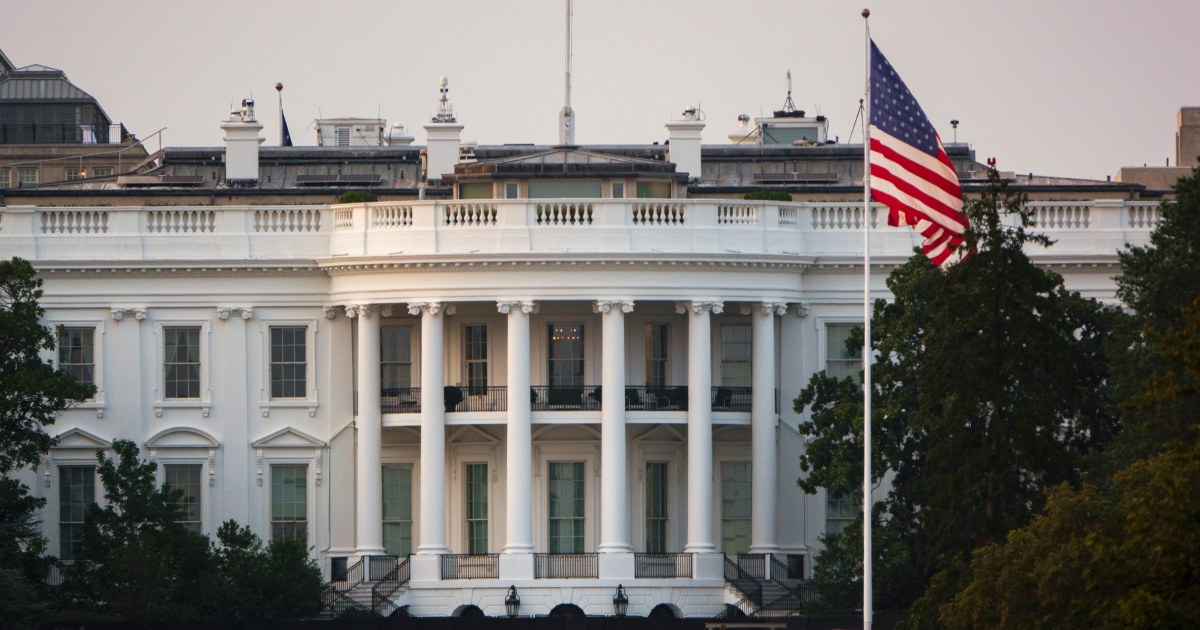
On the crisp morning of November 7, 2026, a Venezuelan man named Ronny Yordrix Guanipa Chrinos was apprehended by US Secret Service officers just a few blocks from the White House. The arrest came after a series of alarming events that had unfolded over the preceding months. Guanipa, an undocumented immigrant, had entered the United States through Texas in March 2024, and his journey to Washington, D.C., culminated in a tense encounter with law enforcement.
According to the Secret Service, Guanipa claimed that voices in his head had instructed him to travel to the nation's capital. This claim, while disturbing, was not entirely without precedent. Mental health issues have occasionally played a role in similar incidents, but the severity of the charges against Guanipa—specifically, the alleged intent to assassinate the President—made his case particularly concerning.

BREAKING: Armed Venezuelan Illegal Alien ARRESTED Near White House Following Plot to Assassinate President Trump The Secret Service has taken the suspect into custody. https://t.co/AbElGZ33Ww
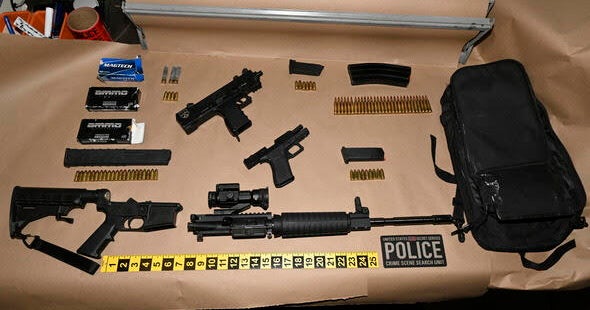
During the arrest, a thorough search of Guanipa's stolen vehicle revealed a disturbing discovery: three firearms and ammunition. The Secret Service officers, trained to handle such volatile situations, swiftly contained the threat, ensuring that no harm came to the President or the public. Sean Curran, a representative of the Secret Service, praised the officers' actions, stating, 'This is the latest example of Secret Service personnel relying on extensive training and experience to deescalate a volatile situation that posed an imminent threat to our protectees and other Americans.'
The statement reflected the broader sentiment among some lawmakers who view such incidents as a testament to the effectiveness of security measures.
Guanipa's background added another layer of complexity to the situation. His entry into the United States was unauthorized, and he had been living in the country without proper documentation. This background, combined with his alleged delusions, raised questions about the broader security measures in place for the nation's capital.
The incident received immediate attention from political figures. Senator Markwayne Mullin, a Republican from Oklahoma, quickly issued a statement praising the Secret Service officers. 'Thanks to our brave Secret Service officers, this illegal alien with three firearms in his vehicle was arrested near the White House before he could harm anyone,' Mullin said. The statement reflected the broader sentiment among some lawmakers who view such incidents as a testament to the effectiveness of security measures.
However, not all reactions were positive. Ronny Yordrix Guanipa Chrinos, the man accused of the threat, viewed the situation differently. He expressed his frustration and disbelief, stating, 'They took me because they heard voices in my head telling me to do it. They should have listened to me.' This perspective highlighted the ongoing debate about mental health and security in the United States, where the line between a potential threat and a mental health concern can often be blurred.
The arrest of Guanipa near the White House came at a time when security concerns in Washington, D.C., were already high. The city had seen an increase in incidents involving individuals with alleged extremist views, and the Secret Service had been under increased pressure to ensure the safety of the President and other government officials. The incident served as a stark reminder of the constant vigilance required to maintain security in such a sensitive area.
As the dust settled on the arrest of Ronny Yordrix Guanipa Chrinos, the incident underscored the ongoing challenges faced by security agencies in the United States. The arrest highlighted the importance of both robust security measures and the need for a nuanced approach to mental health and security concerns. The nation's capital remained on high alert, with the Secret Service and other law enforcement agencies working tirelessly to ensure the safety of the President and the public.